

How To Know If You Have a Tight Bra?
If you have ever ended the day with sore ribs or irritated shoulders, your bra may be the hidden culprit. Ill-fitting bras are surprisingly common.
A 2008 study revealed that 80% of women wear bras that do not fit properly, and 70% of them squeeze into bras that are too small. This often leads to pain, pressure, and circulation issues. Wearing a bra that is too tight around your ribs or cups can affect posture, breathing, and overall confidence.
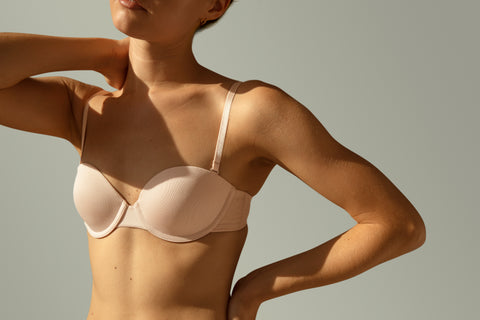
This guide breaks down the key signs your bra is too tight, explains why proper fit is essential, explores how different styles like push-up bras, minimizer bras, and wireless bras fit differently, and offers step-by-step solutions, including how to measure bra size yourself.
Key Signs Your Bra Is Too Tight

1. Breast Spillage
If your breasts spill out from the top or sides, your bra band or cups are too small. Cup overflow is uncomfortable and creates an uneven silhouette under clothes. For women with big boobs, a tight bra exaggerates this problem, often leaving painful marks.
2. Underwire Sitting on Breast Tissue
A bra underwire should sit flat against your ribcage, not press into breast tissue. If it rests directly on your breasts, your bra band is too tight around ribs, and the cup size may be too small. Over time, this can cause soreness and even skin damage.
3. Pain in Shoulders and Back
When the band is too tight, many women compensate by tightening straps for support. This leads to grooves on the shoulders, neck strain, and upper back pain. For fuller busts, the discomfort is magnified since more weight is poorly distributed.
4. Constant Adjustments
If you are tugging at straps or loosening hooks throughout the day, your bra is fighting against your body. A well fitted bra should stay in place comfortably without constant fixing.
5. Breathing Trouble
Research on sports bras showed that when a bra is too tight, it restricts breathing and forces shallower breaths with more breaths per minute. This highlights how damaging a tight bra can be beyond aesthetics, affecting both comfort and performance.
Why the Right Fit Matters
How Should a Bra Fit?
A well fitted bra should feel snug but not suffocating. The band provides most of the support, while straps and cups guide the bust. If the bra band is too tight, it digs into ribs, leaves red marks, or restricts airflow.
Long-Term Problems of Tight Bras
-
Poor posture caused by uneven weight distribution
-
Shoulder and rib cage pain
-
Skin chafing and rashes
-
Reduced confidence in how clothes fit
Correct fit not only prevents discomfort but also enhances body alignment, making daily wear feel effortless.
Tight Bras and Different Bust Sizes

Small Busts
For smaller busts, a too-tight bra can flatten the chest instead of enhancing shape. Push-up bras or padded bras may worsen discomfort if bought in the wrong size, even though they can boost confidence when properly fitted.
Fuller Busts
Big boobs in tight bras face amplified problems: shoulder strain, painful band marks, and constant spillage. Many women turn to minimizer bras for relief, but if the band is too snug, they still suffer. Choosing bras with wide bands and reinforced straps prevents these issues.
Bra Styles and Their Role in Tightness

Push Up Bras
These are designed to lift and enhance cleavage, but when too tight, they cause major discomfort. While the benefits of padded bras include shape and modesty, padding should never force extra compression.
Minimizer Bras
Ideal for big boobs, minimizer bras redistribute breast tissue for a smaller bust appearance. However, women sometimes size down incorrectly, making the bra too tight around the ribs and losing the intended comfort.
Wireless Bras
Wireless bras offer flexibility and comfort. Still, if the band is too tight, they can dig into skin. Wireless options are excellent for casual wear but require correct sizing.
Sports Bras
Meant to compress and control movement, sports bras can be problematic when too tight. They restrict breathing and circulation, especially during high activity. Look for breathable fabrics and adjustable closures for better comfort.
How to Measure Bra Size Yourself

Many women rely on trial and error instead of accurate sizing. To measure bra size yourself at home:
-
Band Size: Measure snugly under your bust and round to the nearest even number.
-
Bust Size: Measure around the fullest part of your chest.
-
Cup Size: Subtract band from bust. Each inch difference equals one cup size (A, B, C, etc).
Repeat measurements while standing and leaning slightly forward to account for shape changes. This reduces the chances of ending up with a bra band too tight or cups that dig in.
Fixes for a Too-Tight Bra
If you already own bras that feel restrictive, here are quick fixes:
-
Use a bra extender to add length to bands.
-
Loosen straps to prevent digging.
-
Switch styles, for example wireless bras for comfort or minimizer bras for fuller busts.
-
Buy new bras if the current ones are consistently painful.
Benefits of a Properly Fitted Bra
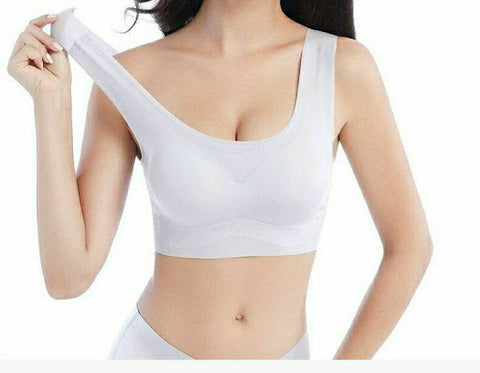
When you solve the problem of a bra too tight around ribs, you will notice:
-
Improved posture and reduced pain
-
Better looking outfits with no bulges
-
Confidence boost from bras that support instead of squeeze
-
Longer-lasting bras since the elastic is not overstressed
The benefits of padded bras and push up styles are only realized when they fit properly, enhancing shape without cutting off circulation.
Frequently Asked Questions (FAQs)
1. How should a bra fit to avoid being too tight?
A bra should feel snug but comfortable. The band should sit flat around your ribcage without digging in, the cups should fully contain your breasts without spillage, and the straps should stay in place without cutting into your shoulders.
2. What are the health risks of wearing a bra that is too tight around the ribs?
Wearing a bra that is too tight around the ribs can cause skin irritation, restricted breathing, shoulder pain, and poor posture. Long-term use may also contribute to back discomfort and shallow breathing patterns.
3. Can push up bras or padded bras cause discomfort if too tight?
Yes. Push up bras and padded bras enhance shape and cleavage, but if purchased in the wrong size, they can create excessive pressure on the bust and ribs. The benefits of padded bras are only enjoyed when the fit is correct.
4. What is the best type of bra for women with big boobs who feel their bra is too tight?
Women with fuller busts often benefit from minimizer bras or wireless bras with wide bands and strong straps. These distribute weight evenly and prevent tightness around the ribs, offering more comfort and long-term support.
5. How can I measure bra size myself at home?
To measure bra size yourself, measure snugly under your bust for your band size, then measure around the fullest part of your bust. Subtract the band measurement from the bust measurement to determine cup size. This helps prevent ending up with a bra that is too tight or too loose.
Conclusion: Comfort is Non-Negotiable
Tight bras are not just a nuisance; they are a health concern. From spillage to rib pain, the signs your bra is too tight are easy to spot once you know what to look for. Considering that most women wear the wrong size, it is worth taking time to measure bra size yourself and experiment with different styles, from push up to minimizer to wireless bras.
Your bra should work for you, not against you. If your current ones feel restrictive, it is time for a change. The right fit will improve not just comfort but also posture, breathing, and daily confidence.