

The Bridal Lingerie Mistake Pakistani Brides Keep Making
You spend months planning your bridal look, but you still make one small mistake that can ruin your comfort on the big day.
You focus on lace, color, or what looks “bridal,” and ignore how it actually feels under a heavy lehenga or saree. By the time the events start, you deal with slipping straps, sweat, and constant adjusting.
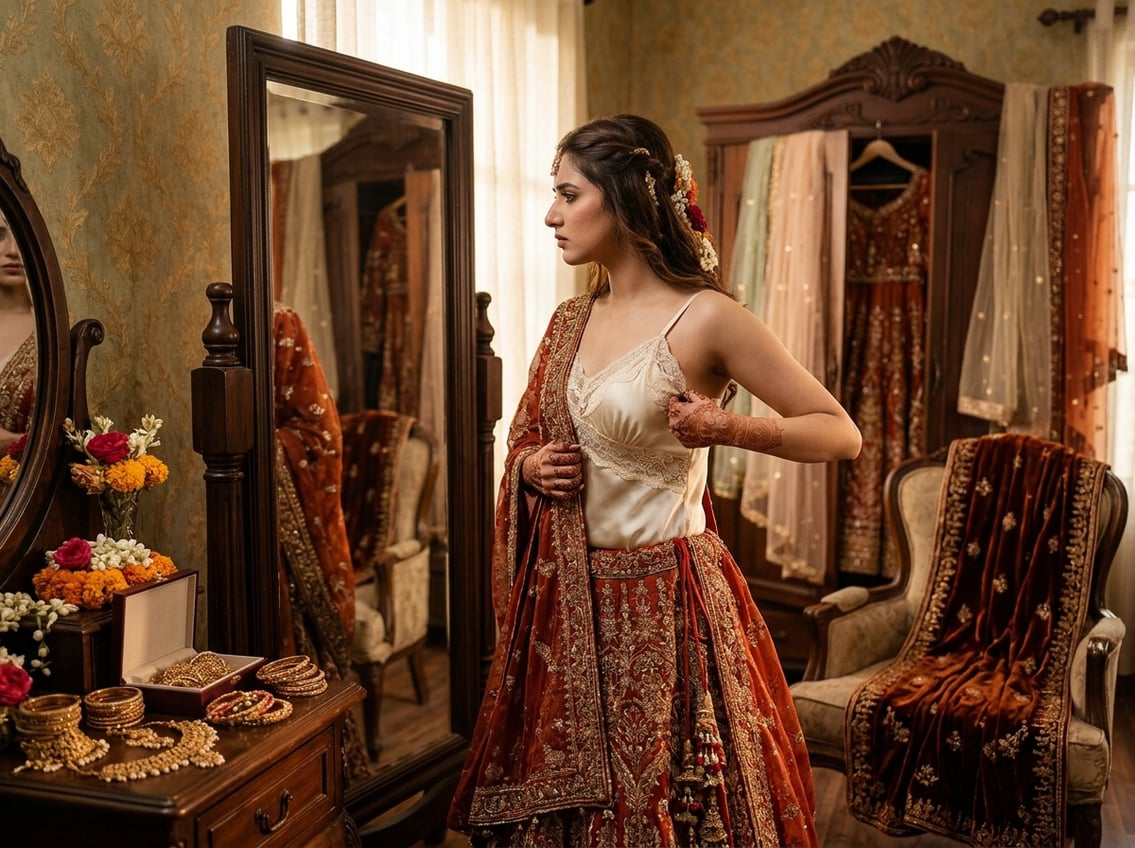
The biggest mistake you keep making is choosing bridal lingerie for looks instead of fit, grip, and breathability under traditional outfits. Pretty details mean nothing when your bra shifts under your dupatta or digs into your skin during long wedding functions.
If you want to stay confident from the nikkah to the rukhsati, you need to think beyond “modest” advice and designer labels.
You need pieces that handle heat, layers, pins, and long hours without fuss. Keep going, and you’ll see exactly what to choose instead and how to match it with your full bridal look.
Why "Modest Bra" Advice Misses the Actual Problem
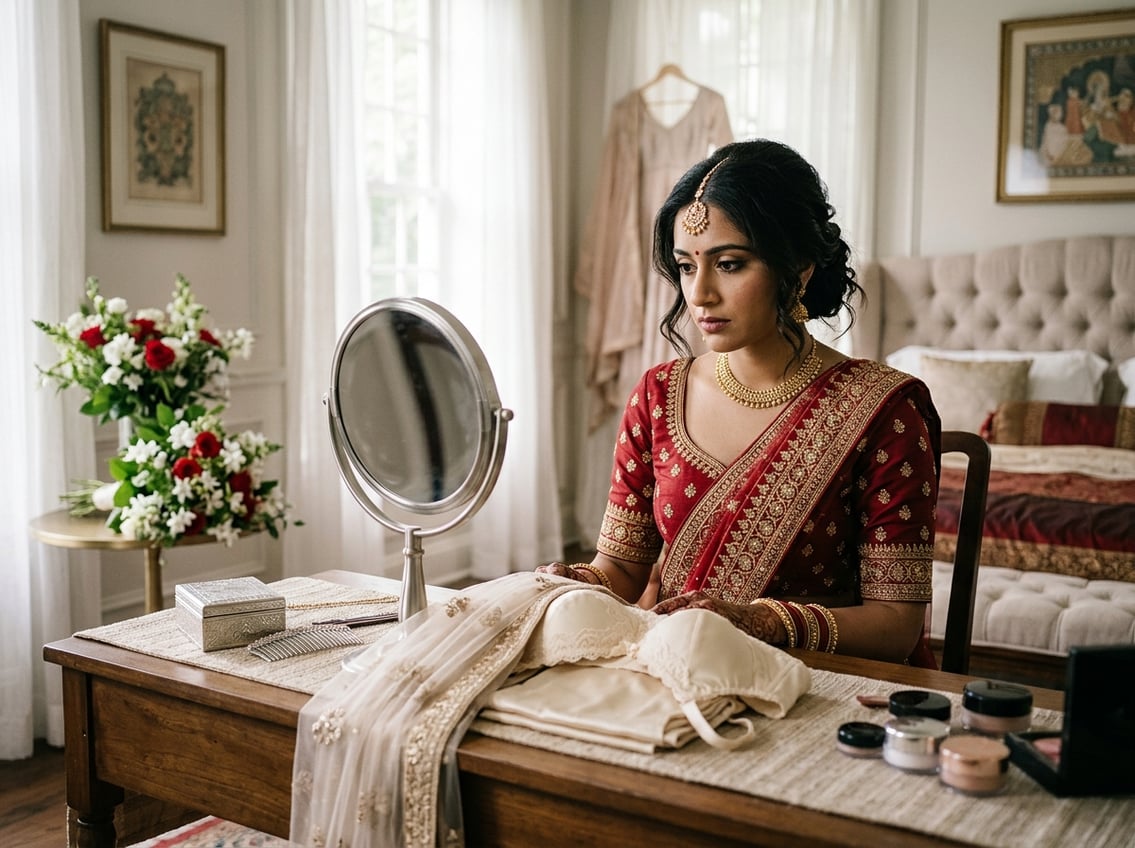
When you shop for bridal lingerie in Pakistan, people often tell you to just buy a modest bra. They say it will solve everything. It won't.
The real issue is not modesty. The real issue is fit, support, and compatibility with your outfit. And the problem usually starts before you even get to the shop. A University of Portsmouth study found that the traditional bra-fitting method itself overestimates band size in 76% of women and underestimates cup size in 84%, meaning most sizing advice is skewed wrong from the very first measurement.
A modest bra can still:
- Dig into your shoulders
- Show lines under your dress
- Sit too high or too low under heavy embroidery
- Offer the wrong cup shape for your blouse
You can wear the most covered bra and still feel uncomfortable all day.
Many brides also get pushed toward fancy bras that look pretty but ignore structure. Lace, bows, and extra straps may look bridal. But if the bra does not support your bust or match your neckline, it becomes a problem.
Some online reviews talk about comfort as the main selling point, like certain 3D or lightly lined bras. Comfort matters, but comfort alone is not enough for a heavy lehenga or dupatta. You need stability.
Here’s what actually matters more than “modest”:
| What You’re Told | What You Actually Need |
|---|---|
| Full coverage | Correct cup size |
| High neckline | Right bra shape |
| Thick padding | Proper band support |
If you focus only on coverage, you ignore the structure under your outfit. And that’s where most bridal mistakes begin.
The Real Issues: Strap Slippage, Heat, and Pin Snags
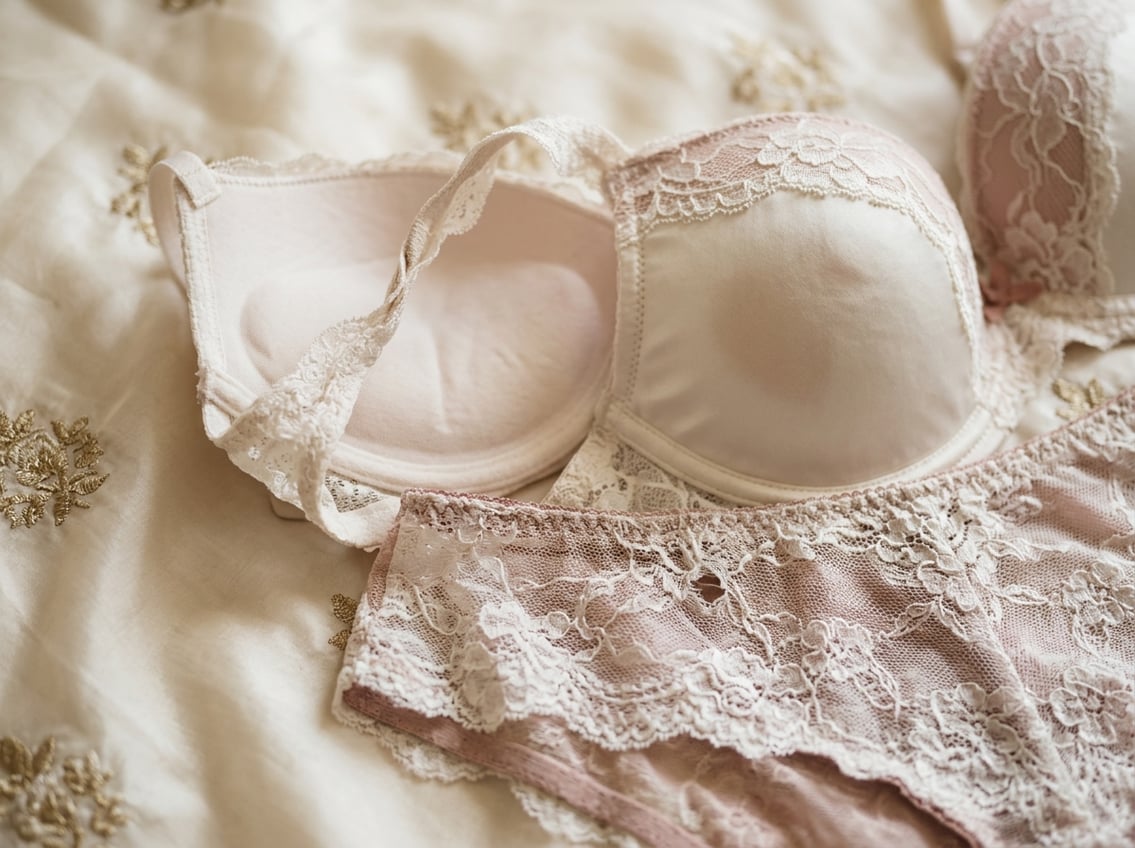
Most bridal lingerie problems show up after you get dressed, not during the fitting. You notice slipping straps, trapped heat, or tiny fabric pulls caused by safety pins and heavy dupattas.
Common Strap Slippage Scenarios
Strap slippage often starts with the wrong fit, not weak straps. If your band is loose, your straps carry too much weight and slide off your shoulders.
This happens a lot under lehenga cholis, maxis, and bridal gowns with wide or low necklines. Smooth fabrics like satin also let straps move more easily.
You may notice slippage when you:
- Raise your arms for photos
- Hug guests
- Adjust your dupatta
- Sit for long periods
If you are wearing maternity lingerie, the issue can get worse. Your bust size may change during pregnancy, and straps that fit last month may feel loose or dig in now.
To reduce strap slippage:
- Choose a snug band; it should not ride up
- Look for bras with wider or textured straps
- Use strap holders or hidden loops inside your blouse
- Avoid over-tightening straps, which causes red marks
A stable base layer keeps your posture straight and your neckline in place.
Dealing With Heat and Breathability
Pakistani weddings often mean heavy clothes, bright lights, and long events. Heat builds up fast under layers of fabric.
Synthetic lingerie traps sweat. This leads to itching, rashes, and visible damp patches under your blouse.
Choose breathable fabrics like cotton blends or moisture-wicking materials. Light padding works better than thick foam in hot weather.
If your event runs all day, consider:
- Seamless bras with mesh panels
- Lightweight shapewear instead of tight corsets
- Extra liners or absorbent bra pads
Maternity lingerie should stretch but also allow airflow. Tight elastic around your ribs can feel worse in the heat and make you uncomfortable during long ceremonies.
When your lingerie breathes, you move more freely and feel less distracted.
Pin Snags and Under-Scarf Struggles
Safety pins hold dupattas in place, but they also cause pin snags. Lace, net, and delicate embroidery tear easily when a pin shifts.
You may notice small pulls near your shoulders or neckline after the event. These often start where the dupatta rubs against your bra strap.
Common problem areas include:
| Area | Why It Snags |
|---|---|
| Shoulder | Dupatta pins press into straps |
| Side seam | Blouse and bra rub together |
| Under scarf | Hidden pins catch lace |
To reduce damage:
- Avoid very delicate lace under heavy dupattas
- Place pins through blouse fabric, not your bra
- Use fewer pins and secure them tightly
Under-scarf pressure can also push straps out of place, causing more strap slippage. A smooth, sturdy bra fabric handles friction better than thin lace.
Strong but comfortable lingerie protects your outfit and keeps your focus on the event, not your straps.
What to Look for Instead (Grip Straps, Breathable Fabric, Smooth Seams)
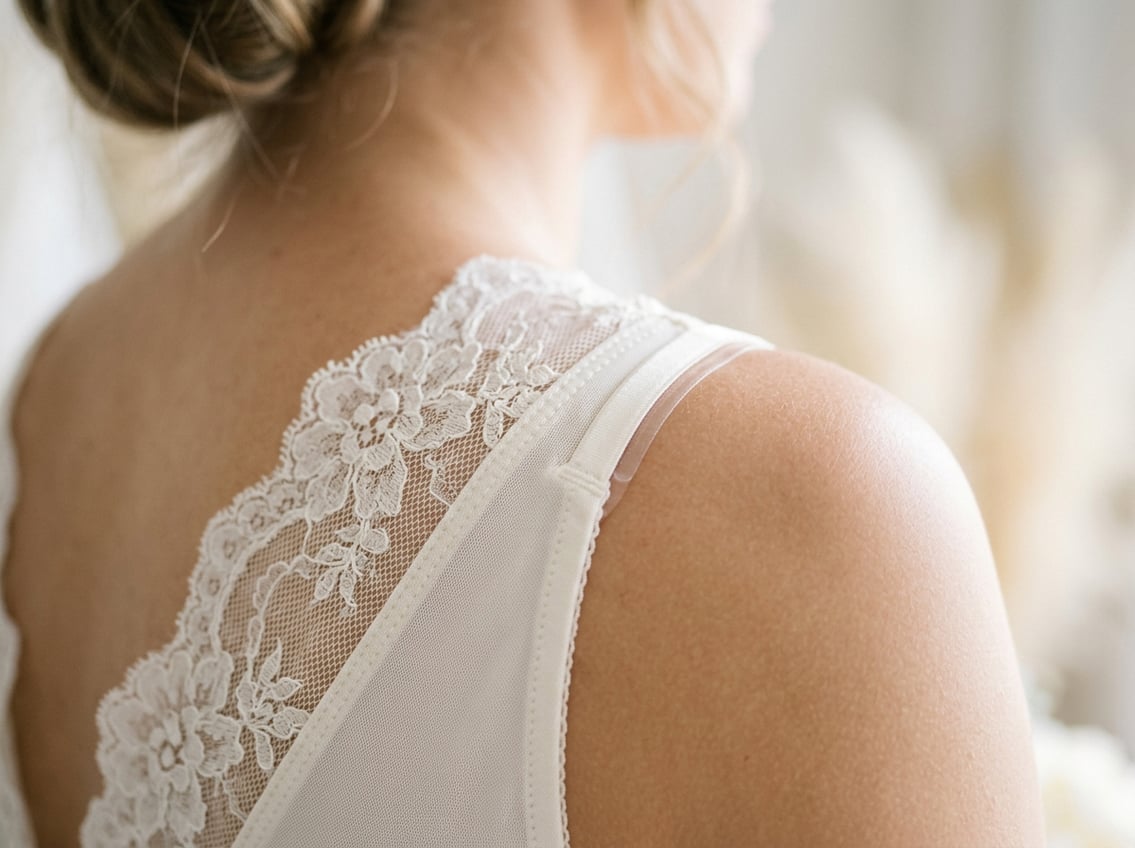
You need lingerie that stays in place, feels cool, and stays invisible under heavy bridal clothes. Focus on grip straps, breathable fabric, and smooth seams that work well with common Pakistani fabrics like lawn, silk, chiffon, and velvet.
Grip Straps for Extra Security
Your dupatta, lehenga, and jewelry already add weight to your outfit. The last thing you need is a bra strap that keeps slipping.
Look for grip straps with silicone lining on the inside. These hold onto your skin without digging in. They work well for sleeveless blouses, wide necklines, and heavy embroidered shirts.
If you plan to wear a strapless or off-shoulder blouse, check for:
- Silicone grip along the top band
- A wide underband for support
- Side boning for structure
This matters even more under silk or chiffon, where any shift shows quickly. Good grip straps reduce constant adjusting, so you can focus on your event instead of your outfit.
Choosing Breathable Fabrics
Pakistani weddings often last for hours, sometimes in warm weather. Heavy lehengas and layered outfits trap heat fast.
Choose breathable fabric like cotton blends, stretch lace with lining, or moisture-wicking microfiber. These allow air to pass through and help absorb sweat. Pure synthetic fabrics can feel sticky and uncomfortable, especially in summer or crowded halls.
For different Pakistani fabrics, match wisely:
- Lawn or cotton outfits: Light cotton-blend bras and briefs
- Silk or satin: Thin, smooth microfiber
- Velvet: Supportive but breathable fabric to balance the heavy top layer
Always try your bridal lingerie with your actual dress fabric. What feels fine alone may feel too warm under velvet or multiple layers.
Importance of Smooth Seams
Embroidery, silk, and fitted blouses show every bump underneath. Thick seams and lace edges can create visible lines.
Choose lingerie with smooth seams or seamless edges. Flat stitching and laser-cut edges lie closer to your skin. This keeps your silhouette clean under sarees, lehengas, and gowns.
Check these details before buying:
- No raised stitching across the cups
- No bulky elastic on the sides
- Seamless or lightly bonded edges on briefs
Smooth seams matter most under silk and satin because these fabrics reflect light and highlight texture. When your base layer stays flat, your bridal outfit looks polished without extra effort.
Pairing Your Bra With Under-Scarves and Layering Pieces
Your bra does not sit alone. It works with your under-scarves, camisoles, slips, and other layering pieces to shape how your outfit looks and feels. If these layers fight each other, you get bulk, lines, and discomfort.
Matching for Comfort and Shape
Start with the fabric of your outfit. Many Pakistani bridal dresses use chiffon, net, silk, or jamawar. These fabrics fall differently, so your bra and under-scarves must support that shape.
If you wear a chiffon dupatta over your head, your under-scarf should sit flat. A thick, padded bra can push fabric upward and create a bump under the scarf. Choose a smooth, lightly padded or non-padded bra when your head covering is fitted.
For heavy lehengas or long maxis, balance the weight with proper support. A longline bra or well-fitted full-coverage bra can smooth your upper torso. Pair it with a breathable cotton or microfiber camisole if the fabric feels rough.
Focus on:
- Soft seams
- Stretchy but firm bands
- Breathable lining for long events
Comfort matters because you will wear this for hours.
Avoiding Bulking and Lines
Too many layering pieces can ruin the clean look of your outfit. Brides often wear a bra, camisole, shapewear, and a thick under-scarf without checking how they sit together.
Stand sideways in the mirror. Look for:
- Bra lines under thin silk or satin
- Seam marks across your back
- Extra folds near the waist
For lingerie for Pakistani fabrics like net and organza, choose seamless bras and smooth cups. Avoid heavy lace if your blouse is tight. Lace texture can show through light-colored cholis.
If you wear shapewear, make sure it does not overlap thick bra bands. Overlapping layers create visible ridges. Keep each piece slim and purpose-driven.
Less bulk gives you a cleaner shape and helps your dress fall the way it should.
A Practical Shortlist by Need (Daily Wear, Summer, Sports Hijab)
You need different lingerie for different days. The bra that works under a heavy bridal outfit will not always work for daily errands, hot summer weather, or active days in a sports hijab.
Best Picks for Everyday Comfort
For daily wear, focus on soft support and smooth lines.
Choose:
- Cotton or cotton-blend bras for breathability
- Lightly lined or non-padded cups for a natural shape
- Wide straps to reduce shoulder strain
- Seamless briefs to avoid visible lines
If you wear shalwar kameez or loose kurtas, a full-coverage bra keeps you secure when you bend or move. Avoid heavy padding for everyday use. It traps heat and can feel tight by evening.
If you are pregnant or newly married and planning for children, consider maternity lingerie early. Look for stretch cups, extra hook settings, and soft inner lining. These features adjust with body changes and prevent discomfort.
Comfort matters more than brand names. If you feel relief when you remove your bra at night, it is not the right fit.
Top Choices for Hot Weather
Pakistani summers are long and humid. Your lingerie must handle sweat.
Pick lightweight, moisture-absorbing fabrics like:
- Pure cotton
- Bamboo blends
- Microfiber made for hot climates
Skip thick foam padding in summer. It holds heat and can cause rashes under the bust. A non-padded, breathable bra keeps air moving.
Under a chiffon or lawn outfit, choose nude tones close to your skin shade. This prevents show-through in sunlight.
If you wear a hijab daily, heat builds faster around your upper body. A breathable bra helps balance that warmth. Change bras daily in summer to maintain hygiene and avoid skin irritation.
Support Options for Active Days
If you wear a sports hijab for walking, gym sessions, or busy wedding prep days, you need real support.
Look for:
- Medium to high-impact sports bras
- Wide underbands
- Compression or encapsulated cups
- Stretchy but firm fabric
Do not rely on your regular daily bra during workouts. It lacks the structure to reduce movement. This can lead to pain over time.
If you are pregnant, choose a low- to medium-impact maternity sports bra with flexible support. It should hold you in place without pressing too hard on sensitive tissue.
Active days demand stability. Your lingerie should move with you, not against you.
Difference in how you feel on your day.
Frequently Asked Questions
The right bridal lingerie should match your dress weight, color, and fit. You need support that stays hidden, feels comfortable for long hours, and works with heavy fabric and detailed embroidery.
How do I pick bridal lingerie that actually works under a heavily embroidered bridal dress?
Start with your dress, not the lingerie.
If your lehenga or gown has heavy zardozi, dabka, or layered embroidery, you need strong support. A well-fitted, full-coverage or longline bra often works better than a light bralette.
Bring your blouse to the fitting if possible. Check how the neckline, back, and sleeves sit so straps and seams stay hidden.
Choose smooth fabrics. Avoid lace or raised designs that can press against thick fabric and create bumps.
What lingerie colors won’t show through a red or deep-toned bridal outfit?
Match your lingerie to your skin tone, not your outfit.
For most brides, nude shades close to their skin blend better under red, maroon, or deep pink outfits. Bright white often shows through, even under heavy fabric.
If your blouse fabric is thin or lightly lined, test it in daylight. Place the bra underneath and check for shadowing before you decide.
How can I avoid visible bra lines and lumps under fitted wedding clothes?
Seamless bras and panties help reduce lines.
Look for smooth cups and flat edges. Avoid thick seams, heavy lace, and tight elastic that digs into your skin.
Get measured before you buy. A bra that is too small creates bulges at the sides and back, even under structured bridal blouses.
If your outfit is very fitted, try light smoothing shorts or a slip to create a cleaner base.
What’s the best way to handle lingerie shopping if I’m shy or buying it for the first time?
Plan so you do not rush.
Shop on a weekday when stores are less crowded. Ask for a female sales assistant if that makes you more comfortable.
Wear a simple outfit to try items on easily. Focus on fit and comfort, not just how it looks on the hanger.
If you prefer online shopping, check size charts carefully and review the return policy before you order.
Do I really need shapewear for my wedding, and how do I choose the right level of control?
You do not always need shapewear.
If your lehenga is flared and your blouse is structured, you may already have enough support. For fitted gowns or mermaid styles, light to medium control shapewear can smooth your waist and hips.
Avoid extra-firm pieces unless you have worn them before. Tight shapewear can feel restrictive during long wedding events.
Try sitting, walking, and raising your arms while wearing it. If you cannot move easily, choose a lighter option.
How do I make sure my lingerie is comfortable for a long Pakistani wedding day (and night)?
Your wedding day can last 10 to 14 hours or more.
Choose breathable fabrics like cotton blends or moisture-wicking materials, especially for summer weddings. Heavy layers and bright lights can make you sweat.
Break in your lingerie before the big day. Wear it at home for a few hours to check for itching, slipping straps, or tight bands.
Pack a small backup, like an extra pair of panties or fashion tape, in your bridal bag so you feel prepared.
Fit First, Embroidery Second
It is easy to be drawn to embroidery, lace, and embellishments when shopping for bridal lingerie, but fit should always come first. A beautifully embroidered piece that does not fit well can cause discomfort throughout a long wedding day, while a well-fitted piece keeps you comfortable and confident no matter how many hours you wear it.
Before you fall for the details, get properly measured and try different styles until you find the right fit. Once the foundation is right, you can enjoy the embroidery and design elements without worrying about comfort. Your bridal lingerie should support you as much as it beautifies you.