

Which Bra Type Is Best For Me? A Clear Guide to Finding Your Perfect Fit
Finding the right bra can feel confusing with so many styles staring back at you from the rack. Do you need a T-shirt bra, a balconette, a bralette, or something else entirely?
The best bra type for you is the one that matches your breast shape, fits your size correctly, and supports your daily activities and outfits.
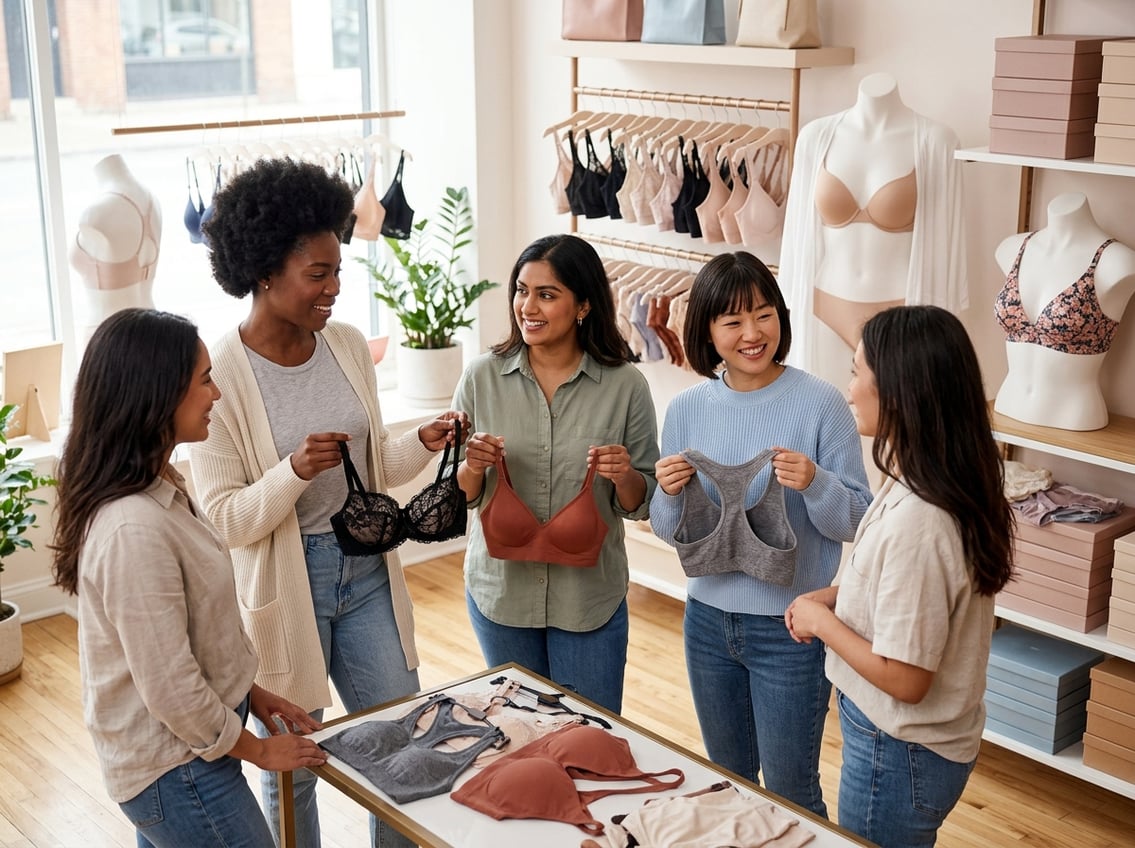
Once you get how different bra types work, you can actually shop with confidence. Some styles shape and lift, while others are all about comfort, flexibility, or those smooth lines under clothes.
Your ideal choice depends on how you want your clothes to fit and how much support you need. It’s not always obvious, right?
Understanding Bra Types and Their Uses
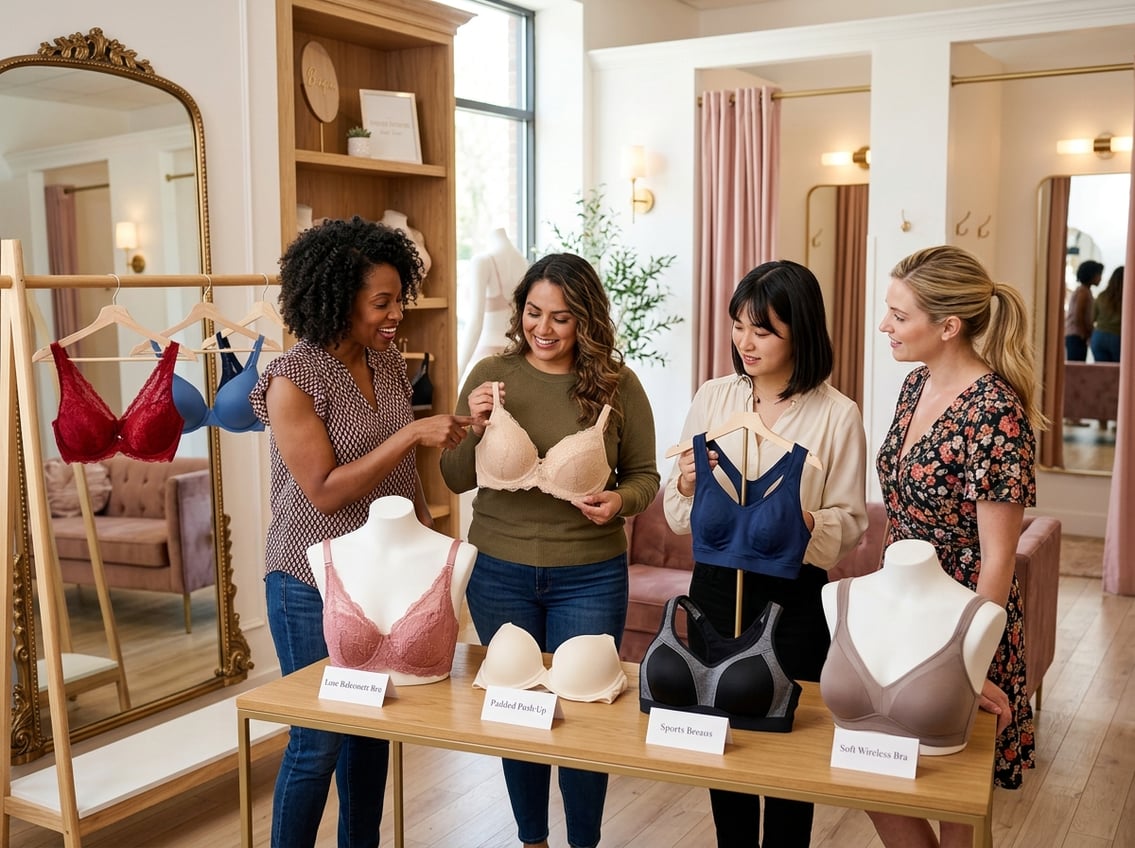
There are so many bra styles out there, and each one actually serves a pretty clear purpose. Support, coverage, shaping they all differ and can totally change how you feel in your clothes.
Overview of Different Types of Bras Explained
When you look at all the options, you’ll see bras vary in coverage, structure, and function. Some focus on comfort, others on shaping or lift.
Here are a few common bra types and what they’re good for:
- T-shirt bra: Smooth cups that stay invisible under thin tops.
- Push-up bra: Angled padding that lifts and enhances cleavage.
- Padded bra: Foam-lined cups that add shape and modesty.
- Sports bra: Firm support that reduces movement during exercise.
- Strapless bra: No shoulder straps; works under strapless outfits.
- Balconette or demi bra: Lower-cut cups that lift from below.
You’ll also run into plunge, bralette, minimizer, and full coverage styles. Each one solves a different problem: low necklines, bounce control, extra support, you name it.
Focus on what you need most: lift, comfort, shaping, or less movement. That’ll help you skip the overwhelm.
Push-Up vs Padded Bra Essentials
Push-up and padded bras get mixed up a lot, but they’re not the same thing at all.
A push-up bra uses angled padding at the bottom or sides of the cup. It pushes your breasts upward and inward, which gives you more lift and visible cleavage great for low-cut tops.
A padded bra just has foam lining throughout the cup. It doesn’t always lift; instead, it adds shape, smoothness, and coverage.
- Push-up: Enhances cleavage, adds lift, often dramatic shape.
- Padded: Adds volume evenly, creates a rounded look, improves modesty.
If you’re after a fuller look for a special outfit, push-up is your friend. For everyday shaping and coverage, padded bras usually feel more practical.
Minimizer Bra vs Full Coverage Bra
If you want more containment or a smoother outline, understanding minimizer bra vs full coverage bra is pretty handy.
A minimizer bra redistributes breast tissue across your chest. It can make your bust look up to a cup size smaller in clothing, which is a lifesaver under button-down shirts that like to gap.
A full coverage bra covers most or all of your breast tissue. It prevents spillage at the top or sides and offers strong support, especially good for larger cup sizes or fuller shapes.
- Minimizer: Visually reduces projection.
- Full coverage: Maximizes support and containment.
If you want to look a bit smaller in fitted clothes, try a minimizer. If you want secure support for daily wear, full coverage might be a better pick.
How to Choose the Right Fit and Style
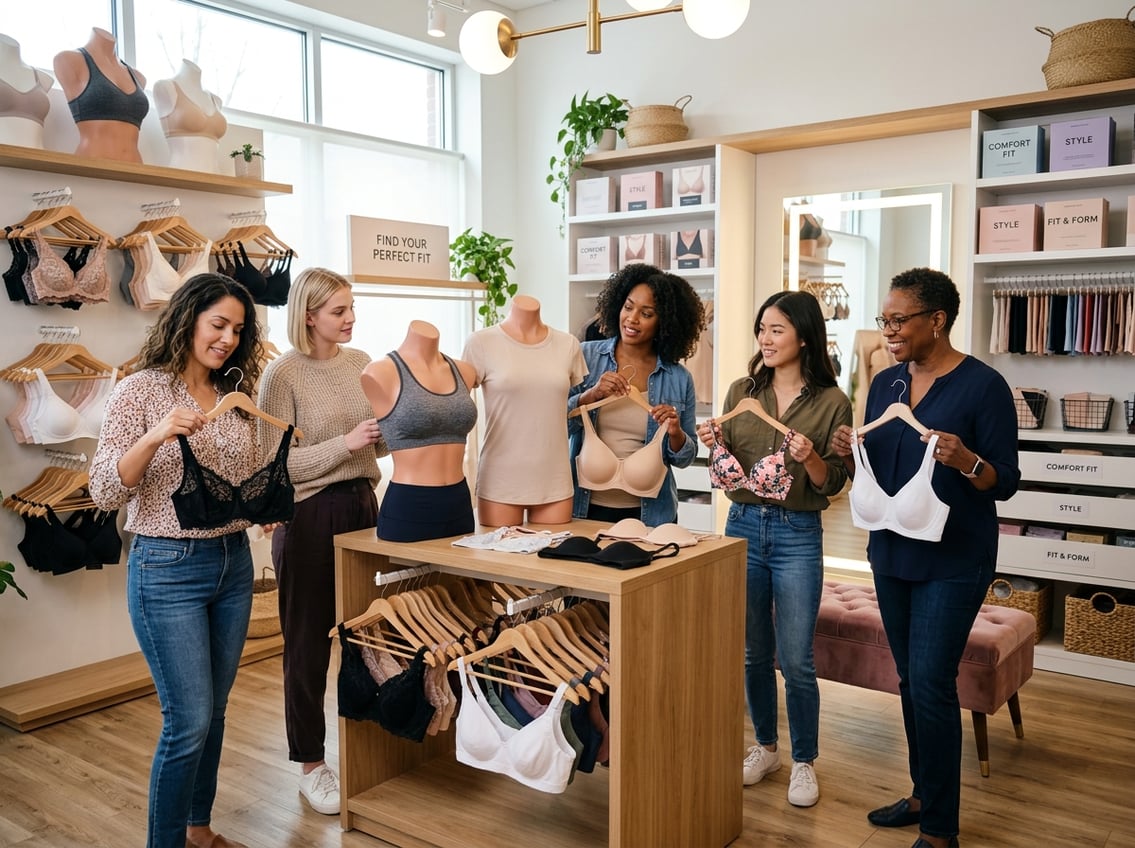
The right bra should fit your body, match your breast shape, and work for your daily needs. If you focus on size, shape, and support level, you’ll make better choices and dodge the usual fit headaches.
Find Your Perfect Fit
Start with your size. So many women wear the wrong one. Measuring at home with a soft tape is a game-changer.
- Measure your band size around your ribcage, just under your bust.
- Measure your bust at the fullest point.
- Subtract the band from the bust to estimate your cup size.
A good fit feels firm but not tight. Your band should sit straight across your back and stay put when you lift your arms.
The straps shouldn’t dig into your shoulders. Check the cups: your breasts should fill them without spilling over or leaving gaps.
The center panel should rest flat against your chest. If the bra rides up, your band’s too loose. If the wires poke or pinch, try a different size or maybe a wire-free style.
Comfort and support matter more than the number on the tag. And honestly, sometimes you have to try a few before you get it right.
How to Pick a Bra for Your Breast Shape
Size alone doesn’t guarantee a good fit. Your breast shape makes a big difference in how a bra sits and looks.
Common shapes include:
- Full on top – more volume above the nipple
- Full on bottom – more volume below the nipple
- Round – even fullness
- Athletic or shallow – less projection
- Teardrop – slightly fuller at the bottom
If you’re full on top, bras with stretch lace or a higher cup help prevent spillage. Full on the bottom? Balconette or demi styles can lift and shape without gapping.
Shallow breasts usually fit better in lightly lined or plunge bras. Round shapes? You’re lucky most styles work, including T-shirt bras.
Learning how to pick a bra for your breast shape helps you avoid gaping, bulging, and discomfort. Shape guides are useful, but honestly, nothing beats trying a few on and seeing what feels right.
Bra Guide for Every Body Type
Your body frame matters too. A bra guide for every body type is really about balance and comfort.
If you’ve got a petite frame, try narrow straps and smaller bands that fit snugly. Bulky padding can be too much.
If you have a full bust, go for:
- Wider straps
- A strong band
- Full-coverage cups
- Underwire or structured support
If you’re plus-size, look for bras with reinforced sides and a wide back band. Those details improve stability and take pressure off your shoulders.
For athletic builds, soft bras or bralettes are comfy for daily wear. But for high-impact activities, a sports bra is essential to keep bounce in check.
Your lifestyle plays a role too. T-shirt bras are perfect under fitted tops, strapless bras for off-shoulder outfits, and a cotton wire-free bra is a relief on long days.
Bras account for 58.36% of total lingerie market revenue in 2025, and this is only expected to rise as brands expand size ranges and add features like moisture-wicking fabrics.
Bra Quiz for Body Type
If you’re not sure where to start, a bra quiz for body type can help. Most online tools ask about:
- Your current bra size
- Fit problems you notice
- Breast shape
- Body frame
- Preferred styles
Your answers help narrow down the options. A quiz can’t replace trying bras on, but it’s a decent starting point.
Once you get your quiz results, test the styles and check the fit in a mirror. Move your arms, sit, walk around see how it holds up.
Matching Bra Styles to Outfits
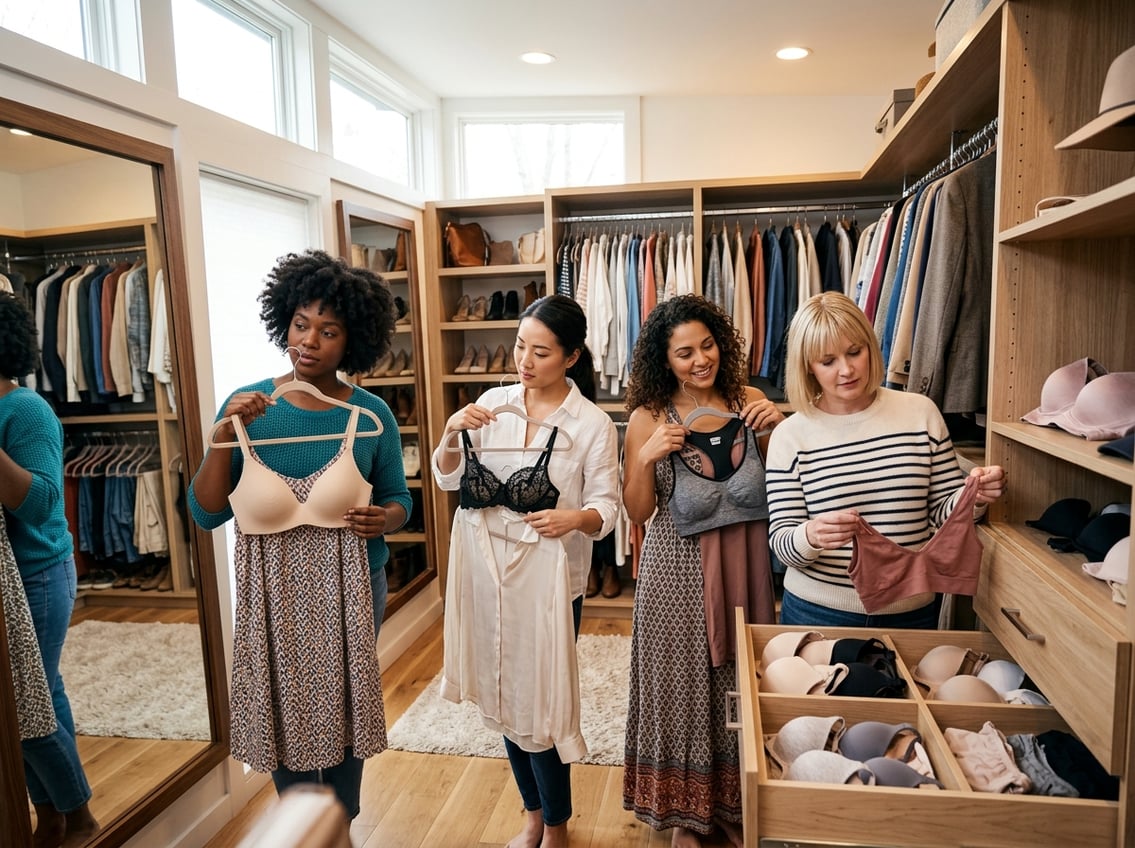
The right bra totally changes how your clothes fit and feel. Matching the bra style to your outfit’s cut means fewer visible lines, slipping straps, and weird lumps.
Which Bra to Wear Under a Shirt
For a fitted shirt or thin top, a T-shirt bra is usually your best bet. The smooth, molded cups keep things invisible under fabric.
For white or light shirts, pick a bra close to your skin tone; nude shades blend better than plain white. Avoid lace or heavy seams; they’ll show through thin fabrics.
Button-down shirts need a center gore that sits flat. Otherwise, you’ll get gaps or pulling between buttons. For low necklines, try a plunge bra so the cups stay hidden.
- Seamless cups
- Smooth edges
- Proper band fit
- Straps that adjust easily
All these details help your shirt look clean and smooth. It’s worth checking in the mirror before heading out.
Bra Type for Backless Dress
Backless dresses call for a bra that’s basically invisible from behind. Backless bras or adhesive bras are usually the go-to since they skip the traditional band.
Adhesive bras stick to your skin and give light to moderate support, best for smaller to medium busts. Clean, dry skin helps them stay put.
If you need more support, try a low-back bra with a deep U-shaped back. Some have convertible straps that wrap low around your waist, hiding under low-cut backs while still offering structure.
- Check the dress cut before choosing the bra.
- Make sure the bra edge stays below the backline.
- Test the fit by moving your arms and shoulders.
Comfort matters just as much as looks, especially at a long event.
Strapless Bra Uses
Strapless bras work with off-shoulder tops, tube dresses, halter styles, and one-shoulder outfits. They keep straps hidden while shaping your bust.
Look for a strapless bra with a wide band and some silicone grip along the edges. The band should feel firm, almost snug since it does most of the work.
Strapless bras also slide under sleeveless dresses with narrow straps. Sometimes, you can just remove straps from a convertible bra and call it a day.
Before you head out, raise your arms and bend forward. If the bra stays put, you’re good. If not, you might need a different size or style.
As stated by Wifi Talents, the global lingerie market was valued at USD 88.33 billion in 2023 and is projected to reach USD 162.72 billion by 2032, with the wireless bra segment growing at a CAGR of 8.4% faster than traditional wired bras.
Selecting Bras for Specific Needs
The right bra depends on your bust size, activity level, and daily routine. Matching the bra style to your specific need makes a real difference for comfort, shape, and support.
Best Bra for Small Bust
If you have a small bust, it's smart to focus on shape and light support instead of heavy structure. Most folks in this category don't really need thick padding or stiff underwires, honestly.
Top choices include:
- Push-up bras – these add lift and make cleavage look fuller.
- Demi-cup bras – they show off more of the upper bust and create a gentle, natural curve.
- Bralettes – these are all about light support and comfort for those laid-back days.
- Lightly padded T-shirt bras – they smooth your shape under fitted tops, and they're kind of a go-to for everyday wear.
If you want a bit more volume, look for bras with soft padding or molded cups. Prefer a natural look? Go for unlined or wireless styles; they're surprisingly comfy.
Make sure the straps sit flat on your shoulders and don't slip. Since your bust is lighter, you can really prioritize comfort fabrics like cotton or even stretch lace, rather than fussing with heavy support panels.
High-Support Bra Options
When you need strong structure and control, maybe during high movement or if you have a fuller bust, high-support bra options are essential. They help reduce bounce and protect breast tissue, especially during exercise.
For exercise:
- Encapsulation sports bras – these support each breast separately, which is a win for medium to large busts.
- Compression sports bras – they press the breasts close to the chest, so they're better for small to medium busts.
- High-impact sports bras – built for running, HIIT, and those intense workouts where you really move.
For daily wear with a larger bust, check out these styles:
- Full-coverage bras
- Side-support bras
- Balconette bras with firm bands
The band should feel snug and level around your body. Wide straps and a strong underband really help with stability, so don't overlook them.
Best Bra for Daily Use Pakistan
For daily wear in Pakistan, comfort and breathability are a big deal, especially with the long hours and warm weather. Fabrics that handle heat and moisture are a must.
Best options include:
- Cotton bras – soft, breathable, and honestly just nice for all-day comfort.
- Wireless T-shirt bras – they stay smooth under shalwar kameez or fitted kurtis, so they're pretty versatile.
- Lightly lined bras – these give you shape but skip the heavy padding, which is refreshing.
Neutral shades like skin, white, and black work under most outfits. If you're wearing lighter fabrics, seamless cups help avoid those awkward visible lines.
Look for adjustable straps and a flexible band. If you move around a lot during the day, try a bra with stretch fabric that holds up after washing. Comfort really should guide your pick for everyday wear.
Frequently Asked Questions
The right bra depends on your breast shape, the kind of support you want, and the clothes you reach for most. Different styles solve different fit issues, whether you need lift, side support, or just all-day comfort.
How do I choose the right bra style for my breast shape?
Start by checking out your natural shape in the mirror no bra, just you. Notice if you're fuller at the top or bottom, how much space is between your breasts, and how much lift you want.
If you've got fuller bottoms, try a balconette or demi-cup bra. These lift from below and add shape up top.
Fuller tops? Go for full-coverage bras with firm cups. They'll help prevent spillover and give steady support.
For uneven breasts, a bra with removable padding lets you adjust one side for a more balanced look.
Which bra styles are best for everyday comfort and support?
T-shirt bras are a solid pick for daily wear. Their smooth, molded cups disappear under fitted tops, which is always a plus.
Full-coverage bras offer steady support for larger busts and help spread weight across the band and straps.
Wireless bras and lightly lined bras also feel good for long days. Wide straps and a snug band can make a surprising difference for support without the strain.
Sports bras are the go-to for exercise. They limit bounce and help protect breast tissue when you're on the move.
What bra type provides the best lift and support for sagging breasts?
Look for bras with underwire and structured cups. These lift from below and keep your breasts in place.
Full-coverage and side-support bras help center and raise relaxed tissue. A firm band is actually doing most of the heavy lifting not the straps.
Skip thin, stretchy cups if you need strong lift. Multi-part cups with seams shape and support much better than flat ones.
Which bra styles create the most flattering fit for small breasts?
Push-up bras add volume and lift, using padding at the base or sides to create cleavage.
Plunge bras are another good option. They bring your breasts closer together and work well with low-cut tops.
Lightly lined balconette bras can enhance shape without overdoing the padding. They give a gentle lift and a rounded look.
What bra type works best for side-set or east-west breasts?
Side-support bras move breast tissue forward, using inner panels to center your breasts and close wide spacing.
Plunge bras can help too. Their angled cups guide tissue inward for a bit more definition.
Avoid bras with wide-set straps and flat cups, since they can actually make spacing more noticeable instead of fixing it.
Which bra styles are most supportive for relaxed or bell-shaped breasts?
Bell-shaped breasts usually have more fullness at the bottom, with a bit less up top. Balconette and demi-cup bras can really help here, since they lift from underneath and make the upper area look fuller.
Full-coverage bras with a sturdy underwire give steady support, especially for larger sizes. It's worth searching out wide bands and reinforced side panels those details make a difference.
Seamed cups are a smart pick for shaping relaxed breast tissue. They add structure and help your breasts sit a little higher, which is honestly a confidence boost for a lot of people.
Conclusion
The best bra is the one that fits your body, supports your lifestyle, and feels comfortable from morning to night. Whether you prefer a T-shirt bra, sports bra, balconette, or full-coverage style, choosing the right fit and breast shape match can improve comfort, support, and the way your clothes look.
Remember that your bra needs may change over time, so check your size regularly and replace bras that no longer fit or provide proper support. Building a small collection of bras for everyday wear, special outfits, and different activities ensures you're always comfortable and confident, no matter the occasion.