

Best Bras for Menopause and Hot Flashes: Cool, Comfy Picks
Hot flashes, night sweats, and breast tenderness can make your usual bra feel uncomfortable. During perimenopause, changes in temperature regulation and skin sensitivity may increase moisture, rubbing, and pressure throughout the day.
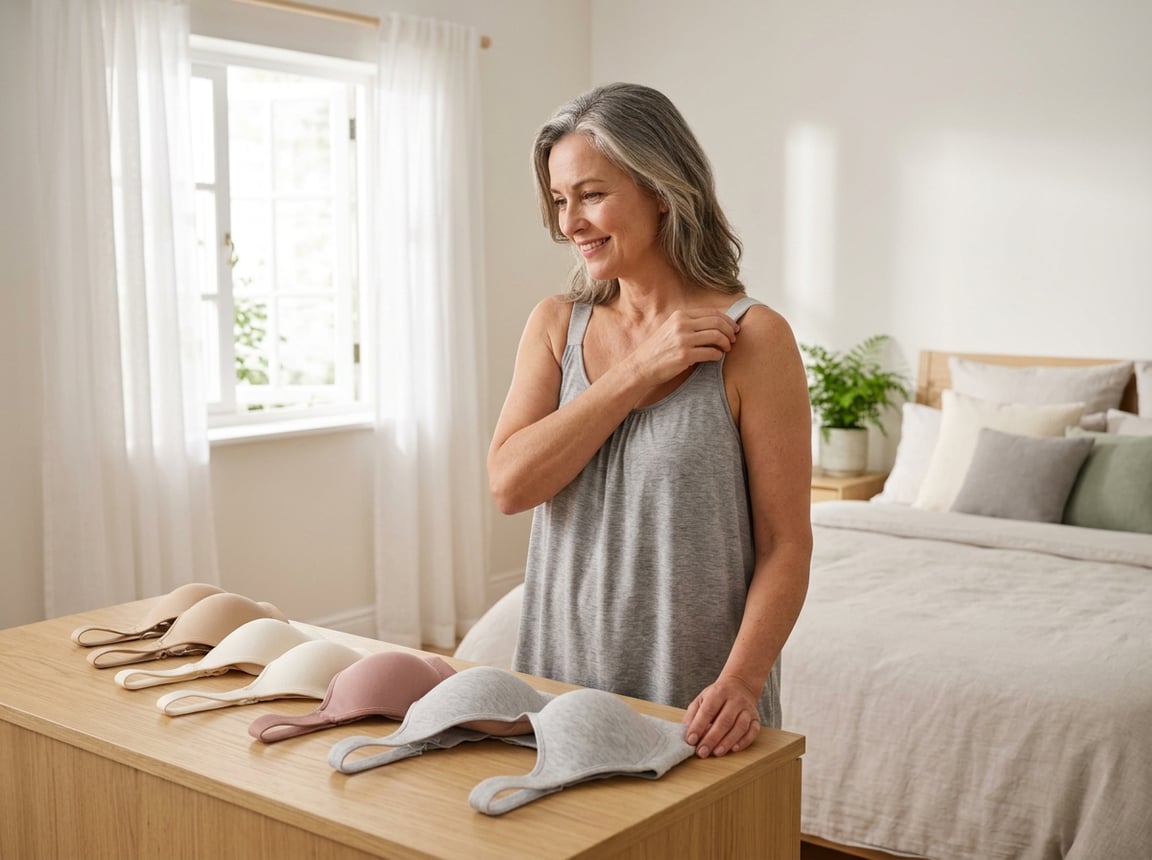
The best bra for menopause hot flashes feels cool, breathable, supportive, and gentle against your skin. Look for moisture-wicking fabric, light padding, wide straps, and a flexible fit. Wireless styles can also reduce pressure without giving up everyday support.
Your needs may change from one day to the next, so the right style should adapt with you. Explore bra features, wireless support, useful styles, and simple fit and care tips to find lasting comfort.
Why Menopause Changes Bra Comfort
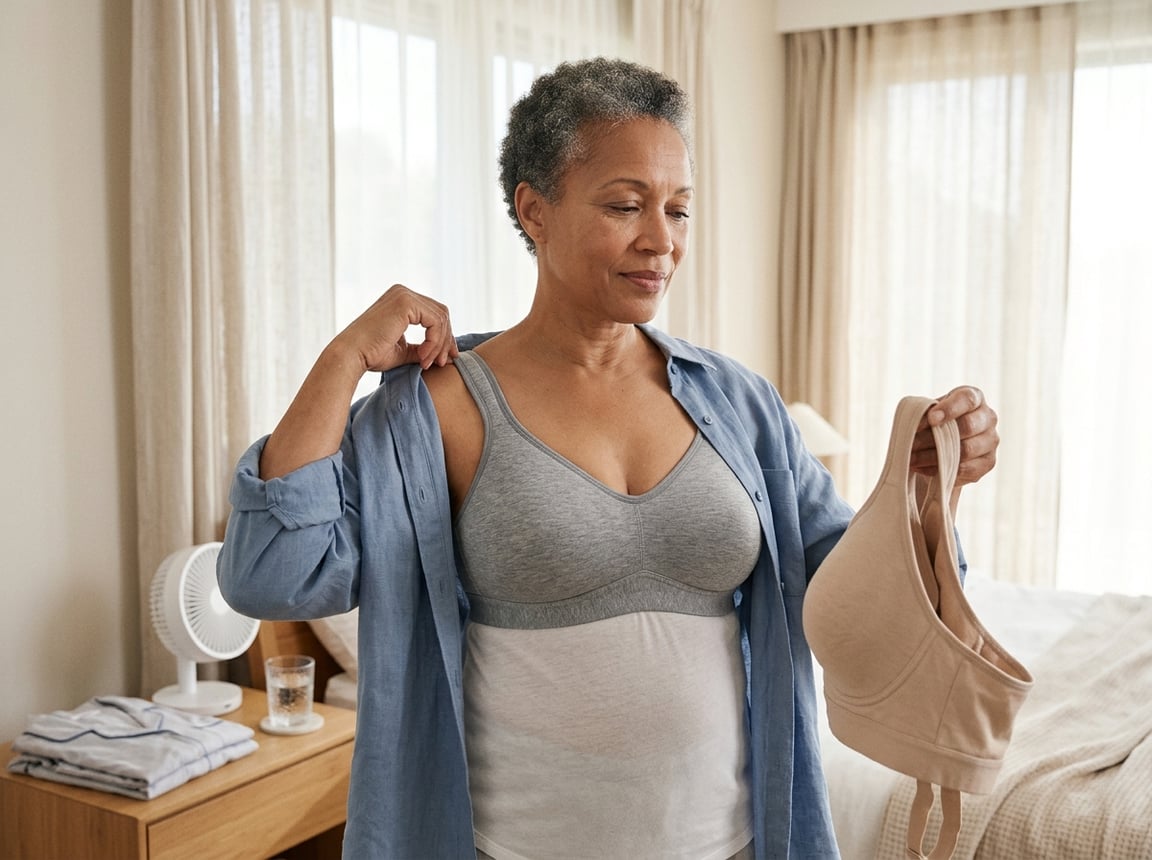
During perimenopause and menopause, heat, sweat, skin sensitivity, and breast changes can affect how your bra feels. The right fit and fabric can help you stay cooler, reduce rubbing, and get the support you need.
Hot Flashes, Night Sweats, And Breast Sweat
Hot flashes can make your chest and back feel hot within minutes. Night sweats may leave your bra damp, which can cause chafing and make sleeping uncomfortable. A bra for night sweats should feel soft, loose, and breathable rather than tight or heavily padded.
Choose moisture-wicking fabric, such as lightweight microfiber or a breathable cotton blend. Wide, soft bands can absorb some moisture without digging into your skin. Avoid thick foam cups, scratchy lace, and heavy underwire if they trap heat or increase discomfort.
To help prevent breast sweat, look for cups that separate your breasts and fabrics that dry quickly. A low-support sleep bra may work at night, while an unlined wireless bra can provide comfort during the day. Change out of damp bras promptly to protect your skin.
Skin Sensitivity and Changing Support Needs
Hormonal changes can make your skin drier and more sensitive. Seams, tags, tight bands, and rough elastic may cause itching or redness. Select bras with smooth stitching, wide straps, and soft fabric. A seamless or wireless design may reduce pressure on tender areas.
Your breast size and shape may also change during perimenopause. Check that the band stays level and that the cups fully contain your breasts without gaps or spilling. You may need a different size or style than you wore before menopause.
For many women over 50, the best bra combines gentle support with easy adjustment. Front closures, adjustable straps, and wide side panels can improve comfort without adding bulky padding.
Features That Keep You Cool And Dry
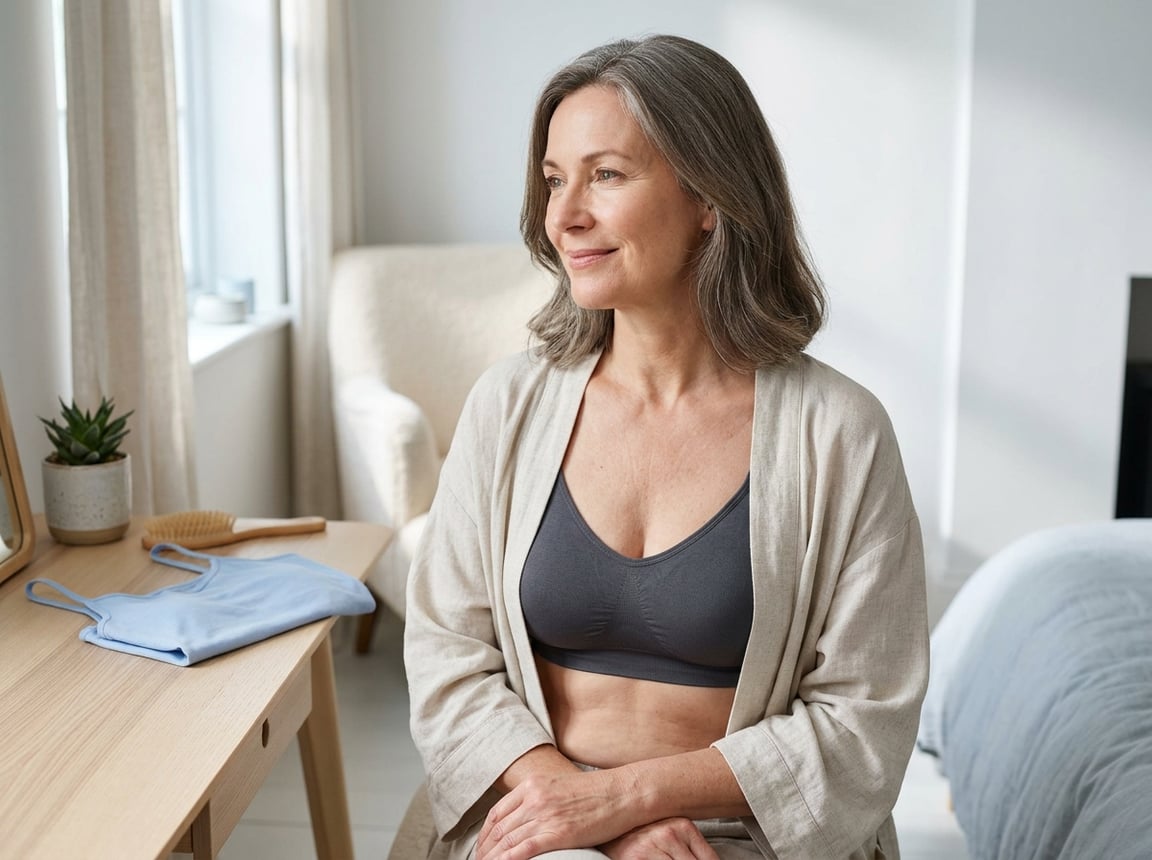
Sweat control, airflow, and soft materials can make your bra more comfortable during hot flashes. Look for fabrics that move moisture away from your skin and designs that reduce rubbing under your breasts and along your sides.
Moisture-Wicking Fabrics and Ventilated Designs
A moisture-wicking bra pulls sweat away from your skin so it can dry faster. Nylon, polyester, and some blended fabrics often dry more quickly than standard cotton. Choose a lightweight style with mesh panels, open-knit sections, or small ventilation zones near the band and between the breasts.
A breathable bra for menopause should fit firmly without pressing into your skin. A tight band can trap heat and increase sweating, while a loose band may rub or fail to support you. Wide straps, a smooth band, and quick-drying fabric can help you stay comfortable during daily activity.
Check the care label before buying. Fabrics that keep their shape after frequent washing offer better value, especially if you change bras often during warm weather or repeated hot flashes.
Breathable Cotton And Soft Seam Placement
A cotton bra for hot flashes feels soft and allows some airflow against your skin. Look for breathable cotton fabric blended with a small amount of stretch, which can improve fit without making the bra feel stiff. Cotton may hold moisture longer than synthetic wicking fabric, so it works best for light sweating or quiet activities.
Seam placement also affects comfort. Choose bras with flat seams, bonded edges, and smooth lining around the cups and underarms. Avoid thick stitching, rough lace, and narrow bands that can press into damp skin.
A soft cotton bra with wide straps may suit you at home or overnight. For exercise or heavy sweating, a moisture-wicking style with ventilation may support better temperature regulation.
Choosing The Right Support Without Wires
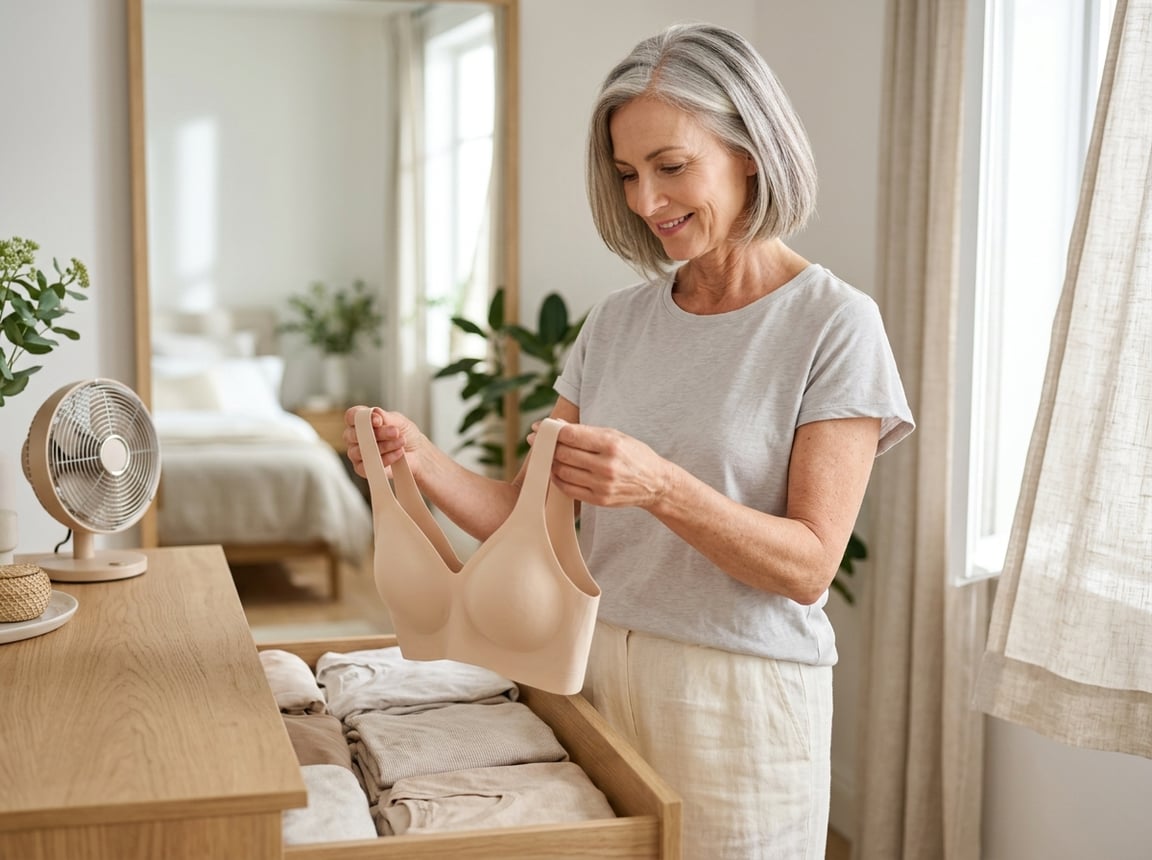
You can find wire-free support that feels comfortable during hot flashes without sacrificing shape or fit. Look for breathable fabrics, wide bands, adjustable straps, and gentle stretch that stays in place as your body temperature changes.
Wireless Styles for Everyday Wear
A wireless bra for menopause comfort should feel soft against warm or sensitive skin. Choose cotton comfort bras or styles with moisture-wicking fabric, smooth seams, and light padding. Cotton feels breathable, while moisture-wicking blends can help move sweat away from your skin.
Look for a wide, snug band that sits level around your body without digging in. Wide shoulder straps can reduce pressure, especially if your breasts feel fuller or more tender during hormonal changes. A racerback or back-smoothing design may also prevent straps from slipping.
For more support, choose wireless bras with molded cups, inner panels, or reinforced side sections. These features help shape your breasts without underwire. Use the loosest hook setting at first, then tighten it as the band stretches with wear.
Supportive Options for Sleep and Low-Impact Activity
For sleep, select a soft wireless bra with light support and minimal hardware. A pull-on style with wide straps can reduce pressure, while a cotton comfort bra may feel cooler against your skin. Avoid tight bands, rough seams, and thick padding if you often wake with night sweats.
For walking, yoga, or stretching, choose wire-free support with a firm lower band and fabric that dries quickly. A supportive wireless sports bra can limit movement without the stiffness of a high-impact design. Removable pads let you adjust coverage and reduce heat when needed.
Check the fit by raising your arms and bending forward. Your breasts should stay inside the cups, the band should remain level, and the fabric should not roll or pinch. Wash breathable bras as directed to protect their shape and softness.
Best Bra Styles for Common Menopause Needs
Choose soft, breathable fabrics and a fit that does not press into sensitive skin. The right style can help you manage heat, moisture, changing breast size, and the need for steady support.
Everyday T-Shirt and Lounge Bras
A seamless T-shirt bra gives you a smooth shape under clothing without rough seams that may irritate hot, damp skin. Look for light padding, wide straps, and a band covered with soft fabric. Removable pads can help you adjust coverage and remove extra layers when you feel warm.
For lounging, choose a wireless bra with cotton or moisture-wicking fabric. Cotton bras feel soft and allow airflow, but they can stay wet after sweating. A cotton blend with nylon, modal, or moisture-wicking fibers may dry faster while keeping a soft feel.
Select a band that stays level without digging into your ribs. You should fit two fingers under the band and adjust the straps, so they support your breasts without pulling at your shoulders. These features make a practical choice for mature women’s lingerie and daily wear.
Sleep Bras for Night Sweats
A sleep bra for night sweats should feel light, flexible, and easy to remove. Choose a wireless design with a wide under band, a low neckline, and no metal hooks that can press into your skin while you sleep. Stretch cotton, bamboo blends, and moisture-wicking fabrics can help manage dampness.
Avoid thick padding and heavy lining, which can hold body heat. A pull-on style works well if you prefer fewer fasteners, while a front-closure design may be easier to use if shoulder movement feels uncomfortable.
Keep two or more sleep bras available so you can change after sweating. Wash each bra with mild detergent and let it dry fully before wearing it again. If the band rolls or the fabric feels wet, choose a larger size or a lighter material.
Supportive Bras for Larger Busts
If you have a larger bust, look for firm support without stiff, scratchy fabric. A supportive bra should have a wide, level band, adjustable padded straps, and cups that contain your breasts without spilling at the top or sides. Three- or four-part cups often provide more shape and support than thin, stretchy cups.
Breathable mesh panels can improve airflow between and under your breasts. Soft seams and a moisture-wicking lining may reduce rubbing during hot flashes. A cotton-lined cup can feel comfortable, while moisture-wicking outer fabric may dry more quickly.
A professional fitting can help you find the correct band and cup size, especially when menopause changes your breast size. If the band rides up, the straps carry most of the weight, or the center panel does not rest against your chest, try a different size or style.
Fit, Care, And Outfit Tips for Lasting Comfort
A well-fitted bra should support you without digging into your skin or trapping heat. Breathable fabrics, gentle washing, and smooth underwear can help prevent breast sweat, chafing, and rashes during hot flashes.
How To Check Your Bra Size and Fit
Measure your band size while wearing a lightly lined bra. Wrap a soft tape measure around your rib cage, just below your breasts, and keep it level. Measure your bust at its fullest point without pulling the tape tight. Use the brand’s size chart because sizes can vary.
Check the fit when you move, bend, and raise your arms. The band should sit flat and stay level, while the center panel should rest against your chest. Your breasts should fill the cups without spilling over or leaving empty space.
Adjust the straps so they stay in place without digging into your shoulders. If the band rides up, try a smaller band. If the cups spill over, try a larger cup. Choose cotton bras or moisture-wicking styles with wide, soft bands when you want better airflow.
Washing Bras to Preserve Breathability
Wash bras after every two or three wears, or sooner if sweat collects under your breasts. Follow the care label, but hand washing in cool water usually protects stretch fabric. Use a small amount of mild detergent and avoid bleach, fabric softener, and strong fragrances.
Gently press water from the bra instead of twisting it. Lay it flat on a clean towel or hang it from the center panel, not the straps. High heat from a dryer can damage elastic and reduce the bra’s support.
Fasten hooks before washing and place bras in a mesh bag if you use a washing machine. Rinse well so detergent does not remain against sensitive skin. Keep at least two or three bras in rotation so each one can dry fully between wears.
Pairing Bras with Anti-Chafe Underwear
Choose underwear that stays smooth under your bra band and does not trap sweat. High-waisted panties to avoid rashes should have soft, flat seams and a breathable cotton gusset. Avoid tight elastic that presses into the groin, waist, or lower breast area.
For dresses, skirts, or loose trousers, moisture-wicking shorts can reduce rubbing between your thighs. Pick a pair with a light, smooth fabric rather than thick compression panels, which may hold in heat during hot flashes.
Change damp underwear as soon as possible after exercise or heavy sweating. Before dressing, make sure your skin is clean and fully dry. If you need extra protection, apply a fragrance-free anti-chafe balm to areas where fabric rubs, but avoid putting it on broken or irritated skin.
Frequently Asked Questions
You can manage heat, sweat, tenderness, and changing breast shape with breathable fabrics, wireless support, adjustable straps, and a well-fitted band. Cooling materials may improve comfort, but fit and moisture control matter most.
What are the best bras for hot flashes?
Choose bras made with moisture-wicking nylon, polyester, bamboo, or lightweight cotton blends. Look for mesh panels, wide straps, and light padding that does not trap heat.
A wireless bra can feel cooler because it has less structure against your skin. If you need more lift, choose a lightly lined bra with breathable cups and a smooth, wide under band.
Are cooling bras actually helpful during menopause?
Cooling bras can help move sweat away from your skin and improve airflow. Some use moisture-wicking fabric, while others include mesh panels or fabric designed to feel cool when you put it on.
They cannot stop hot flashes or lower your body temperature for long. Check the fabric content and wash-care instructions, since some cooling treatments may lose effectiveness over time.
What features should I look for in a menopause-friendly bra?
Look for these features:
-
Moisture-wicking, breathable fabric
-
Mesh or ventilated panels
-
Wireless or flexible support
-
Wide, cushioned straps
-
A soft, tag-free design
-
Adjustable hooks and straps
-
Removable pads for optional shaping
-
A wide, smooth band that does not dig into your skin
Avoid tight bands, rough seas, heavy padding, and fabrics that hold sweat. A proper fit also reduces rubbing and pressure on tender breasts.
What is the best cooling bra for large breasts?
For larger breasts, choose a cooling bra with a wide under band, full-coverage cups, reinforced side panels, and wide adjustable straps. Moisture-wicking fabric and mesh sections can improve airflow without reducing support.
A wireless bra may work if it has strong cup construction and a firm band. If you need more lift or separation, try a breathable underwire style with padded wire channels and no-sew or bonded seams.
Are wireless bras better for menopausal breast discomfort?
Wireless bras often feel more comfortable when your breasts feel tender or swollen. They remove pressure from underwire channels and usually allow more movement.
They may not provide enough lift or separation for everyone. Choose a wireless bra with molded cups, side support, and a firm but comfortable band if you need more structure.
What is the best bra for sagging breasts after menopause?
Choose a bra with full-coverage cups, firm side support, wide straps, and multiple hook settings. A balconette or full-support bra can lift your breasts, while molded cups can create a smoother shape.
Fit the band first because it provides most of the support. Your breasts should stay inside the cups without bulging, and the center panel should sit comfortably against your chest when the bra has one.
Conclusion
Menopause and hot flashes can make everyday bras feel uncomfortable, especially with sudden warmth and night sweats. Choosing breathable, wire-free bras helps reduce irritation and keeps you cool throughout the day. The right fabric and fit can make a real difference in comfort during this stage of life.
Soft cotton blends and wireless designs are especially helpful for sensitive skin and shifting body temperature. Avoiding tight bands and underwires can also reduce discomfort during flashes. Shop our cotton and wireless bra collections for options designed with comfort in mind.