

Best Bras for Teenagers in Pakistan - A Guide for First-Time Buyers
Shopping for your first bra in Pakistan can feel confusing and awkward. Sizes, styles, padding, wires, cotton, sports bras there are too many choices, and most guides just push products instead of helping you understand what you actually need.
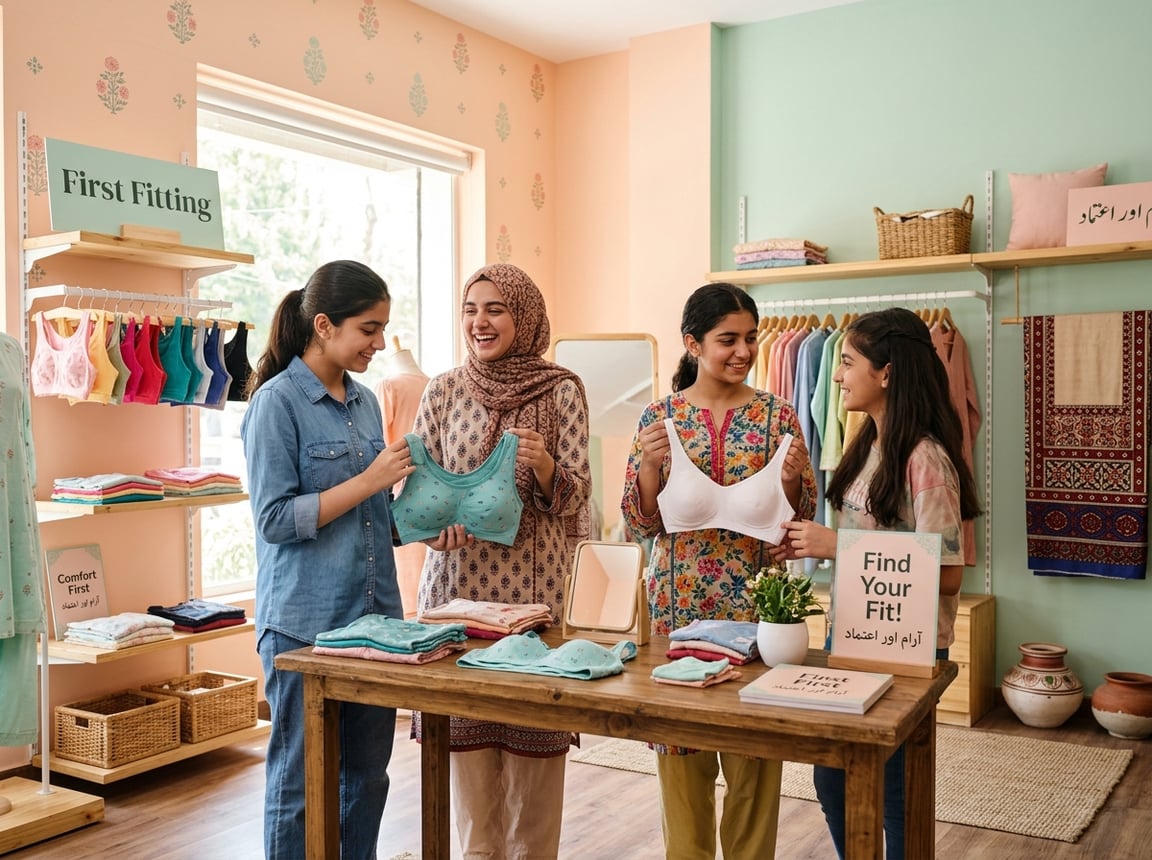
The best bras for teenagers in Pakistan are soft, wire-free styles in breathable fabric that fit your current size comfortably without gaps, tight straps, or pressure. Think training bras, light t‑shirt bras, or simple non-padded options made for growing bodies. The right pick supports you without feeling stiff or heavy.
You also need more than a size chart. You need clear tips on fit, how to shop without stress, how teen bras differ from regular bras, and how to avoid guessing your size for years. This guide walks you through all of that so you can choose with confidence and feel comfortable every day.
What Most First-Bra Guides Get Wrong (Product Over Process)
Many first-bra guides focus too much on the item itself and not enough on how you choose it. The real issue is not which bra looks best, but how you feel while learning to wear one.
Myths About First-Time Bra Shopping
Many guides act like your first bra must be a specific type, like a padded or shaped bra. That is not true. Most teens do better with wire-free, lightly supportive, breathable styles such as training bras or soft bralettes.
Another myth says you need lift or shape right away. You do not. At this stage, comfort matters more than appearance. Push-up bras, heavy padding, and tight underwires can feel uncomfortable for growing bodies. Some of the hesitation around underwire also comes from an old health myth rather than genuine comfort concerns.
A study by the Fred Hutchinson Cancer Research Center evaluated over 1,000 women with breast cancer against nearly 500 without it and found no link between underwire use and cancer risk. The real reason to avoid underwire early on is comfort and growth, not any hidden danger.
Some advice also pushes brand names instead of fit. A popular brand in Pakistan does not guarantee the right size for you. A bra that feels soft, stays in place, and does not dig into your skin is a better choice than one that simply looks nice on the hanger.
Why the Journey Matters More Than the Purchase
Your first bra is not just a product. It is part of learning about your body.
You may feel unsure, shy, or even confused. That is normal. A calm shopping experience with a trusted adult or older sister makes a big difference.
Focus on small steps:
- Measure your size at home if possible
- Try simple, cotton styles first
- Check that the band feels snug but not tight
- Move your arms to see if it stays in place
When you rush the process, you may pick something uncomfortable and stop wearing it. When you take your time, you learn what feels right.
The goal is not to buy the “best” bra on day one. The goal is to feel comfortable, supported, and confident in your own skin.
Why the First Shopping Trip Is Usually Rushed and One-Sided
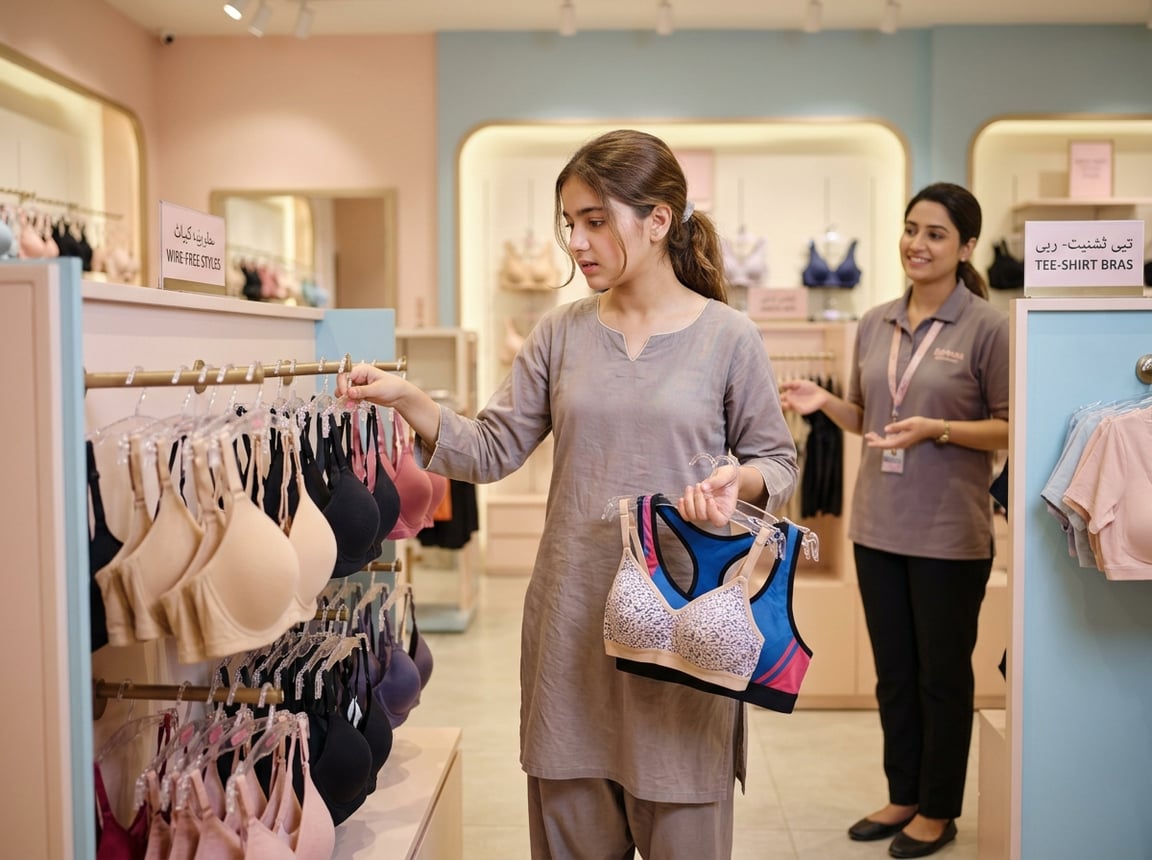
Your first bra shopping trip often happens quickly, with little planning or open talk. Many girls feel unheard, and many parents focus only on “getting it done” instead of making it comfortable.
Common Parental Missteps
Parents often treat the first bra like a quick errand. They walk into a store, pick a basic training bra, and head to the counter.
You might not get measured at all. Or the sales staff may guess your size without checking fit in a proper way. A bra that is too tight, too loose, or made from stiff fabric can make you uncomfortable for months.
Some common mistakes include:
- Choosing a size based only on age
- Ignoring fabric and breathability in hot Pakistani weather
- Buying padded bras too early without asking your opinion
- Refusing to let you try different styles
Many parents also focus only on modesty. They may avoid talking about comfort, support, or how the bra should actually feel on your body. This makes the trip feel practical, not personal.
Pressure and Awkwardness for Teens
You may already feel shy about needing a bra. Walking into a lingerie section with bright lights and other shoppers can make you nervous.
If your parent rushes you or avoids eye contact, the tension grows. You might stay quiet even if the bra feels scratchy or tight.
Some teens feel pressure to:
- Agree with whatever the parent picks
- Avoid asking questions about fit
- Skip trying on different sizes
You also may not know your options. Beginner bras, sports bras, bralettes, and wireless styles all feel different. Without clear guidance, you accept the first choice just to end the moment.
When no one explains what a good fit feels like, you leave confused instead of confident.
What This Costs Girls Later (Guesswork Sizing for Years)
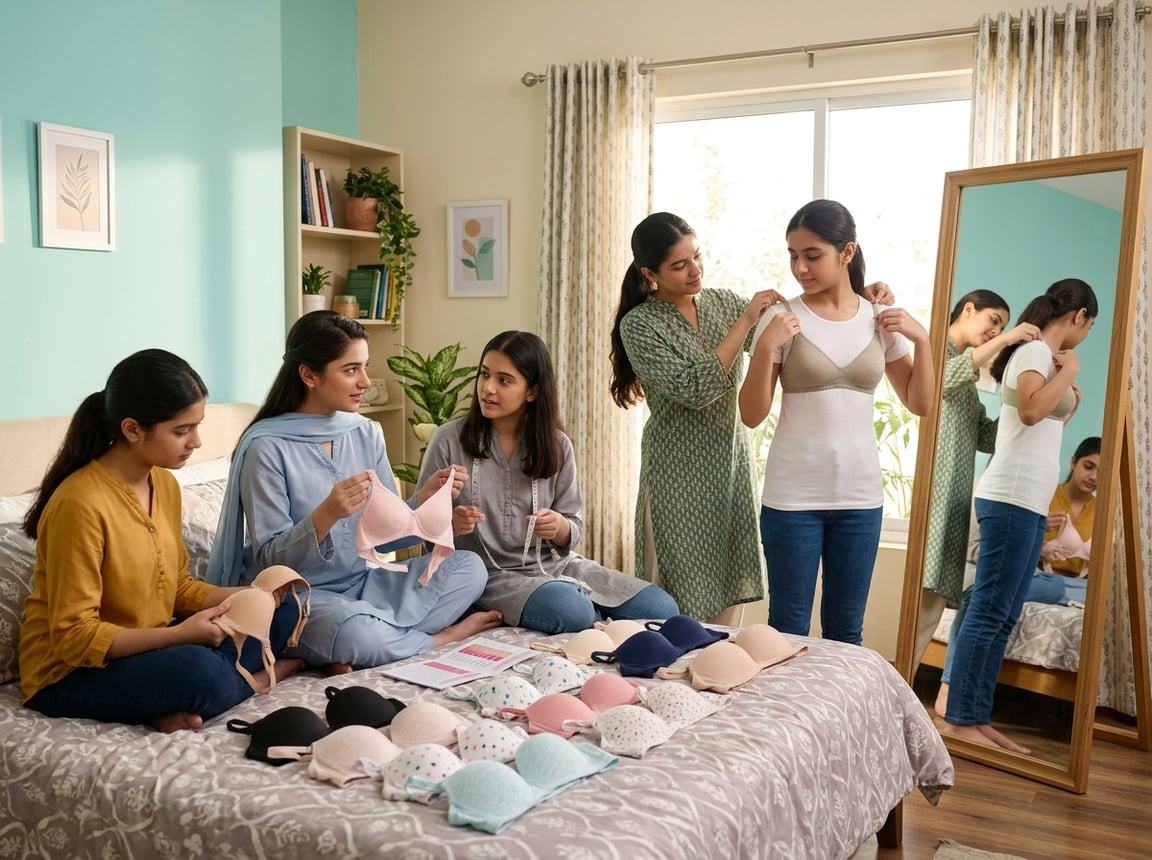
When you start with the wrong size, you often stay in the wrong size for years. That early guess can affect your comfort, posture, and confidence long after your first bra.
Struggles with Fit and Comfort
If you guess your size at 12 or 13 and never measure again, you may wear bras that do not match your body as it changes. Teen bodies grow fast. Cup size, band size, and shape can shift within months.
A tight band can leave red marks on your skin. Loose straps can slide off your shoulders all day. Cups that are too small can press into breast tissue and cause pain, especially during school or sports.
You may think discomfort is normal. It is not.
Common signs of wrong sizing:
- Band rides up at the back
- Straps dig into your shoulders
- Gaps in the cups
- Spillage over the top or sides
- Needing to adjust your bra many times a day
When you rely on guesswork, you often buy the same wrong size again and again. In Pakistan, many girls shop online without checking size charts or measuring at home. That can lock you into years of poor fit.
Long-Term Impact on Confidence
Wearing the wrong size does more than hurt your skin. It can affect how you feel in your clothes.
If your bra shifts under your school uniform or kameez, you may feel self-conscious. You might avoid certain outfits because they show lines or bulges. You may slouch to hide your chest if the fit feels awkward.
Over time, you may stop trusting your body. Instead of thinking, “This bra is wrong,” you may think, “Something is wrong with me.”
That mindset can stick.
When you finally get measured or try a proper fit, you may realize how long you settled for less. Starting with accurate sizing and checking it every year can save you from years of discomfort, wasted money, and quiet frustration.
How to Make the Conversation and Shopping Trip Easier
Open talk, shared choices, and a calm approach can turn first-bra shopping into a normal and stress-free step. When you listen and give your teen a voice, you make the process smoother for both of you.
Tips for Building Trust
Start the talk in a quiet and private space.
Do not bring it up in front of siblings or guests.
Use simple and clear words. You can say, “Your body is changing, and a bra can help you feel comfortable at school and outside.” This keeps the focus on comfort, not shame.
Listen more than you speak.
Let your teen explain what feels uncomfortable, such as school uniforms showing through shirts or straps slipping.
You can also:
- Share your own first-bra story in a simple way
- Explain that many girls in Pakistan start with soft, non-wired bras
- Reassure her that questions about size and fit are normal
Trust grows when you stay calm and avoid teasing or jokes. If you treat bras like basic clothing, your teen will too.
Involving Teens in Choices
Let your teen take part in picking the style.
This helps her feel in control of her body.
Show her beginner-friendly options such as:
- Soft cotton bras for daily wear
- Wire-free bras for comfort
- Lightly padded bras if she wants more coverage under school uniforms
- Stretchy training bras for early development
Ask what matters most to her: color, padding, straps, or brand. Some teens prefer neutral shades like white, beige, or black for school. Others may want soft pastels.
If you shop online in Pakistan, check size charts together.
If you visit a store, ask for a female sales assistant if that makes her more at ease.
Let her try different sizes and move around in the fitting room. She should raise her arms and bend slightly to test comfort. Remind her that the right bra should feel snug but not tight.
Approaching the Topic with Sensitivity
Keep your tone relaxed and normal.
Avoid acting like this is a big or embarrassing event.
Do not link bras to ideas about “growing up too fast.” Focus on support, comfort, and body changes that happen during puberty. This keeps the message clear and practical.
Respect her privacy.
Knock before entering her room and avoid checking fit without permission.
If she feels shy about shopping in person, consider online stores in Pakistan that offer discreet delivery. Many local brands and marketplaces provide simple return policies, which lowers stress about picking the wrong size.
Most importantly, move at her pace.
If she says she is not ready, wait a little and revisit the topic later. Patience and respect make the conversation and shopping trip much easier for both of you.
What to Actually Look for in a First Bra
Your first bra should feel simple, soft, and easy to wear. Focus on fabric, basic support, and a fit that feels natural instead of tight or shaped.
Fabric and Comfort
Start with soft, breathable fabric. Cotton and cotton blends work well in Pakistan’s warm weather because they absorb sweat and feel light on your skin.
Look for fabric that feels smooth inside the cups and along the band. Rough lace, heavy padding, and stiff seams can irritate sensitive skin, especially during puberty.
Many starter bras and teen bras use stretchy material without underwire. That stretch helps the bra move with your body instead of pressing into it. Standard bras for adults often have thicker padding and wires, which you usually do not need yet.
If you play sports or move a lot, choose a light sports bra made from moisture-wicking fabric. It should hold you gently, not flatten you tightly.
Adjustability and Support
Your body will change quickly during your teen years. Choose a bra with adjustable straps and multiple hook settings at the back so you can loosen or tighten it as needed.
Starter bras often come in simple sizes like S, M, and L. That works in the early stages. As your bust develops more, you may need cup sizes like 30A or 32B for better support.
Teen bras focus on light support. They usually skip push-up padding and heavy shaping. Standard bras often lift and shape more, which is not necessary for a first bra.
Look for:
- A snug band that stays in place
- Straps that do not slip off your shoulders
- Light lining instead of thick padding
Support should feel secure but never tight.
Signs of a Good Fit
A good fit feels almost invisible when you wear it. You should be able to breathe, move your arms, and sit comfortably without adjusting it all day.
Check the band first. It should sit straight across your back and not ride up. You should fit two fingers under the band, but it should still feel firm.
The cups should lie flat against your chest. There should be no gaps at the top and no spilling over the edges.
Watch for red marks or itching after you take it off. Mild lines are normal, but deep marks mean the bra is too tight.
If you forget you are wearing it, that is usually a good sign you chose the right first bra.
Difference Between Standard Bras vs Teen Bras, Starter Bras
Teen bras, starter bras, and standard bras serve different needs. The main difference lies in support level, structure, sizing, and purpose during different stages of breast development.
Key Design Features
When you compare the difference between standard bras vs teen bras, starter bras, design is the first thing you notice.
Teen bras and starter bras are usually:
- Wire-free
- Lightly padded or non-padded
- Made with soft cotton or stretch fabric
- Simple in sizing (XS, S, M, L)
They focus on comfort and gentle support. Many come in pull-on styles or have basic hook closures. They work well when your breasts are still developing and need light shaping, not heavy lift.
Standard bras, on the other hand, often include:
- Underwire for structure
- Molded or shaped cups
- Defined cup and band sizes (like 32B, 34C)
- Stronger elastic and support panels
These bras shape and lift more. They suit fully developed breasts that need firmer support, especially for school, sports, or long days outside.
Why Starter Bras Matter
Starter bras play an important role when you first begin wearing a bra.
They help you get used to the feeling of wearing one without discomfort. Since they are soft and flexible, they reduce pressure on sensitive breast tissue. This matters during early growth stages.
A starter bra also gives light coverage under school uniforms. Thin fabric can feel awkward without it. Many girls in Pakistan choose cotton starter bras because they handle heat and sweat better.
You also avoid sizing stress. Instead of worrying about cup letters, you pick a simple size based on your chest measurement.
Most important, starter bras support gradual change. Your body is still developing, so you need something that adjusts with you, not something rigid.
When to Transition to Standard Bras
You should move to a standard bra when your current teen bra no longer gives enough support.
Signs to watch for:
- The band feels too tight even on the loosest hook
- Cups feel flat or too small
- You notice bouncing or discomfort during movement
- Straps dig into your shoulders
As your breasts grow fuller, you need better structure. A standard bra with proper cup and band sizing gives more accurate support. This reduces back, shoulder, and posture issues.
You do not need to rush this step. Many teenagers stay in teen bras for years before switching.
Choose a standard bra when your body clearly needs more lift and defined shaping, not just because of age.
A Guide Teens Can Use Themselves Going Forward
You can learn to choose the right bra without feeling confused or shy. When you know how to check your fit, track your growth, and shop smart in Pakistan, you stay comfortable and confident.
Self-Assessment Tips
Start by checking how your current bra feels at the end of the day.
If it leaves deep red marks, feels tight, or rides up your back, the size may be wrong.
Stand in front of a mirror and look at the band. It should sit straight across your back, not higher than the front. The straps should stay in place without digging into your shoulders.
Use this quick checklist:
- Band: Snug but you can fit two fingers under it
- Cups: No gaps, no spilling over
- Straps: Do not slide or press into skin
- Center panel: Lies flat against your chest
Move your arms around. Bend forward. If the bra shifts too much, try a different size or style.
For beginners, soft cotton bras, light bralettes, or simple training bras often feel best. Avoid heavy padding if you are still growing. Comfort matters more than style at this stage.
When to Measure Again
Your body can change fast during your teen years. Measure yourself every 6 to 12 months, or sooner if your bras feel tight.
You should also re-measure if:
- Your band feels tighter than before
- Your cups feel small
- You had a growth spurt
- You started sports and need more support
To measure at home, use a soft measuring tape. Measure around your ribcage for the band size. Then measure around the fullest part of your chest for the cup size. Wear a light, non-padded bra while measuring.
If your size falls between two numbers, try both. Sizes can vary between brands, so always test the fit instead of trusting the label alone.
Where to Shop in Pakistan
You can find teen-friendly bras in many places across Pakistan. Large malls in cities like Karachi, Lahore, and Islamabad carry local and international brands.
Popular options include:
- Outfitters and Sapphire for basic bralettes
- Miniso for soft beginner styles
- Local lingerie stores in malls for more size options
- IFG for online shopping
When shopping in-store, ask for a fitting if you feel comfortable. If not, choose simple cotton styles and check the return policy.
Online shopping works well if you already know your size. Read size charts carefully and check reviews. Stick to breathable fabrics like cotton blends for daily wear, especially in Pakistan’s warm weather.
Frequently Asked Questions
Buying a first bra can feel confusing, especially with so many styles in stores across Pakistan. These answers focus on simple, practical choices that fit your age, comfort level, and daily routine.
What type of bra should a girl start with for her first one?
You should start with a training bra or a soft, non-wired bra. These styles feel light and do not press into your skin.
Look for cotton or other breathable fabric. A simple pullover style or one with small hooks at the back works well when you are just getting used to wearing a bra.
Avoid heavy padding or underwires at first. Your goal is comfort and gentle support.
Which bra is a good choice for a 14-year-old who needs light support?
At 14, you may need more shape but still want comfort. A wire-free T-shirt bra with light padding is a good choice.
It gives smooth coverage under your school uniform or casual clothes. Light padding also helps prevent show-through without adding too much bulk.
Choose soft straps that do not dig into your shoulders.
How do you figure out the right bra size for a teenage girl?
You can measure at home with a soft measuring tape. First, measure around your ribcage just under your bust. Then measure around the fullest part of your chest.
The difference between these two numbers helps you find your cup size. Many size charts from local Pakistani brands can guide you.
If possible, try the bra on. The band should feel snug, and the cups should not gap or spill over.
Are training bras better than padded bras for younger teens?
Training bras work better if your breasts are still developing and you want very light support. They feel simple and natural.
Padded bras can help if you want more coverage under thin fabric. However, thick padding is not necessary for most younger teens.
Choose based on your comfort, not trends.
Getting the First Fit Right
Buying a first bra can feel confusing, but it does not have to be complicated. Focusing on comfort, soft fabrics and a proper fit matters far more than following trends, and it helps build good habits that carry into adulthood.
Take time to get measured, try a few different styles and choose what feels most comfortable rather than what looks appealing on the shelf. With the right guidance, first time buyers can feel confident and at ease as they find bras that truly fit.
What’s the most comfortable bra style for school and everyday wear?
A non-wired cotton T-shirt bra is often the most comfortable for daily use. It stays smooth under uniforms and regular outfits.
Look for breathable fabric, especially in warm weather. Many teen bras in Pakistan come in soft cotton blends made for long school days.
Avoid lace or heavy designs for school. Simple styles usually feel better for many hours.
What should you look for in a supportive bra for teens who are still growing?
Pick a bra with a flexible band and adjustable straps. Your body may change quickly, so you need room to adjust.
Choose soft cups that give shape without hard structure. Wire-free designs are usually safer and more comfortable while you are still growing.
Also check the stitching and fabric quality. A well-made bra keeps its shape after washing and gives steady support over time.