

Why Office Lingerie Needs for Pakistani Working Women Differ From Western Workwear Guides
If you work in Pakistan, you already know that most Western workwear advice does not fully match your daily reality. Office dress codes here blend cultural norms, modesty, heat, long commutes, and layered outfits like kurtas, suits, and dupattas. What you wear underneath has to support all of that.
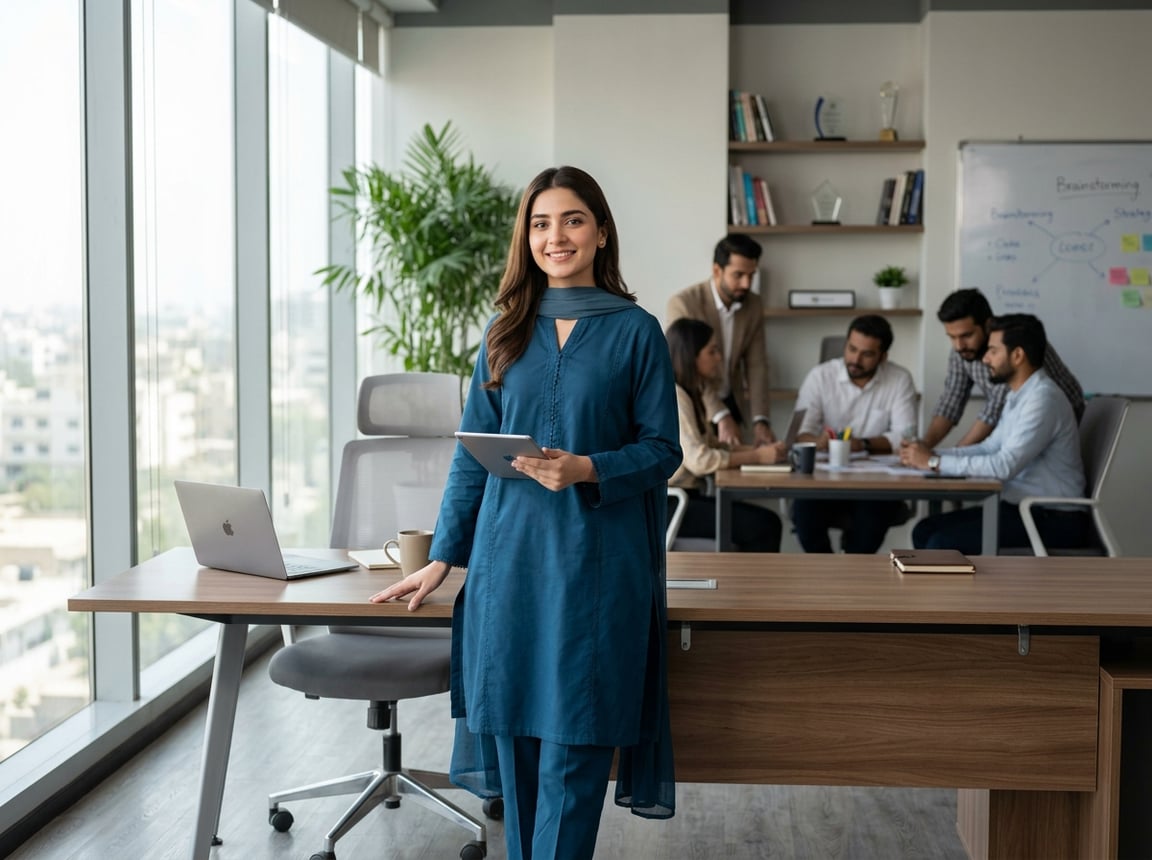
Office lingerie needs for Pakistani working women differ because you must balance modesty, climate, traditional outfits, and long work hours in ways most Western guides do not address.
Most Western workwear content is also written for a different worker altogether; globally, 51% of women participate in the labor force, compared to just 24% in Pakistan, according to World Bank data. That gap means the guides you're reading were rarely written with your routine, dress code, or climate in mind.
A bra that works under a fitted blazer in a cool office abroad may not suit a lightweight lawn kurta in humid weather. In peak summer, Lahore's average high climbs to 40.4°C (104.7°F) and doesn't drop below 27.4°C (81.3°F) even at night conditions no air-conditioned Western office guide is built to handle.
You also deal with different social expectations, fabric choices, and body coverage needs. In the sections ahead, you will see why Western bra rules often fall short, what truly shapes your daily choices, and how to pick styles that stay comfortable, supportive, and appropriate from morning to evening.
Why Western Office Bra Rules Don’t Fit Pakistani Work Culture
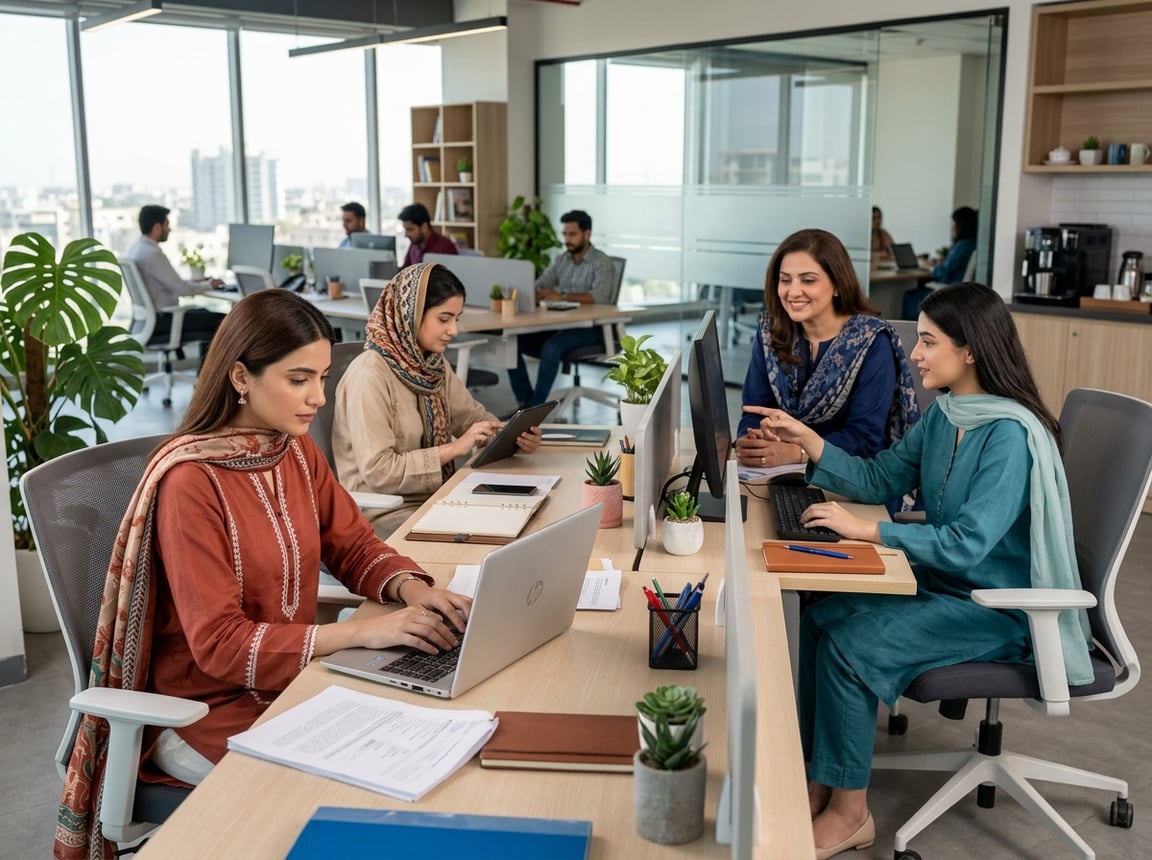
Western workwear guides often assume a certain type of outfit, office setup, and body standard. Your daily reality in a Pakistani office can look very different, so the same lingerie advice does not always make sense.
The Western "office bra" Template and Why It Doesn’t Transfer
Western advice often centers on the “T-shirt bra” rule. It tells you to wear a smooth, lightly padded bra under fitted tops, blazers, and thin fabrics. The goal is simple: no visible lines and a rounded shape under structured clothing.
But you may not wear those clothes to work.
In many Pakistani offices, you wear shalwar kameez, kurtas, or loose two-piece suits. These outfits have softer cuts and more fabric around the chest. They do not cling to the body in the same way as Western pencil skirts and button-down shirts.
That changes what you need from a bra.
You may care more about:
- Breathable fabric for hot weather
- Full coverage under light or sheer lawn
- Straps that stay hidden under wider necklines
- Support that works for long hours, not just appearance
Western guides rarely account for heat, layered dupattas, or modest dress codes. They assume climate-controlled offices and fitted Western silhouettes. Your daily wear often demands comfort and coverage first.
Shapewear Culture and Smoothing Lines Under Western Clothing
Western workwear advice often links bras with shapewear. It pushes the idea that you must “smooth” every line under slim trousers, sheath dresses, and body-hugging skirts.
This shapewear culture focuses on creating a sleek outline under tight fabrics.
In many Pakistani workplaces, clothing fits differently. A straight-cut kameez or loose kurta does not outline your waist and hips the same way. You do not always need heavy shaping shorts or high-compression bras to control every curve.
You may still want light smoothing under chiffon or silk. But full-body shapewear can feel too hot and restrictive, especially in warm weather and long commutes.
Your workday may include crowded transport, stairs, and long sitting hours. In that setting, comfort, airflow, and flexible support matter more than a perfectly sculpted outline.
What Actually Shapes Pakistani Workwear Lingerie Needs

Your office lingerie choices depend on your clothes, your commute, and your workday conditions. You deal with loose silhouettes, mixed weather, and long hours outside your home, so your priorities look different from Western style guides.
Shalwar Kameez and Abaya Silhouettes Don’t Need "Invisible Line" Engineering
You usually wear shalwar kameez, kurtas, or abayas to work. These outfits fall away from the body instead of clinging to it. That changes what you need underneath.
Western guides focus on “no visible panty lines” under tight pencil skirts or bodycon dresses. You rarely face that issue with a straight-cut kameez or a flowy abaya. The fabric skims your shape and hides seams on its own.
Because of that, you can focus less on laser-cut edges and more on:
- Soft waistbands that don’t dig in
- Full coverage briefs for ease
- Bras that support without heavy padding
You may still want smooth cups under lighter lawn or silk. But you don’t need extreme “invisible line” engineering for most office looks.
Comfort and modest coverage matter more than seamless marketing terms.
Heat, Humidity, and Inconsistent Office AC
You deal with hot streets, crowded transport, and humid air for much of the year. Then you step into an office with strong air conditioning. Your lingerie has to handle both.
Breathable fabrics matter. Cotton and light blends help absorb sweat during your commute. At the same time, you need bras that do not feel damp once you sit in cold AC.
Look for:
- Moisture-friendly fabrics
- Lightweight lining instead of thick foam
- Straps that stay in place even when fabric shifts
Heavy padding can trap heat. Very thin fabrics can feel cold indoors. You need balance, not extremes.
Humidity also affects skin. Tight elastics can irritate after long hours. Soft bands and smooth stitching reduce friction when the weather turns sticky.
Long Commutes and Long Shifts: Wearability Over Aesthetics
You may leave home early and return late. Your lingerie must last through travel, meetings, and overtime without constant adjustment.
Long bus rides, carpool trips, or walking to work test fit and durability. If your bra straps slip or your band rides up, you feel it all day.
You likely choose:
- Supportive everyday bras over delicate lace
- Secure hooks and strong elastic
- Full coverage styles that stay in place
Style still matters, but wearability comes first. You need pieces that survive a 10-hour day, not just a mirror check at home.
When your schedule stretches, comfort becomes practical, not optional.
Priorities for Pakistani Working Women: What Actually Matters

When you choose office lingerie in Pakistan, you think about comfort before style. Your day often includes heat, long commutes, and layered clothing like kurtas, dupattas, or blazers. So your priority list does not match most Western workwear guides.
Western advice often starts with shaping and silhouette.
You usually start somewhere else.
Your real priority list looks like this:
- Breathability
- Support
- All-day comfort
- Silhouette
Breathability comes first because of the climate. Cotton blends, moisture‑wicking fabrics, and soft linings help you stay dry and calm during long hours at work.
Support comes next. You may move between meetings, stairs, public transport, and home duties. You need a bra that feels secure but not tight, especially under structured kameez or layered outfits.
All-day comfort matters more than trendy cuts. Wide straps, smooth seams, and flexible bands prevent irritation. You cannot focus at work if you keep adjusting your lingerie.
Silhouette still matters, but it comes last. You want a smooth look under light fabrics, yet you do not sacrifice comfort for extra shaping.
In short, your focus shifts from appearance to function.
You dress for real life, not just the office desk.
Smart Fabric and Construction Choices for Local Climates
Pakistan’s weather shifts from long, humid summers to short, mild winters. You need lingerie that handles heat, sweat, and long office hours without causing discomfort under traditional workwear.
Breathable Cotton Versus Synthetic Materials
When you dress for work in Pakistan, breathability matters more than trend. Cotton and cotton-blend bras allow air to move through the fabric. This helps reduce sweat buildup, especially under layered outfits like kameez, dupatta, or blazer.
Pure cotton feels soft and absorbs moisture well. But it can stay damp if you sweat heavily.
Synthetic fabrics like polyester or nylon dry faster. Some modern blends also improve airflow and stretch. Still, low-quality synthetics can trap heat and feel sticky in humid cities like Karachi or Lahore.
For daily office wear, choose:
- Cotton or cotton-blend cups
- A small amount of elastane for stretch
- Lightweight lining instead of thick padding
In mild winters, breathable fabric still matters. Heated offices and layered clothing can make you sweat even when the weather feels cool.
Non-Wired or Soft-Wire Support for Long Hours
You often spend 8 to 10 hours at work. A stiff underwire can start to press into your ribs by midday.
Non-wired bras distribute support through wide bands and structured cups. They feel lighter and reduce pressure under the bust. This works well if you move often, commute on public transport, or sit at a desk for long hours.
Soft-wire designs offer a middle option. They shape gently without digging into the skin.
Look for:
- Wide shoulder straps
- A firm but flexible underband
- Smooth seams that do not show under lawn or cotton fabric
Traditional office wear in Pakistan often uses thinner fabrics. Hard wires and thick seams can show through, so smoother construction gives you a cleaner look.
Moisture-Wicking for Summer Months
Summer temperatures in many cities cross 35°C (95°F). Humidity makes sweat hard to avoid.
Moisture-wicking fabrics pull sweat away from your skin and move it to the outer layer, where it can dry faster. This reduces damp patches and skin irritation.
Some modern synthetic blends now include moisture control features. They differ from basic polyester because they manage sweat instead of trapping it.
You should focus on:
- Lightweight, quick-dry inner lining
- Mesh panels at the sides or back
- Breathable cups without heavy foam
If you wear fitted kurtas or light-colored fabrics, sweat marks can show easily. A bra that manages moisture helps you stay comfortable and presentable through long meetings and commutes.
Common Pitfalls: What Office Bras to Avoid
You do not need every bra labeled “office wear.” Some styles push a Western shape that does not match your daily outfits like shalwar kameez, lawn suits, or loose blouses.
Avoid bras that trade comfort for looks. You sit, move, and work for long hours. Tight shaping can feel fine for one hour, not eight.
Here are common mistakes:
- Heavily padded bras – They add bulk under light fabrics like lawn or chiffon. They can also trap heat in warm weather.
- Extreme push-up styles – They create a lifted shape that may look uneven under modest or flowy cuts.
- Rigid underwires – Hard wires can dig into your ribs during long desk hours.
- Thick lace or heavy seams – These show through soft or thin fabrics.
- Very tight shapewear bras – They squeeze your chest to create a Western silhouette your clothes do not require.
Many brands market shaping bras as “perfect for office.” But your workwear often focuses on comfort, modesty, and smooth lines, not sharp curves.
You should also avoid straps that slip or bands that ride up. Constant adjusting looks unprofessional and feels distracting.
Choose comfort first. If a bra feels stiff in the fitting room, it will feel worse by 3 p.m.
Daily-Ready Office Bra Recommendations
You need bras that stay invisible under lawn, cotton, silk, and chiffon while you sit through long meetings. These picks focus on smooth cups, steady support, and comfort that lasts from morning commute to late office hours.
T-Shirt Bra 60 P – Smooth & Seamless Comfort
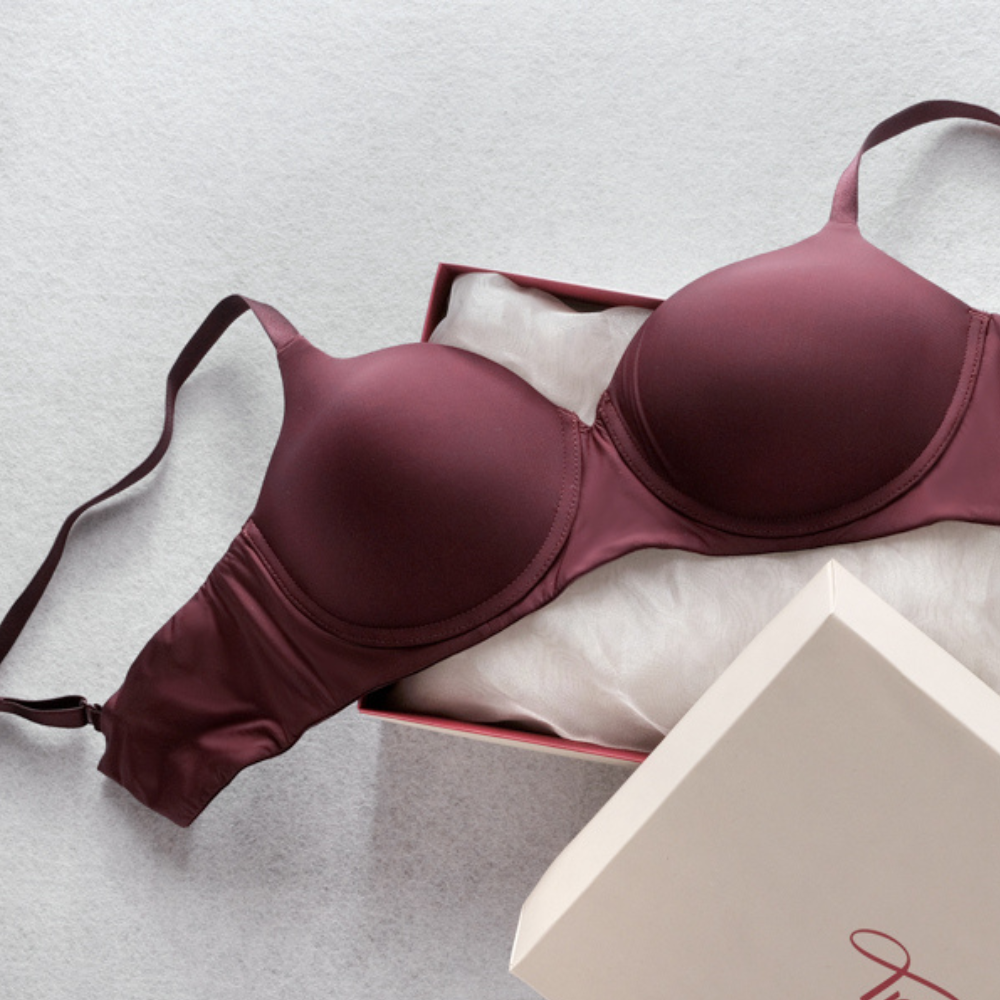
Price: Rs. 6,400
If you want a clean look under fitted kurtas or button-down shirts, this bra does the job. The Lycra fabric stretches well and contours smoothly to your skin.
You won't see cup lines through thin lawn or light cotton. That makes it a strong daily go-to for regular office wear.
It comes padded but without extra bulk. The cups shape your bust gently, so your blouse falls evenly across your chest.
This works best when you wear:
- Straight-cut kurtas
- Light chiffon dupattas
- Slim-fit office tops
If your workday includes long desk hours, the flexible fabric helps reduce stiffness. You get structure without feeling restricted.
T-Shirt Bra 60 WP – Lightweight, Wired & Padded
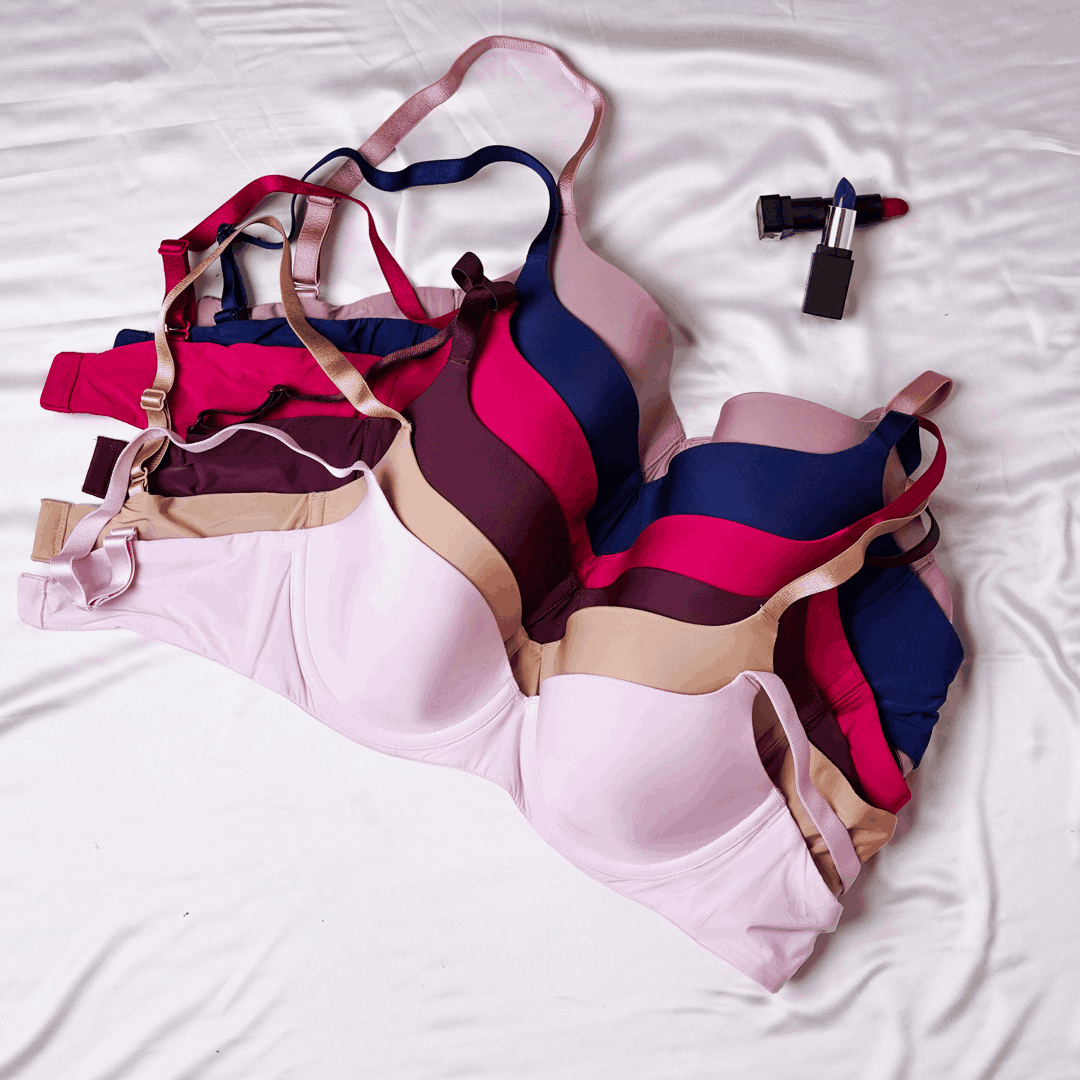
Price: Rs. 7,000
You choose this when you need extra lift and sharper shaping. The wired and padded design gives firm support, especially under fitted blouses or tailored shirts.
It feels soft and lightweight, so the wire does not dig into your ribs during the day. The cups sit smoothly and stay almost invisible under clothes.
This style works well with:
- Structured office kurtis
- Silk or satin shirts
- Formal blazers
If your office dress code leans more polished, this bra helps your outfit look neat. The padding adds definition without making your chest look heavy.
It suits medium to fuller bust sizes that need more hold during long work hours.
T-Shirt Bra 77 WDP – Versatile with Detachable Straps
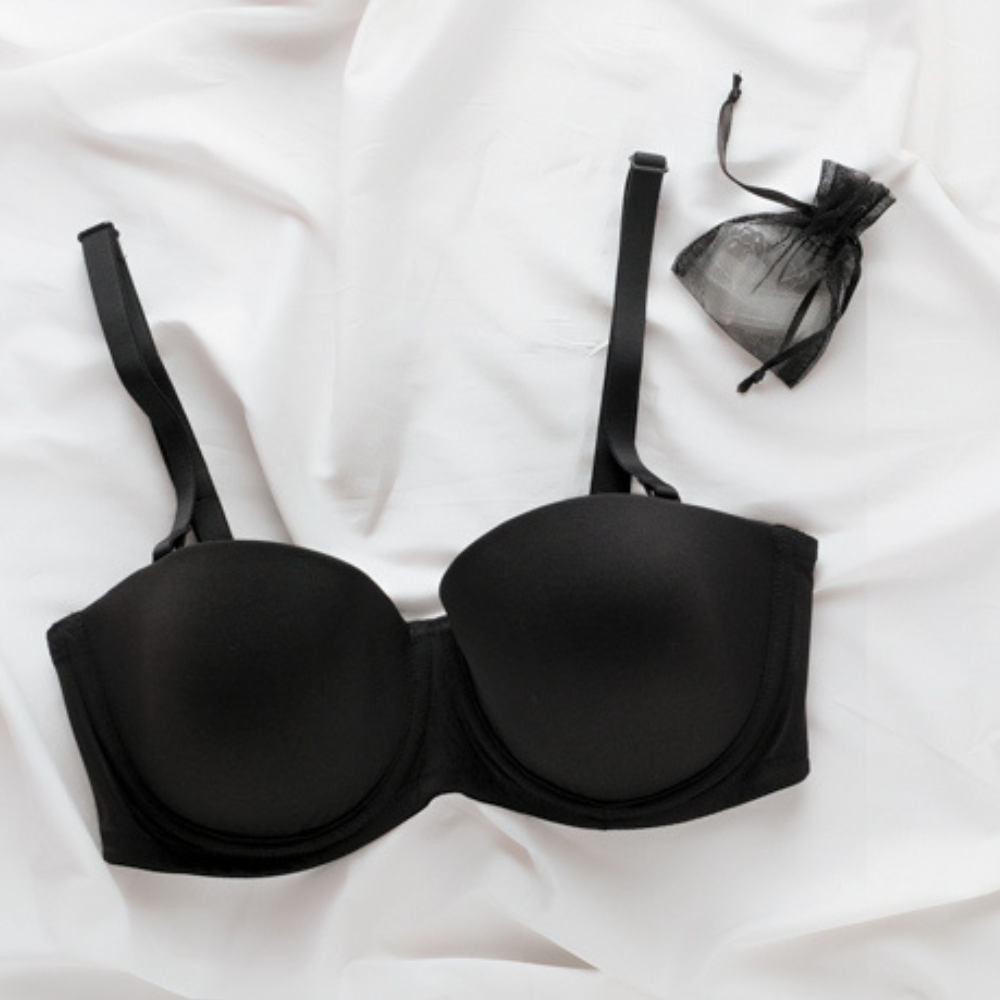
Price: Rs. 5,400
This wired, padded bra gives you smooth support with added flexibility. The detachable straps make it practical for different office outfits.
You can remove or adjust the straps when wearing:
- Halter-style blouses
- Off-shoulder formal tops
- Wide-neck kurtas
The cups create a no-lines finish, so even thin fabrics sit flat. That matters when you wear light summer lawn, which shows every seam.
The wire adds shape, but the overall design stays simple and no-fuss. You do not need to change bras for small outfit shifts during the week.
If your office wardrobe mixes traditional and modern pieces, this option gives you more range without buying separate styles.
T-Shirt Bra 77 WP – Everyday Classic Support
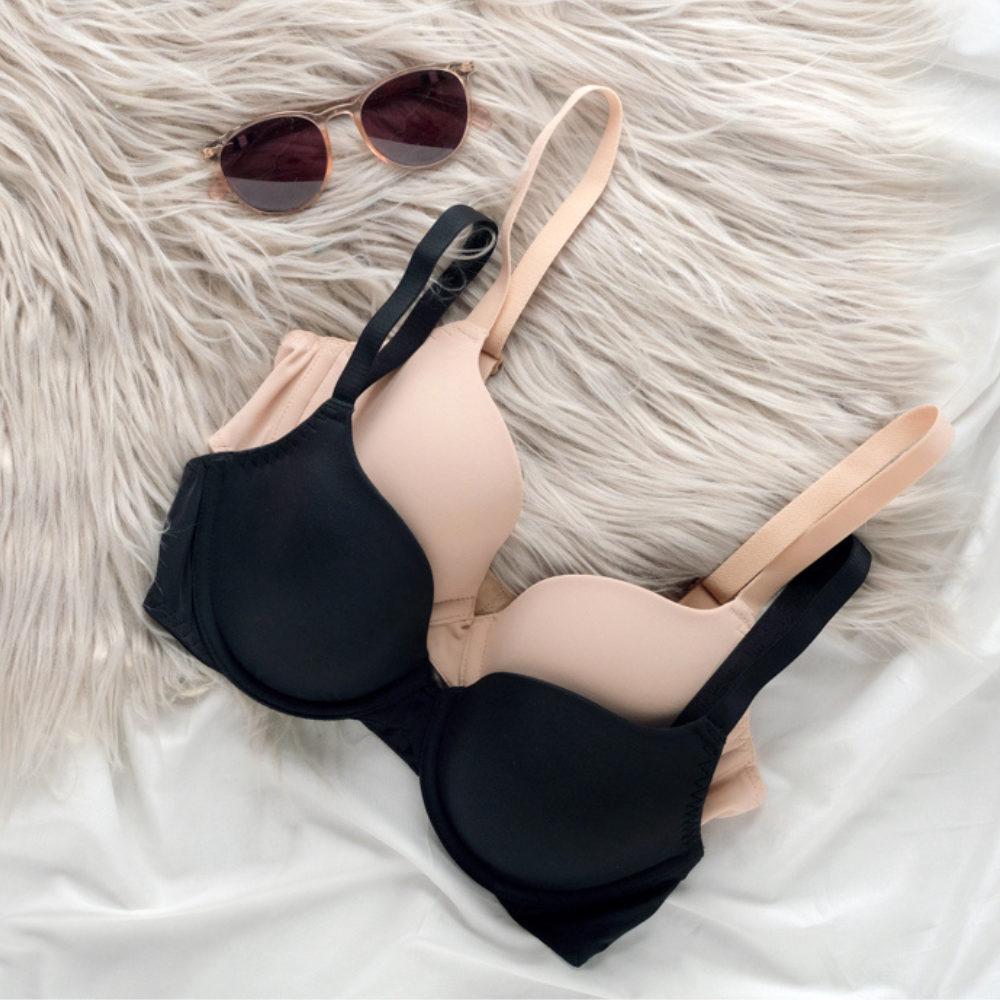
Price: From Rs. 4,080 (on sale)
If you want a balance between price and daily performance, this wired T-shirt bra makes sense. It offers classic padded support with a smooth outer finish.
You get steady lift without extreme push-up padding. That keeps your look natural under workwear.
It pairs well with:
- Cotton shalwar kameez
- Regular office uniforms
- Basic stitched kurtas
The structure helps prevent sagging during long hours. At the same time, it stays comfortable enough for daily wear.
Because it often comes at a lower sale price, you can rotate two or three in your weekly lineup. That keeps your office lingerie practical and budget-aware.
T-Shirt Bra 77 P – All-Day Non-Wired Comfort
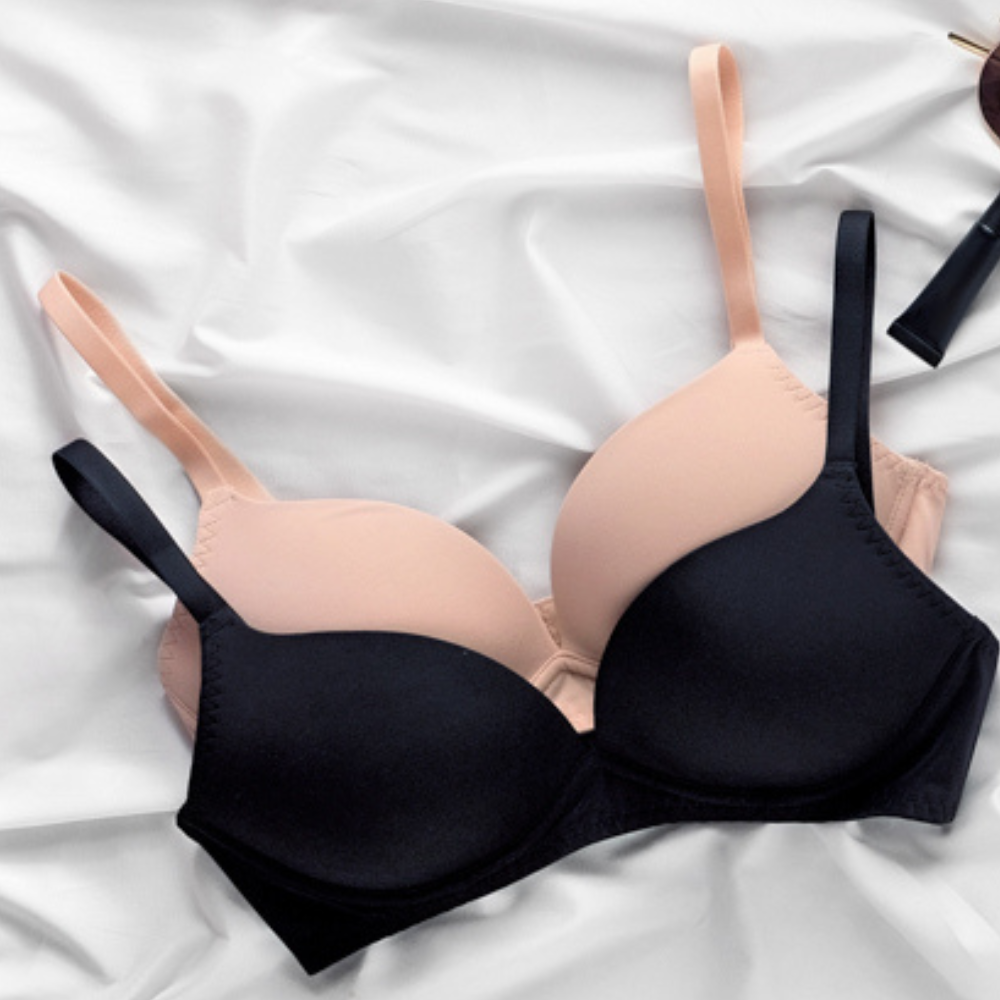
Price: Rs. 3,900
If you dislike underwire, this lightweight, non-wired option focuses on comfort. It supports you without metal framing around the cups.
You can wear it through long commutes, back-to-back meetings, and overtime shifts. The padding keeps your shape smooth under everyday outfits.
It works best for:
- Loose kurtas
- Everyday cotton suits
- Relaxed office settings
You will not get the same lift as a wired bra, but you gain ease of movement. For many women, that trade-off feels worth it during 8–10 hour workdays.
If comfort ranks higher than sharp structure in your office routine, this bra fits that need well.
Frequently Asked Questions
Office lingerie in Pakistan needs to handle heat, modest cuts, and lightweight fabrics like lawn and chiffon. You also need smooth lines under shalwar kameez and kurtis, which sit and move differently than Western suits.
What makes office-appropriate lingerie different in Pakistan compared to Western workplaces?
In Pakistan, you often wear shalwar kameez, long kurtis, or loose co-ord sets instead of fitted blazers and pencil skirts. These outfits use thinner fabrics and softer shapes, so visible seams and bold colors show more easily.
Modesty also plays a bigger role. Lower necklines, sheer sleeves, and light dupattas mean you need fuller coverage bras and slips that prevent show-through.
Heat matters too. Summers get very hot, so breathable cotton bras and sweat-absorbing camisoles work better than heavy padded styles.
How can I choose lingerie that stays invisible under shalwar kameez, kurtis, and lawn fabrics?
Match your lingerie color to your skin tone, not just your outfit. A nude bra close to your skin blends better under white or pastel lawn than a white bra.
Pick seamless or lightly lined bras with smooth cups. Avoid lace, thick embroidery, and raised patterns because they create texture under thin fabric.
Wear a simple full slip or half slip under light kurtis. It adds coverage and reduces cling without changing how your outfit looks.
What counts as unprofessional undergarments at work, and how can I avoid wardrobe malfunctions?
Bright straps showing at the shoulder look careless in most offices. So do bras that gap, dig in, or create bulges under fitted kameez.
Sheer fabrics without a proper inner layer can expose more than you expect in sunlight. Test your outfit near a window before leaving home.
Check your fit every few months. If your bra rides up or your shalwar becomes see-through when you sit, replace the item.
How do I handle modesty and comfort in hot weather without sacrificing support at the office?
Choose cotton or moisture-wicking bras for daily wear. They absorb sweat and feel lighter in humid weather.
Go for non-padded or lightly padded styles with full cups. They give support without adding bulk.
You can also wear a thin cotton camisole under sheer lawn. It adds modesty and helps control sweat without trapping too much heat.
Can I wear Western-style lingerie under Pakistani office outfits without it showing through?
Yes, but you need to be selective. A smooth T-shirt bra works well under most kurtis if it matches your skin tone.
Avoid push-up bras with thick padding under soft fabrics. They can change the natural fall of your kameez.
Skip bold lace bralettes unless your outfit fully covers them. Many Pakistani office outfits use light fabrics that make texture visible.
What’s the 3-3-3 rule for building a simple work wardrobe that still feels put-together?
Pick 3 neutral suits or kurtas in colors like black, navy, beige, or white. These form your base.
Add 3 coordinating bottoms, such as straight pants or shalwar in matching tones. Make sure they mix easily with your tops.
Finish with 3 layering pieces, like a light dupatta, structured shawl, or simple blazer. With the right nude lingerie underneath, you can rotate these nine pieces into many work-ready outfits.
Dressing for Local Realities, Not Borrowed Advice
Western workwear guides are often built around different climates, fabrics, and dress codes, which is why they rarely address what Pakistani working women actually need. Layered clothing, warmer weather and longer working hours all call for lingerie choices that prioritize breathability and all day comfort.
Instead of following advice that was not made with your routine in mind, look for pieces suited to local fabrics, coverage needs and daily wear. Choosing lingerie that matches your actual lifestyle makes getting dressed for work simpler and far more comfortable.