

Do Bras Expire? How Long Unworn Lingerie Lasts
You pull an old bra out of a drawer, and it looks brand new. Never worn more than a handful of times. So, is it still good, or has time quietly worked against it?
Bras do not expire the way food does, but the materials inside them, like elastane, foam, and glue, can weaken over months or years in storage even if the bra never touched your skin.
That means age alone does not tell you whether a bra is still safe to wear. Condition does. A five-year-old bra stored flat in a cool closet might have more life left than a one-year-old bra that got crushed in a hot attic bin.
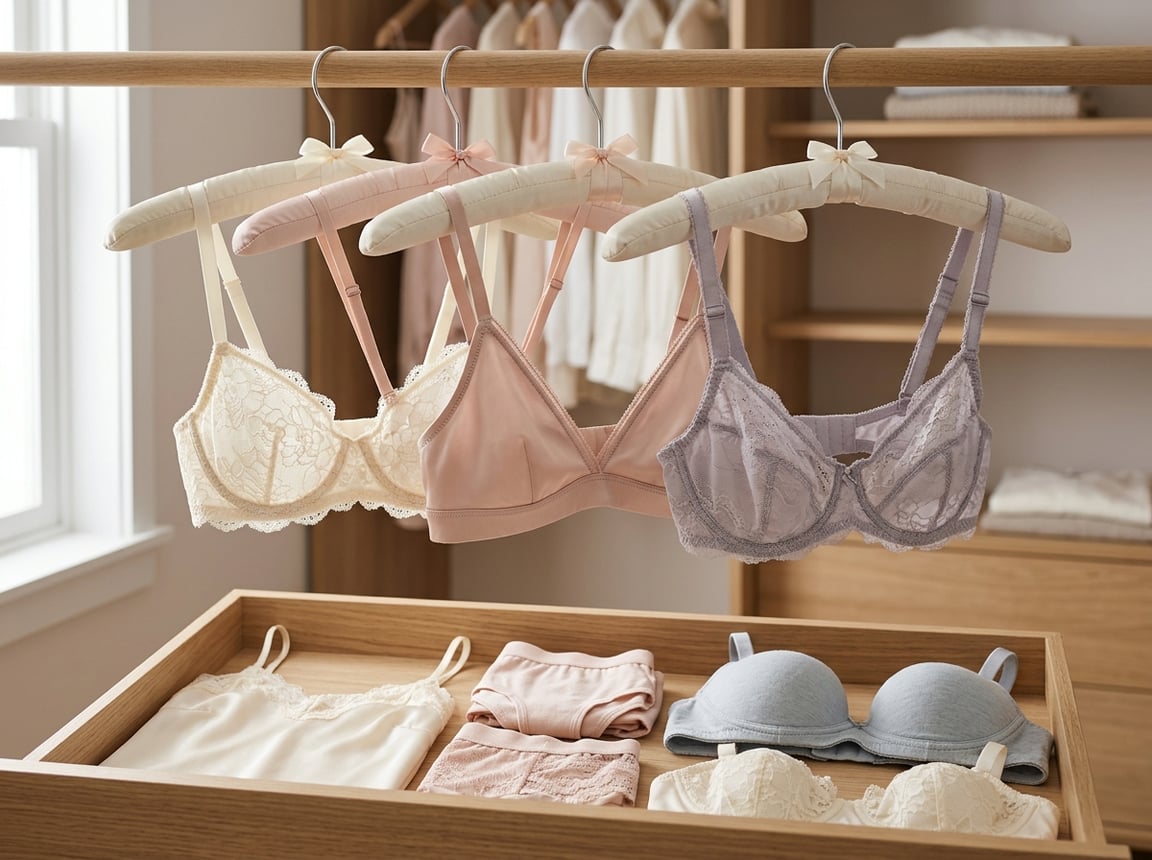
This matters if you are staring at a drawer full of barely worn lingerie and wondering whether you need to toss it all and start over. You do not. A little inspection tells you far more than the date on a receipt ever could, and most of your forgotten bras are probably still perfectly wearable.
Why Calendar Age Alone Is a Poor Test
A bra's birthday does not predict its condition; how it was stored and what it is made of matter more. Two bras bought the same week can age at completely different rates depending on humidity, sunlight, and how tightly they were packed.
Why Unworn Bras Can Still Deteriorate
Even bras that sit untouched in a drawer are made of materials that break down on their own timeline. Elastane, the stretchy fiber blended into most bra bands and straps, slowly loses elasticity through a natural process called oxidation, even without being stretched. Foam cups can also dry out or stiffen, and adhesives holding seams or padding in place can weaken with age.
Wear-Related Lifespan vs. Storage-Related Aging
Regular wear and storage aging are two separate clocks. A bra worn several times a week typically holds up for six to twelve months before the elastic starts to fade. An unworn bra faces a slower, quieter kind of wear: heat, humidity, and time working on the fibers themselves rather than friction and stretching.
How Long Can an Unworn Bra Remain Usable?
A bra stored well in a cool, dry spot can often remain usable for several years, though the exact window depends on fabric quality and storage conditions. Cheaper elastane blends tend to degrade faster than higher-grade stretch fabrics, even sitting still. Checking the physical signs, covered in the inspection section below, tells you more than counting years ever will.
What Makes Lingerie Break Down in Storage?
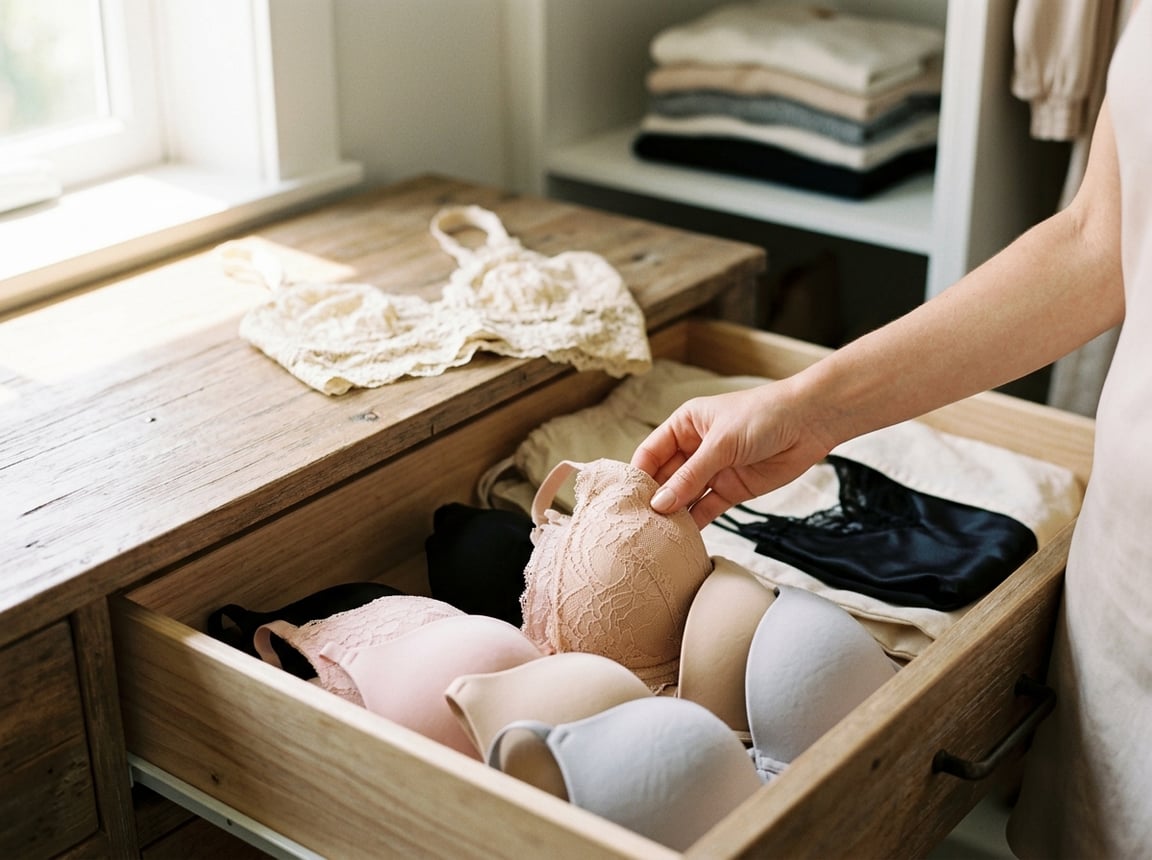
Heat, humidity, sunlight, and poor storage habits are the real culprits behind aging bras, not the passage of time by itself. Knowing what damages elastic, foam, and fabric helps you protect the bras you already own.
Heat, Humidity, and Sunlight
Warm, humid spaces speed up elastane breakdown far faster than cool, dry ones. Attics, garages, and closets near heating vents are some of the worst spots for long-term lingerie storage. Sunlight adds another layer of damage, fading colors and weakening fibers in fabrics left near a window.
Elastic Degrading in Storage
Elastic degrades even when a bra just sits folded in a drawer, because elastane fibers slowly lose their stretch and recovery over time. This process, sometimes called elastic fatigue, happens whether or not the bra is ever worn. Bras stored tightly bundled or folded under heavy stacks tend to lose elasticity faster than ones stored loosely and flat.
Foam, Adhesives, and Delicate Fabrics
Padded bras rely on foam cups and adhesive bonding that can dry out, yellow, or separate after long storage. Once foam loses its springiness, it tends to stay flattened instead of bouncing back. Delicate fabrics like lace or mesh are especially prone to snagging or yellowing when stored folded against rough surfaces or exposed to light, something covered in more detail in these lace bra care tips.
How to Check Whether an Older Bra Is Still Good
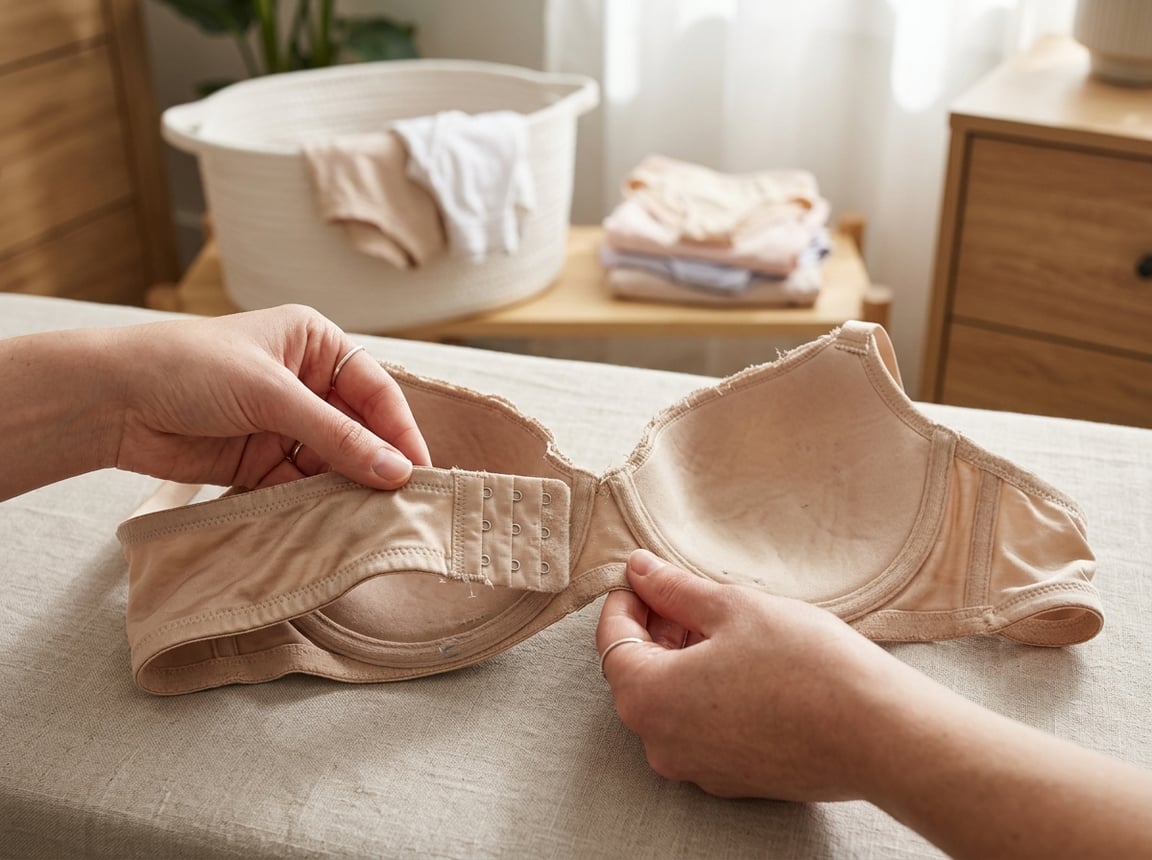
A hands-on check of the band, cups, fabric, and underwire tells you far more than the bra's age. Running through a simple checklist takes a couple of minutes per bra and gives you a clear keep-or-toss answer.
Test the Band and Strap Recovery
Stretch the band gently and watch how quickly it springs back into shape. Good band elasticity means it snaps back close to its original size within a second or two. If it stays stretched out, loose, or wavy, the elastic has likely lost its recovery, a common sign in older bras and one worth checking on wireless bras and minimizer bras too, since their support relies heavily on the band.
Inspect Cups, Fabric, and Fastenings
Check foam cups for stiffness, flattening, or yellowing, since these are signs the padding has aged past its useful life. Run a finger over the fabric to feel for thinning, pilling, or fraying, especially around seams. Test hooks, eyes, and clasps to confirm they still hold snugly instead of slipping loose.
Check Underwires and Their Channels
Gently press along both underwires to confirm they stay flat and smooth inside their channel. Underwire integrity matters because a wire that has shifted, twisted, or poked through the fabric can dig into skin and cause real discomfort. If the channel fabric has worn thin or torn, the wire is more likely to escape with wear.
When to Throw Away Old Bras
Toss a bra when the band no longer springs back, the underwire pokes through, or the cups have visibly lost their shape despite gentle handling. A bra with only minor fading or a small loose thread might still be worth keeping. For a fuller signs-based breakdown, this guide on when to replace your bra walks through the most common replacement triggers.
How to Store Bras Properly for a Longer Life
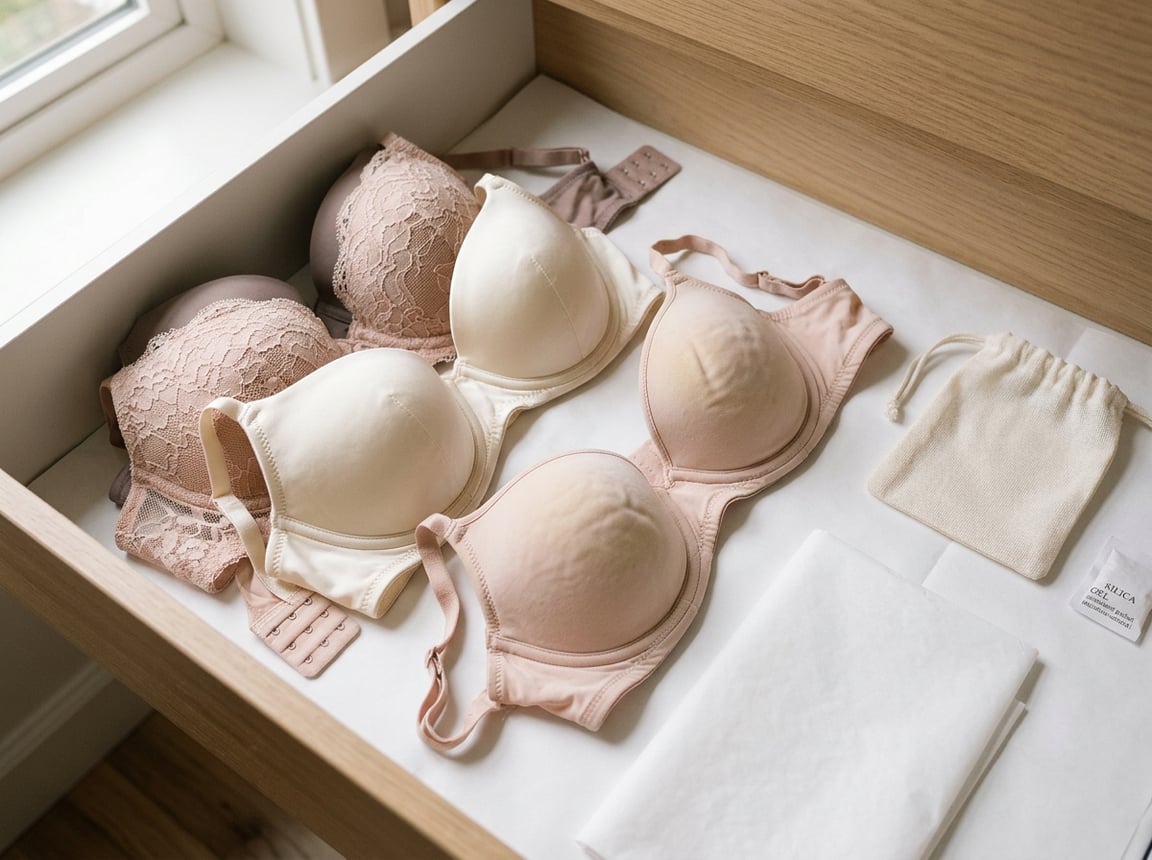
Storing bras flat, in a cool and dry spot, and without crushing the cups keeps elastane and foam in better shape for years. Small habit changes now protect the bras you plan to keep in storage or rotation.
Store Molded and Padded Cups Without Crushing Them
Nest padded or molded cups inside each other rather than folding them flat or stacking heavy items on top. Crushed cups can develop permanent creases or dents in the foam. A drawer with enough room for bras to sit upright, cup to cup, protects their shape far better than a packed pile.
Give Elastic Fabrics a Cool, Dry Home
Keep bras away from heat sources, humidity, and direct sunlight, since all three speed up elastane breakdown. A closet or drawer at room temperature works better than an attic, garage, or sunny windowsill. Skip the dryer entirely, since Victoria's Secret warns that dryer heat breaks down elastic and can cause dimpling in padding.
Build a Rotation That Reduces Stress on Each Bra
Rotating between several bras instead of relying on one gives each bra time to rest and regain its shape between wears. This rotation habit also slows down wear-related aging, since no single bra bears the full weight of daily use. For drawer setups that make rotation easier, this guide on organizing your lingerie drawer offers practical layout tips.
Let Comfort and Support Decide What Stays
Comfort, fit, and support should guide every keep-or-toss decision, not the number of years a bra has been sitting in a drawer. If a bra still holds its shape, fastens securely, and feels good on your body, there is no reason to retire it early. Bra lifespan varies so much by material and storage that a strict age cutoff would be misleading anyway.
Watch for the concrete signs a bra has gone bad rather than worrying about a calendar date. A band that no longer snaps back, an underwire poking through, or cups that have permanently flattened are the real signals it is time to let go. Short of those, a bra that still does its job is worth keeping in rotation.
Frequently Asked Questions
Do bras expire if they are never worn?
Bras do not have a fixed expiration date, but the materials inside them, especially elastane and foam, can weaken over time even without being worn. Heat, humidity, and sunlight speed up this aging process during storage. A well-stored unworn bra often stays usable far longer than one left in poor conditions.
How long do bras last unworn in a drawer?
An unworn bra stored in a cool, dry spot can often remain wearable for several years, though the exact timeline depends on fabric quality and storage conditions. Cheaper elastane blends tend to degrade faster than higher-grade stretch fabrics. Checking the band's elastic recovery and the foam's firmness gives a more reliable answer than counting years.
Can old bra elastic be restored after it has stretched out?
Stretched elastic generally cannot be restored to its original tightness once elastane fibers have lost their recovery. A band that no longer snaps back after a gentle stretch test is a sign the elastic has aged past repair. At that point, the bra is better suited for light lounging wear or replacement.
Is it safe to wear a bra with an exposed underwire?
Wearing a bra with an exposed underwire is not comfortable and can dig into skin or poke through fabric further with movement. It is worth retiring or repairing that bra rather than risking irritation. A quick check of the underwire channel during inspection usually catches this issue before it worsens.
How should I store padded bras, so the cups do not lose shape?
Nest padded bra cups inside each other and store them upright in a drawer instead of folding them flat or stacking items on top. This keeps foam cups from developing permanent creases or dents. Keeping padded bras away from heat and humidity also helps the foam hold its shape longer.
When should I throw away an old bra?
Throw away a bra when the band no longer springs back after stretching, the underwire has worked its way through the fabric, or the cups have lost their shape despite careful storage. Minor fading or small loose threads do not necessarily mean a bra is done. For washing habits that extend a bra's life before it reaches that point, this guide on how often to wash your bra offers useful groundwork.
Conclusion
Bras do not expire the way food does, but their elastic, wires and fabric do lose shape and support over time. Even unworn lingerie stored for years can lose its stretch and structure. Knowing the signs of a worn-out bra helps you replace it before comfort and support suffer.
Proper storage, like keeping bras flat or gently folded away from heat and moisture, helps them last longer. Rotating your bras and avoiding daily wear of the same one also slows wear and tear. Check out our lingerie care guide for more tips on keeping your bras in top shape.