

Can PCOS or Hormonal Weight Changes Affect Your Bra Size?
If your bra suddenly feels tight around the ribs or the cups gape where they used to fit snug, you are not imagining things.
PCOS does not reliably change your bra size on its own, but the hormonal imbalance behind it, along with weight shifts that often come with it, can absolutely change how your band and cup fit. That distinction matters, because it changes what you should actually do about it.
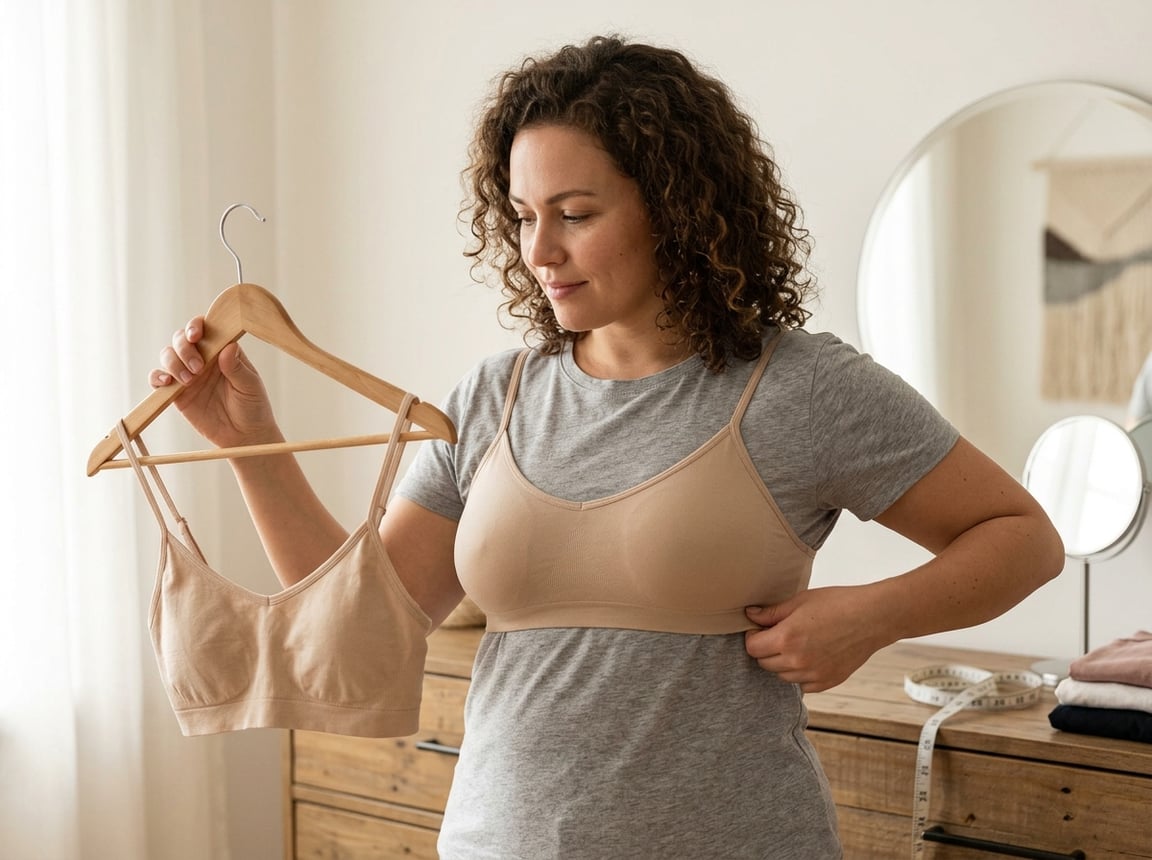
A lot of women with PCOS notice their breasts feel fuller some months and smaller the next, or that their favorite bra suddenly digs in at the band.
This is confusing, especially when nothing else about your routine has changed. Sorting out what is hormonal, what is weight-related, and what simply means you need a bra refitting can save you from months of discomfort and wasted shopping.
For women in Pakistan shopping online for bras, this gets trickier still. Local size charts vary between brands, imported and local sizing rarely line up, and many first-time buyers are guessing based on international guides that were never made with local bodies in mind.
Why Hormones, Weight, and Breast Tissue Can Change Bra Fit
Breast tissue responds to hormone levels, so shifts in estrogen, progesterone, and androgens can change how full or tender your chest feels, even when your actual bra size stays the same.
PCOS causes a hormonal imbalance that raises androgen levels, and this can influence breast tissue growth, density, and sensitivity in ways that are different from ordinary monthly fluctuation.
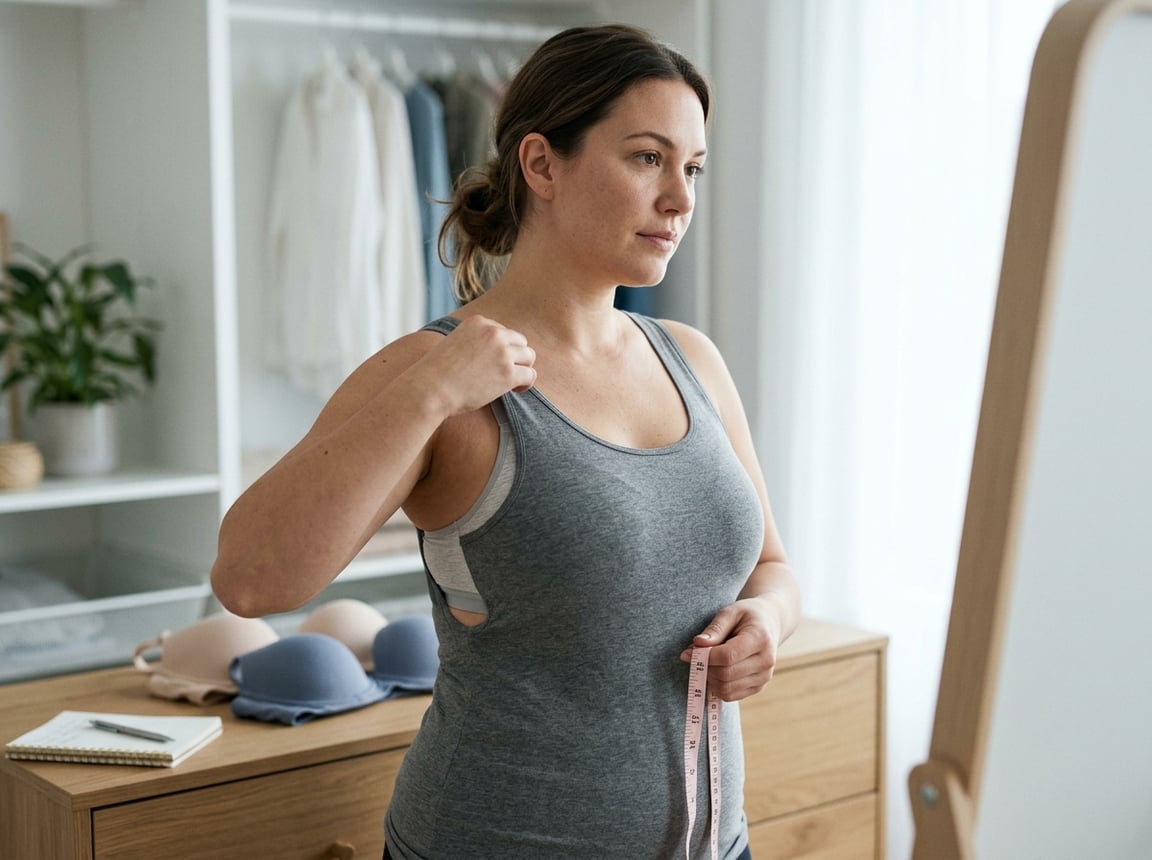
What PCOS Can and Cannot Explain About Breast Changes
PCOS is not a direct or guaranteed cause of a bigger or smaller cup size. The hormonal imbalance it creates can affect breast tissue indirectly, through insulin resistance, weight changes, and shifts in the estrogen-to-progesterone ratio, but it does not automatically mean your breasts will grow or shrink.
Research on PCOS breast changes explains that excess androgen production can actually suppress mammary tissue growth in some women, which is the opposite of what many people expect from a "hormonal" condition.
This is why two women with PCOS can have completely different breast changes: one may notice fullness, another may notice her breasts feel smaller or less dense, as described in this overview of PCOS breast changes and physical effects.
How Hormonal Imbalance May Affect Fullness and Tenderness
Rising progesterone and estrogen levels prepare breast tissue for changes tied to your cycle, and this can cause swelling, soreness, or a fuller feeling before your period. With PCOS, irregular cycles mean this tenderness and fullness can show up unpredictably instead of on a steady monthly pattern.
Some women with PCOS also develop fibrocystic changes, small fluid-filled cysts that can make breasts feel lumpy or tender. Women with PCOS are 52% more likely to experience these fibrocystic breast changes compared to women without the condition.
Why Breast Tissue Changes Do Not Always Mean a Size Change
Tenderness or fullness does not always mean your actual cup size has changed. A bra can feel tighter for a few days simply because tissue is swollen or sensitive, then go back to its usual fit once hormone levels settle.
This is worth remembering before you buy a whole new set of bras. If the tightness comes and goes with your cycle, it is likely temporary. If it stays for weeks or months, that points more toward a real fit change worth measuring for.
How Weight Gain or Loss Affects Band and Cup Size
Weight change affects your band and cup size differently, because breasts are made of both fatty tissue and glandular tissue, and the ratio of the two varies from woman to woman. This is part of why weight fluctuation can shift your bra fit unevenly, sometimes changing the band more than the cup, or the other way around.

How Weight Gain Affects Bra Size
Weight gain adds fat around the ribcage and chest wall, which usually widens the band size first. Because women with PCOS often carry weight around the abdomen due to androgen-driven fat storage, as explained in this breakdown of PCOS and weight gain causes, the effect on band size can be more noticeable than the effect on cup size.
Cup size can grow too, since fatty tissue makes up part of breast volume. But the amount varies a lot depending on your individual breast composition.
Band Size vs. Cup Size: What Actually Changes?
Band size measures your ribcage, just under the bust. Cup size measures the fullest part of your bust and compares it to the band measurement.
Weight change on the ribcage tends to move the band size up or down first. Cup size shifts depend more on how much of your breast tissue is fat versus glandular tissue, which is one reason two women who gain the same amount of weight can end up needing very different new sizes.
Why Bra Size Changes with Weight Fluctuation Can Be Uneven
Weight fluctuation rarely changes band and cup size at the same rate. You might drop a band size while your cup size barely moves, or notice your cups feel fuller while the band still fits fine.
This uneven shift is completely normal. It is also why guessing a new size based on your old one or based on how much weight you have gained or lost, often leads to the wrong fit.
How Do You Know You Need a New Bra Size?
You likely need a new bra size if the band rides up at your back, straps dig in and leave marks, or the cups gape or spill over. These signs show up gradually, so many women keep wearing an ill-fitting bra for months without realizing how much it is affecting comfort.
Signs Your Bra Is Too Tight
A too-tight bra usually leaves red marks on your shoulders or ribcage that do not fade quickly. The band may also feel like it is squeezing rather than gently hugging, and you might feel breast tissue bulging out at the top or sides of the cup.
If you find yourself constantly adjusting the band or loosening the hooks after an hour, that is a clear sign the size is off.
Signs You Need a New Bra Size After Hormonal or Weight Changes
Watch for a band that used to sit flat but now rides up, or cups that gape at the top even when the band fits well. According to this guide on why bra size changes over time, even a few pounds of weight change can shift both band and cup fit, so it is worth re-measuring rather than assuming your old size still works.
How to Measure Your Bra Size Yourself
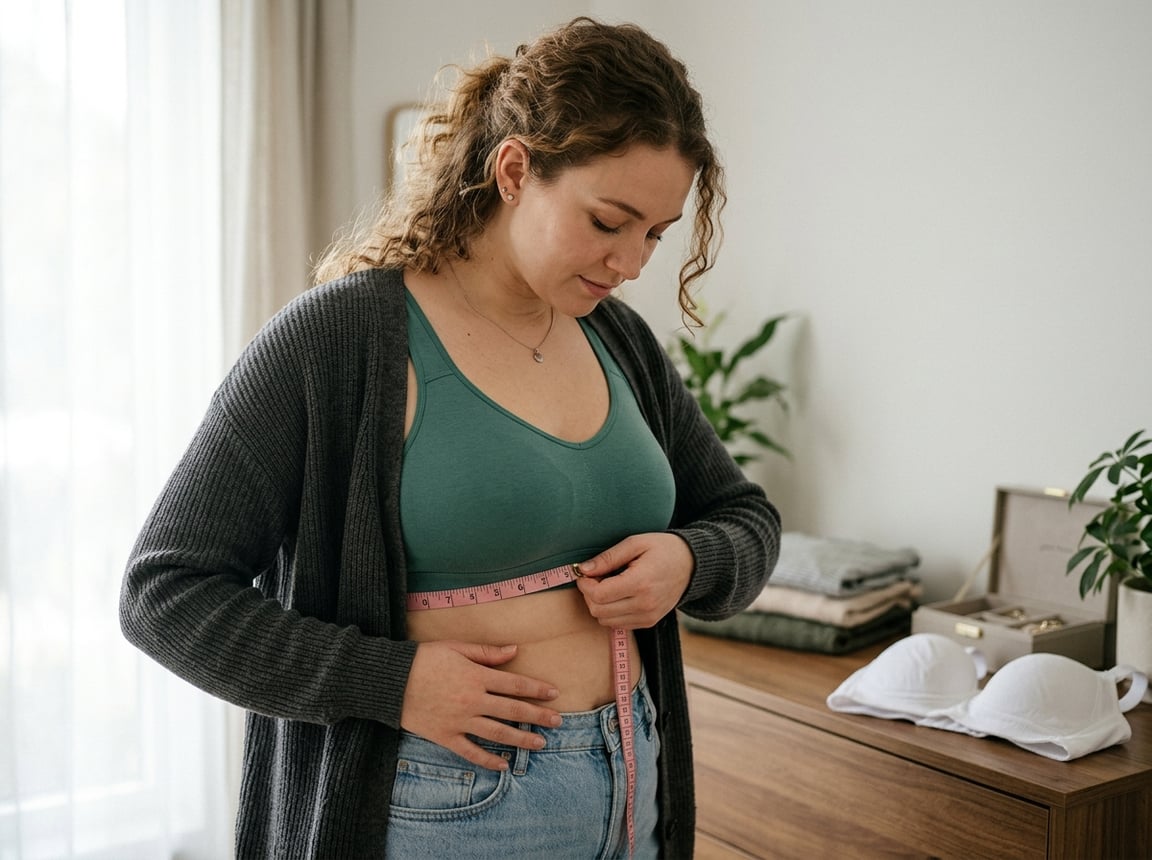
You can measure your own bra size at home with a soft tape measure.
- Measure snugly around your ribcage, just under your bust, for your band size.
- Measure around the fullest part of your bust, without compressing tissue, for your bust measurement.
- Subtract the band measurement from the bust measurement. The difference in inches roughly corresponds to a cup size.
Measure standing straight, wearing a bra with little to no padding, and check both numbers again if your weight has shifted in the past few months.
Why the "80% of Women Wear the Wrong Bra Size" Claim Needs Context
You will often see the claim that 80% of women wear the wrong bra size, though the actual research behind similar figures varies. One study on breast size and bra fit found that around 70% of women in the sample wore bras that were the wrong size or poorly fitted.
The exact number matters less than the pattern it points to most women are overdue for a proper bra refitting, especially after weight or hormonal changes.
Which Bras Feel More Comfortable While Your Size Is Changing?
A wireless comfort bra is often the easiest choice while your size is settling, because it flexes with small changes in fullness without the pressure points an underwire can create. This matters more when your weight or hormone levels are shifting, since a rigid wire can dig in painfully if your cup size moves even slightly.
When a Wireless Comfort Bra Makes Sense
Wireless bras work well during weeks when your breasts feel tender or fuller than usual, since there is no wire pressing against sensitive tissue. They are also a practical everyday option if your size tends to shift with your cycle or with ongoing weight changes tied to PCOS.
Choosing Breathable Support for Pakistan's Heat and Humidity
Breathable, lightweight fabric matters just as much as the right size in Pakistan's climate. A cotton-blend or moisture-wicking wireless bra sits more comfortably under lawn and chiffon in summer and avoids the itching or chafing that heavier synthetic fabrics can cause in humid weather.
Finding a Flexible Fit for Plus-Size and Full-Bust Bodies
A proper plus-size fit and size guide helps you find wider bands and deeper cups built for real support, not just a scaled-up version of a smaller bra. Full-bust bodies need wider straps and sturdier band construction to avoid the digging-in feeling that thin straps cause, especially under fitted formal outfits.
A Better Fit Starts with Checking Your Size Again
Your bra size is not fixed for life, and PCOS or weight changes are common enough reasons for it to shift that there is no need to feel caught off guard. The band usually reacts to weight change first, cup fullness can shift with hormone levels, and both can move unevenly rather than together.
The most useful habit is simple: re-measure every few months, and definitely after any noticeable weight change or a stretch of hormone-related symptoms. A five-minute measurement at home tells you more than guessing from your last known size ever will.
If you are shopping online from Pakistan, remember that local and international size charts do not always match. Check the specific brand's chart before ordering, especially if you are choosing cash on delivery and want to avoid the hassle of returns.
If you ever notice a new lump that does not go away, unusual nipple discharge, skin changes on the breast, or a change in only one breast that you cannot explain, it is worth getting checked by a doctor.
Frequently Asked Questions
Can PCOS make my bra size go up or down?
PCOS itself does not directly change your bra size in a predictable way. The hormonal imbalance it causes can affect breast tissue and weight, which in turn can shift your band or cup size, but the effect is different for every woman.
Does hormonal weight gain increase cup size or band size first?
Band size usually changes first, since weight gain adds fat around the ribcage. Cup size can grow too, but how much depends on your individual ratio of fatty to glandular breast tissue.
How often should I measure my bra size if my weight fluctuates?
Re-measure every few months, and always after a noticeable weight change of more than a few kilograms. If your PCOS symptoms or hormone levels are especially unpredictable, checking every three to four months keeps you ahead of a poor fit.
Can birth control or PCOS medication change how my bras fit?
Yes, hormonal medications used for PCOS, including birth control pills, can affect fluid retention and breast tenderness, which may change how a bra feels even without a true size change. If a new medication seems to be affecting your breast comfort, mention it to your doctor at your next visit.
When should breast size changes be checked by a doctor?
See a doctor if you notice a new lump, nipple discharge, skin changes, or a change in only one breast without a clear cause like weight change. The NHS overview of PCOS symptoms and diagnosis is a helpful starting point if you suspect PCOS is behind broader symptoms, but any persistent or unusual breast change deserves its own medical check.
Conclusion
PCOS and hormonal weight changes can genuinely affect your bra size over time, and that is completely normal. Fluctuations in weight, breast tissue and band fit often mean your old size no longer feels right. Recognizing these changes early helps you avoid discomfort and poor support.
Instead of forcing an old bra to fit, take a fresh measurement and choose styles that adapt to your body's changes. Wireless and softer band options can offer comfort during these hormonal shifts. Browse our wireless bra collection for supportive, adjustable options that grow with you.