

What's the Difference Between a Bra and a Bralette?
Bras and bralettes both go in your underwear drawer, but they're not the same thing. A bra has underwired and padding for more support and shape, while a bralette is softer, wire-free, and made for comfort over structure. If you've ever grabbed the wrong one for the wrong day, you know the difference matters.
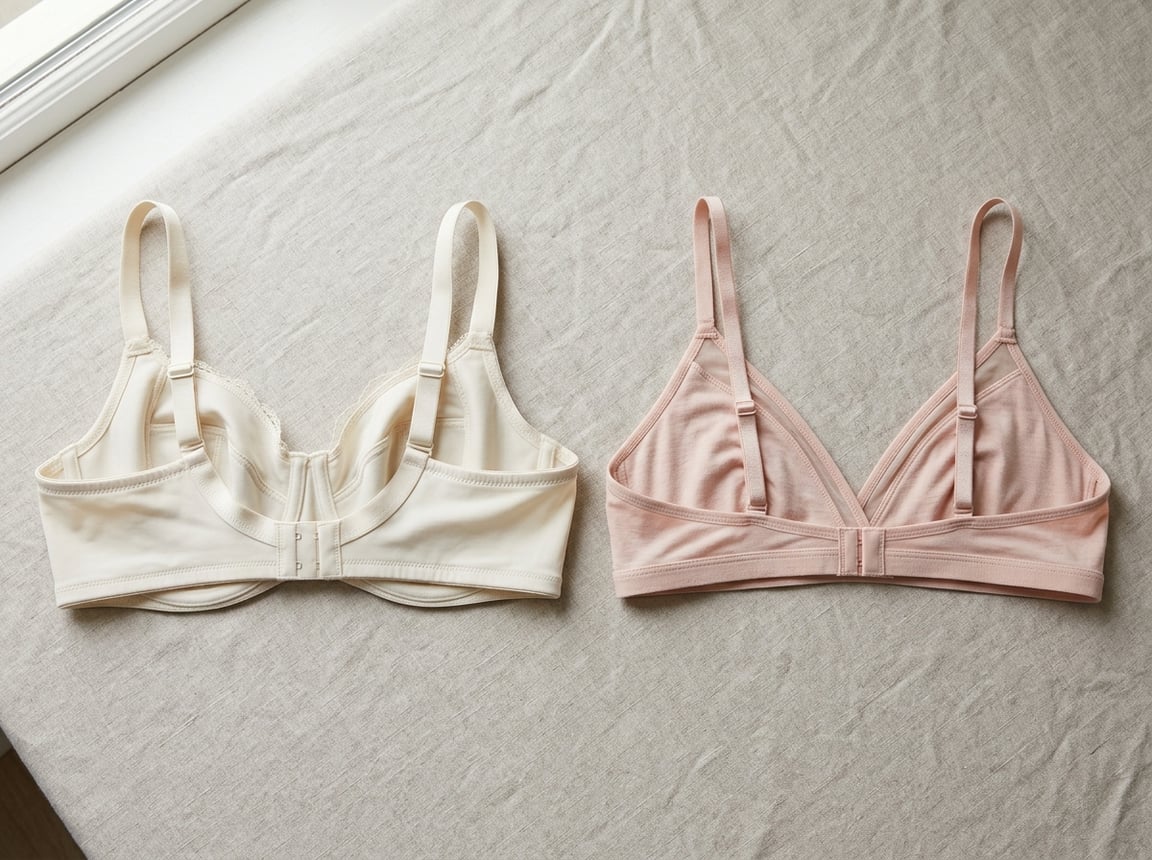
Shopping for women's bras can feel like a maze with all the styles out there. Knowing the bra vs bralette difference helps you pick the right one for your body and your day, whether that's a workday, a workout, or a lazy Sunday.
This guide breaks down the bralette vs regular bra debate in plain terms. You'll learn what sets them apart, the pros and cons of each, and how to figure out which one fits your comfort level and your lifestyle.
The Quick Answer: Structure, Support, and Shape
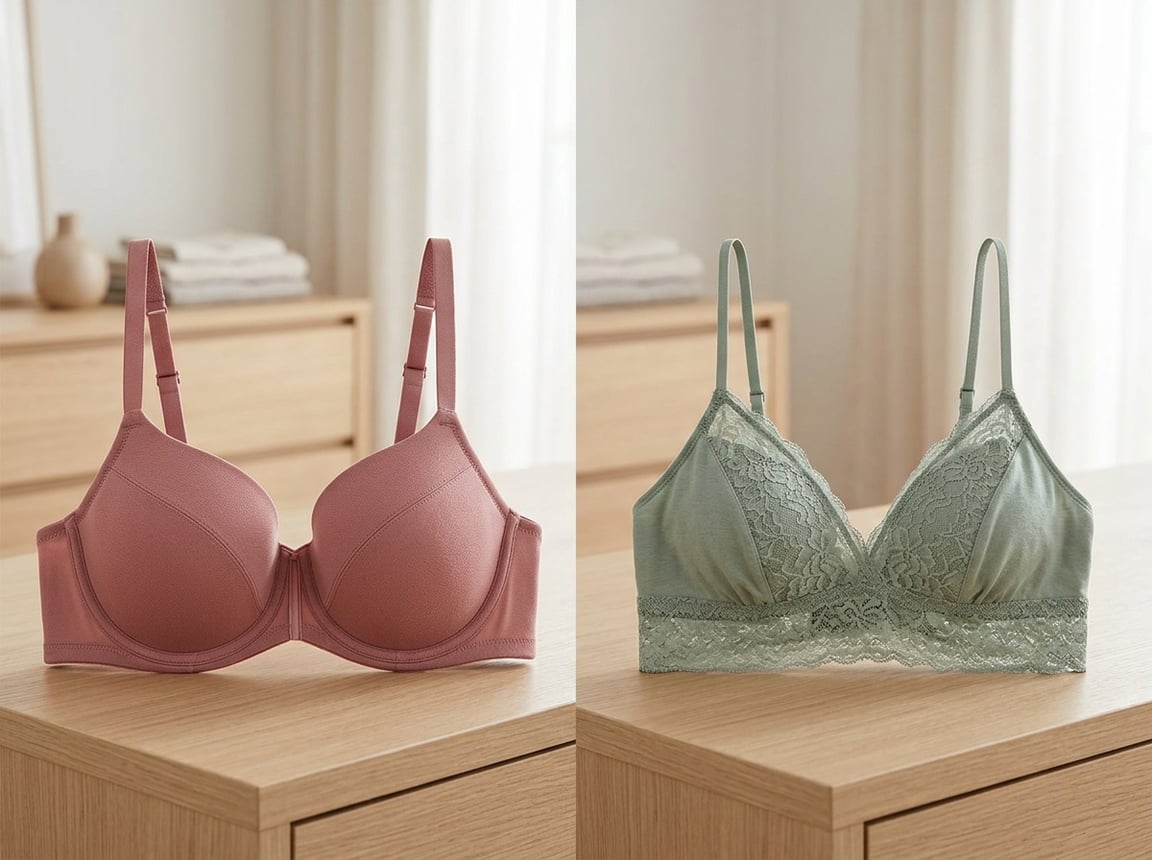
Here's the short version. A bra usually has underwire, padding, and hooks to give you shape and lift, while a bralette skips most of that for a softer, more relaxed feel.
How Traditional Bras Are Built
A traditional bra is built with structure in mind. You'll usually find underwire that curves under your bust, molded or padded cups, and adjustable straps.
Most also have a hook-and-eye closure in the back, which lets you adjust the band as needed. This setup helps distribute breast weight across your chest and shoulders, which is why bras with underwires can poke into the skin if they don't fit right.
Bras use a band-and-cup sizing system (like 34B or 36C), so you can get a more precise fit. This makes bras your go-to pick for professional outfits, structured tops, or times when you want extra lift and shaping.
What Makes a Bralette Different
So what is a bralette, exactly? It's an unstructured bra that skips the underwire and heavy padding you'd find in a traditional bra.
Bralettes are often made from soft, stretchy fabric like lace, cotton, or mesh. Instead of hooks, many pull on over your head, and instead of band-and-cup sizes, they come in regular clothing sizes like small, medium, or large.
This makes bralettes comfy for everyday wear, especially if you have a smaller bust or just want a break from wires. They're not built for heavy-duty support, but they still give you light coverage and a natural shape under looser tops.
The Middle Ground: Wireless Bras
If you like the idea of skipping wires but still want more support than a bralette gives you, wireless bras might be your answer. These sit between a full bra and a bralette.
You'll usually get a soft cup bra design here, meaning the cups are padded or lined but don't have any wire inside them. This gives you shape without the poking or digging you might get from underwire.
When you compare a wireless bralette vs padded bra, the padded version usually has more structure, like seams or molded cups, while a wireless bralette stays soft and stretchy all around. Both options give you wire-free comfort, just with different levels of shaping.
How Support and Comfort Compare
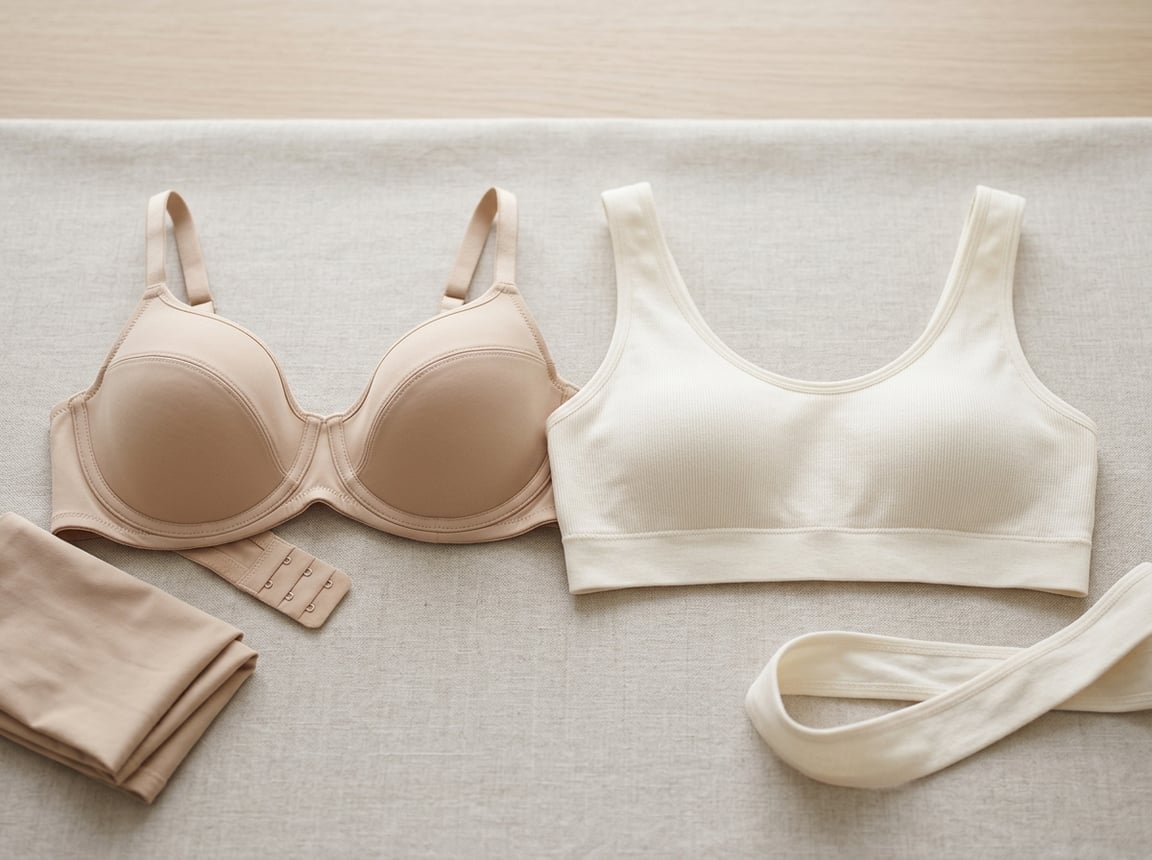
Support and comfort don't always go hand in hand, and that's the real trade-off you're making when you pick a bra or a bralette. Bands, straps, cups, and wire all play a role in how much lift you get, and fit matters just as much as the style you choose.
Are Bralettes Supportive Enough?
So, are bralettes supportive? It depends on your size and what you need. If you're an A or B cup, a bralette can give you enough coverage for everyday wear.
But if you're a C cup or above, a basic bralette might not hold you the way you want. Bralettes are generally considered less supportive than a traditional wire bra, especially thin, lacy styles.
That said, some bralettes now use thicker straps and stretchier fabric to boost support. If you want the bralette feel but need more hold, look for one with a wider band or extra spandex.
How Bands, Straps, and Cups Affect Support
The band is where most of your support comes from, not the straps. A snug band sits flat against your back and holds most of the weight, so a loose band means less support no matter how tight you pull the straps.
Cups matter too. A soft cup bra has no underwire, so it molds to your natural shape instead of lifting you up. Wire bras use structure to shape and separate, while wire-free styles rely on the fabric itself.
Here's a quick breakdown:
-
Wide band + molded cup: more support, less flexibility
-
Thin band + soft cup: more comfort, less lift
-
Wide straps: help spread weight across your shoulders
-
Thin straps: look nice but offer less hold for a bigger bust
Comfort Depends on Fit, Not Just Underwire
You might think ditching the underwire is the secret to comfort, but that's only part of it. A wire bra that fits well can feel just as good as a wireless one.
Wire-free comfort comes from the right band size and breathable fabric, not just the missing wire. A bralette that's too tight can dig into your skin just like a bad underwire can.
The best fit for you depends on your shape, not just the style of bra. Among women's bras, the ones that feel best are usually the ones sized correctly, whether they have wire or not.
If you want the lowest-support, most relaxed option, a minimal support bra like a thin bralette works fine for lounging. Just don't expect it to do the job of a real sports bra during a workout.
Choosing the Right Option for Your Bust and Day
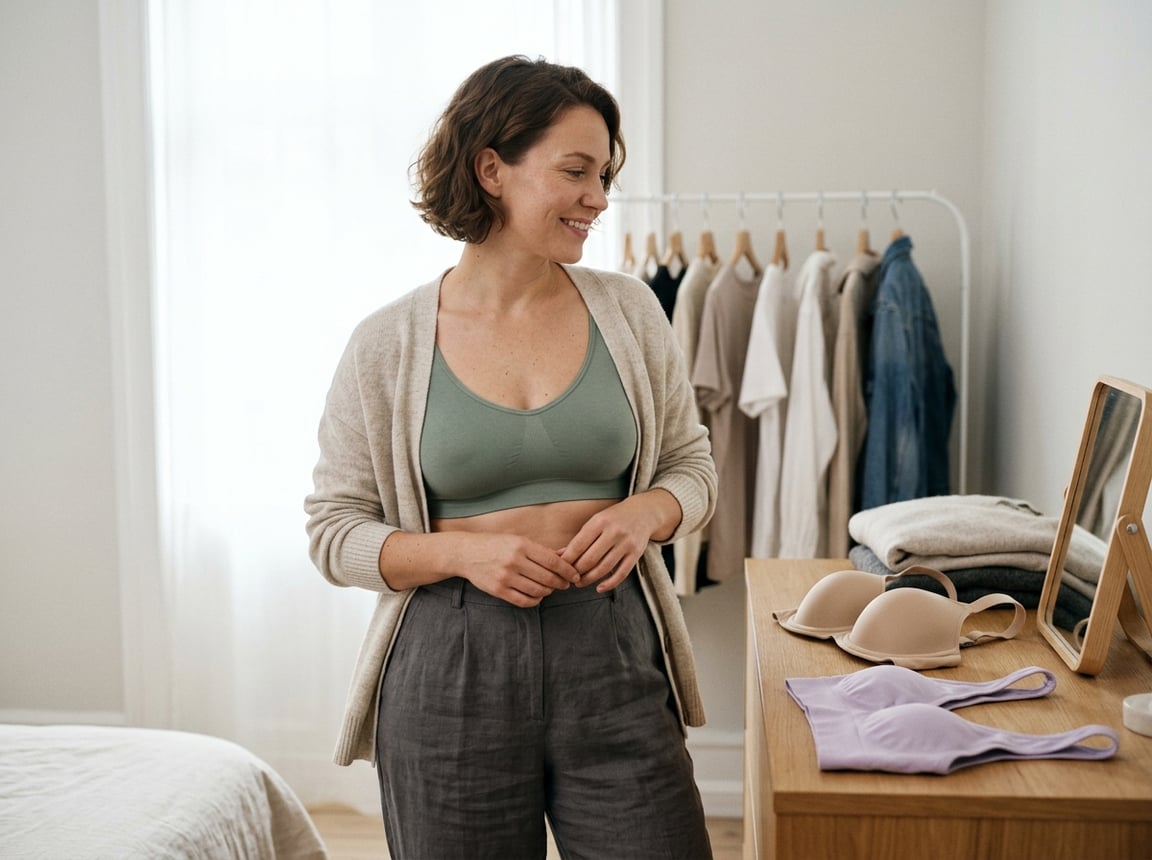
Picking between a bra and a bralette comes down to your bust size, what you're doing that day, and how much support you actually need. Your breast size, planned activities, and comfort level all play a part in this decision.
Bralettes for Smaller, Medium, and Fuller Busts
If you have a smaller bust, a bralette works great as a bralette for everyday wear. The soft fabric and lack of padding won't feel like overkill, and you still get a bit of shape.
For medium busts, you can still pull off a bralette, but look for one with a wider band or thicker straps. This adds a little extra hold without losing the comfy feel.
If you're fuller busted, don't count bralettes out completely. Some styles have a 3-part cup with a seam down the middle of each cup, which gives more structure than a basic triangle bralette. A wireless bra with more spandex can also work if you want stretch without an underwire.
When a Structured Bra Makes More Sense
There are times when a bralette just won't cut it. If you're heading into a workout, a proper sports bra beats any bralette since it's built to reduce movement and bounce.
Formal events, work meetings, or anything where you want a clean silhouette under your clothes call for a structured bra too. The padded cups and underwire in a traditional bra shape your bust and keep everything in place for hours.
If you deal with back pain or have a larger bust, minimizer bras are worth a look. These are designed to make your bust appear smaller under clothing while still offering solid support.
Knowing when to wear a bralette versus a structured bra really depends on how much movement and coverage your day requires.
Finding a Comfortable, Secure Fit
No matter which style you pick, comfort should come first. An unstructured bra like a bralette shouldn't dig into your skin or leave marks on your shoulders.
Check the band on any bra or bralette. It should sit snug but not tight, and you shouldn't need to hike it up throughout the day.
For bralettes, try the stretch test: pull the fabric gently and see if it snaps back into place. If it feels loose or saggy after one wear, size down or pick a different fabric blend.
With structured bras, make sure the underwire sits flat against your ribcage without poking. The cup should fully contain your breast tissue with no spilling over the top or gapping at the sides.
Matching Your Underwear to Your Outfit
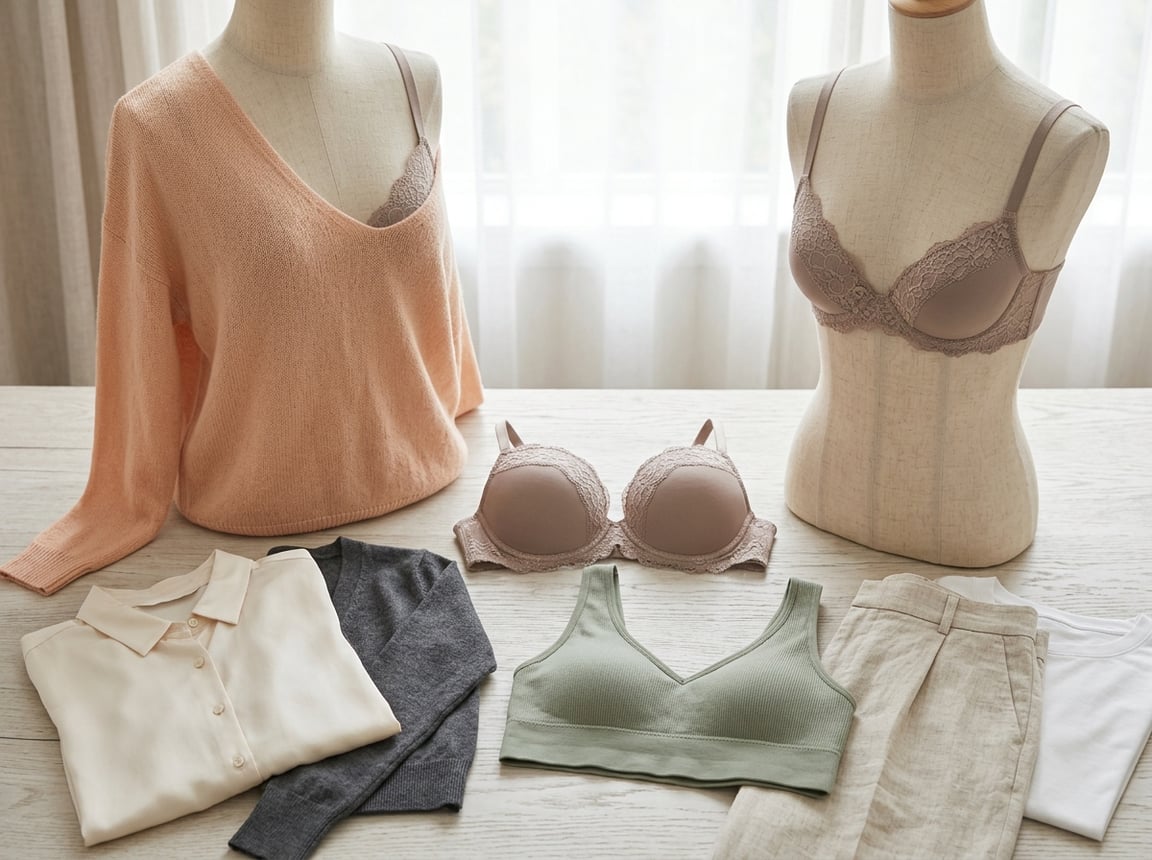
The right bra depends on what you're wearing, not just what feels comfy. Some clothes need smooth coverage, others need a lift, and some outfits let your bralette show off a little.
Smooth Coverage Under Fitted Clothes
If you're wearing a tight dress or a thin t-shirt, you don't want bra lines showing through. A seamless demi bra or a lightweight lace bralette can give you smooth coverage without any visible edges.
Look for bras with no seams and minimal texture. Molded cups work well here because they hide your nipples and keep everything looking uniform under thin fabric.
Skip anything with lace details or bows on the cups if your top is see-through. Stick to nude or a shade close to your skin tone so nothing peeks through in bright light.
Lift and Cleavage for Lower Necklines
Low-cut tops and dresses call for bras built to shape your chest. Push-up bras for women add padding at the bottom of the cup to boost your bust and create cleavage.
Plunge bras work great here too. They have a low center gore, so the cups sit lower and stay hidden under deep necklines.
Balconette bras are another solid pick. They cut straight across your chest and lift you up, which pairs nicely with off-the-shoulder tops or square necklines. Compare a few styles based on your neckline:
-
Plunge bra: Best for V-necks and deep cuts
-
Balconette bra: Best for square or off-shoulder tops
-
Push-up bra: Best when you want extra volume
Bralettes as Visible Layers
Sometimes your bralette is meant to be seen, not hidden. Lace or crochet bralettes look great peeking out from under an open blazer, a loose tank top, or a sheer blouse.
This is where a wireless bralette vs padded bra choice really matters. A wireless bralette gives you a softer, more relaxed shape that fits the casual look of a visible layer, while a padded bra feels too structured for that style.
Pick a bralette with pretty straps or trim since those details will actually show. Pair it with high-waisted jeans or a slouchy cardigan for an easy, put-together look that still feels comfortable all day.
Best Times to Wear Each Style

The right choice depends on what you're doing that day. Some activities call for structure and lift, while others just need wire-free comfort and easy movement.
Everyday Errands, Work-From-Home, and Travel
If you're running errands or working from your kitchen table, a bralette for everyday wear is a solid pick. You don't need a lot of structure when you're just grabbing coffee or answering emails.
Bralettes give you minimal support bra options that still keep you covered without digging into your skin. That's a big plus on days when you're sitting for hours or moving around a lot.
Travel days are another good time for wire-free comfort. Airports and long car rides mean lots of sitting, and the last thing you want is a wire poking your ribs. A soft bralette moves with you and doesn't add extra pressure during a long trip.
Workwear, Events, and Long Days
Office jobs and dressed-up events usually call for more structure. A traditional bra, especially one with underwire, gives you the shape and support that most work outfits are built around.
Longer days on your feet, meetings back to back, or events like weddings and dinners tend to work better with a supportive bra. Women's bras with proper band and cup sizing help distribute weight evenly, so you're not adjusting straps all day.
If you have a larger bust, this matters even more. A well-fitted bra keeps things comfortable during high-movement days, while a bralette might feel like it's not doing enough by hour six.
Lounging, Sleeping, and Casual Outfits
When you're winding down at home, comfort wins. Bralettes are a go-to for casual loungewear because they're soft, stretchy, and don't have any hardware digging into your skin.
Sleeping in a bralette is also common. Since there's no underwire or tight band, it won't restrict your breathing or blood flow overnight.
Casual outfits like T-shirts, oversized sweaters, or loungewear sets pair naturally with a bralette. You get a relaxed look and feel without sacrificing basic coverage, which makes it an easy pick for low-key days at home.
Building a Versatile Bra Drawer
A good bra drawer has a mix of styles for different outfits, activities, and moods. Once you know the basics of bralettes and bras, you can start picking pieces that actually work for your life.
Essential Bralette Styles to Consider
A lightweight lace bralette is a great starting point. It's comfy, looks cute peeking out under a tank top, and works great for low-key days.
You'll also want a plain cotton or ribbed bralette for everyday wear under t-shirts. Look for one with adjustable straps so you can tweak the fit.
Wireless bras are another must-have. They give you a bit more structure than a bralette without the underwire poking into your skin.
If you like a longline style, grab one that hits at your ribcage for extra coverage. These work well under sheer tops or blazers when you want some support but not a full-on structured bra.
Supportive Bra Styles for Different Needs
For everyday support, demi bras and balconette bras are solid picks. They both give lift and coverage but sit a little lower on the chest, so they're great under scoop-neck or off-shoulder tops.
If you want more cleavage or shaping, push-up bras for women are the way to go. They add padding at the bottom of the cup to boost and center your bust.
Plunge bras work best under low-cut shirts or dresses since the center is cut lower than a regular bra.
If you have a larger bust and want a smoother look under clothes, minimizer bras can help. They spread out breast tissue to reduce the appearance of size without sacrificing support.
Care Tips to Maintain Fit and Comfort
Wash your bras by hand or on a gentle cycle in a mesh bag. Hot water and harsh detergent can wear out the elastic fast.
Skip the dryer. Heat breaks down the fibers in both bras and bralettes, so lay them flat to air dry instead.
Rotate your bras so you're not wearing the same one every day. This gives the elastic time to bounce back between wears.
Check the band and straps every few months. If they feel stretched out or the underwire pokes through, it's time for a replacement.
Frequently Asked Questions
Here's what you need to know about bralettes and how they stack up against regular bras.
What is a bralette used for?
You wear a bralette when you want comfort more than structure. It works great under a t-shirt, as loungewear at home, or as your first bra if you're just starting to need one.
Some people also wear bralettes to sleep in. They're softer and less restrictive than a regular bra, so they don't dig into your skin at night.
Are bralettes good for larger breasts?
It depends on the style. Basic bralettes often don't give you enough support if you're above a C cup.
But you're not totally out of luck. Look for a bralette with a 3-part cup (it has a seam down the front of each cup) and a wider band. Bralettes made with a higher spandex content can also give you more support while keeping that soft, wireless feel.
What does a bralette look like?
A bralette usually looks softer and less structured than a regular bra. You'll often see lace, mesh, or stretchy cotton fabric instead of stiff, molded cups.
Most bralettes skip the underwire completely. Many also have a triangle or bralette-style cup shape instead of the rounded, padded cups you see on a t-shirt bra.
Do bralettes have padding or support?
Most bralettes have little to no padding. This gives you a more natural shape instead of the lifted, rounded look you get from a padded bra.
As for support, a basic bralette won't hold you the way an underwire bra does. The amount of support changes based on the fabric and design, so a bralette with thicker straps and more spandex will support you better than a thin, lacy one.
Should you wear a bra underneath a bralette?
No, you don't need to wear a bra under your bralette. Bralettes are designed to be worn on their own, just like a regular bra.
If you feel like you need extra support for a specific outfit or activity, it's better to just switch to a different bra entirely. Layering bras on top of each other isn't necessary and won't feel comfortable.
Is a wireless bra the same as a bralette?
Not exactly, though they're similar. A wireless bra can still have padding, molded cups, and more structure, even without the metal underwire.
A bralette usually goes a step further by skipping the padding too. So, while all bralettes are wireless, not all wireless bras count as bralettes.
Conclusion
A bra and a bralette may look similar, but they serve different purposes in your everyday wardrobe. Bras typically offer more structure, support and shaping, while bralettes prioritize comfort and a relaxed fit. Choosing between them depends on the support level you need for the day.
For lounging, layering or light activity, a bralette is often the more comfortable choice. For structured outfits or all day support, a traditional bra is usually the better option. Explore our bralette and everyday bra collections to find the right balance for your lifestyle.