

Saree Shapewear vs. Traditional Petticoat: Know the Difference, Fit, Comfort, and Styling Tips
Deciding between saree shapewear and a traditional petticoat can totally change how your saree sits, feels, and moves.
If you want a sleeker, more fitted silhouette and better tummy control for a modern drape, try saree shapewear. Prefer breathability, ease, and that classic look? Stick with a traditional petticoat.
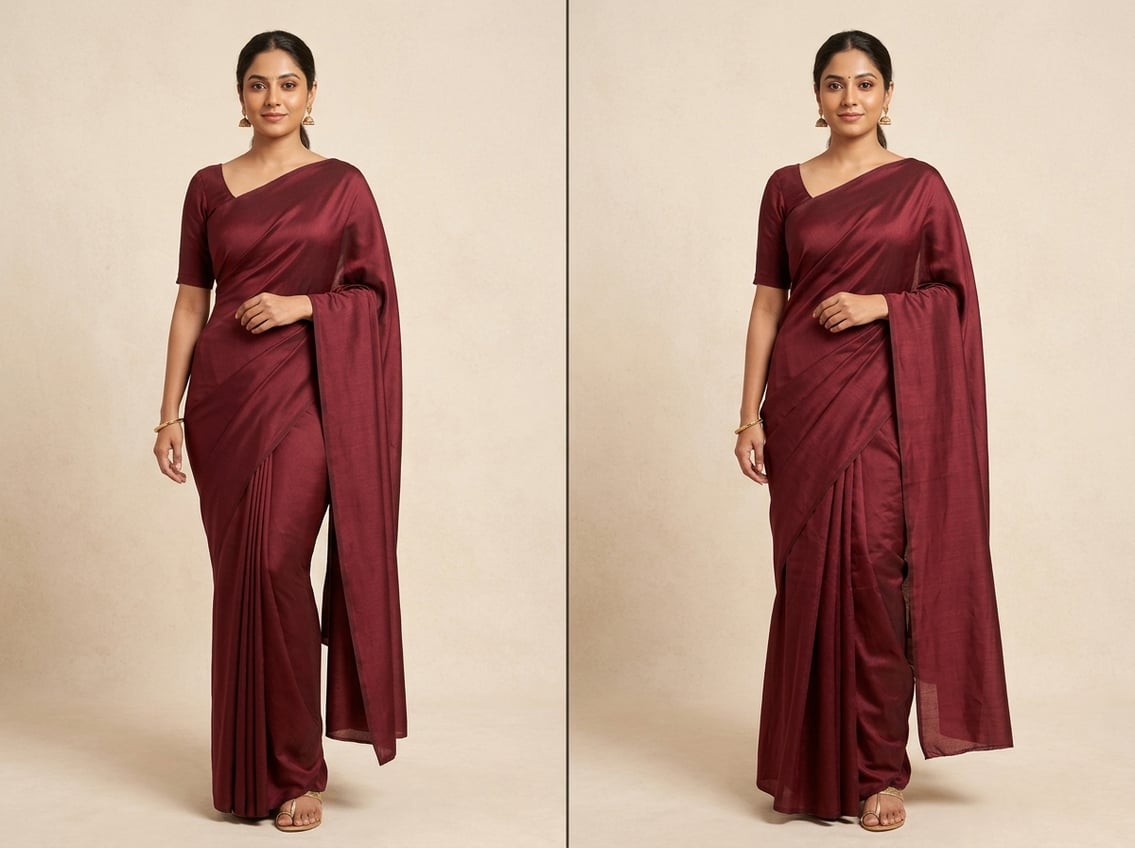
Let’s get into what makes each option unique, the common types of innerwear, and which works for different saree fabrics and occasions. You’ll pick up some tips for fit, comfort, and tiny draping tricks that just make everything click.
What Is Saree Shapewear and How Does It Differ from Traditional Petticoats?
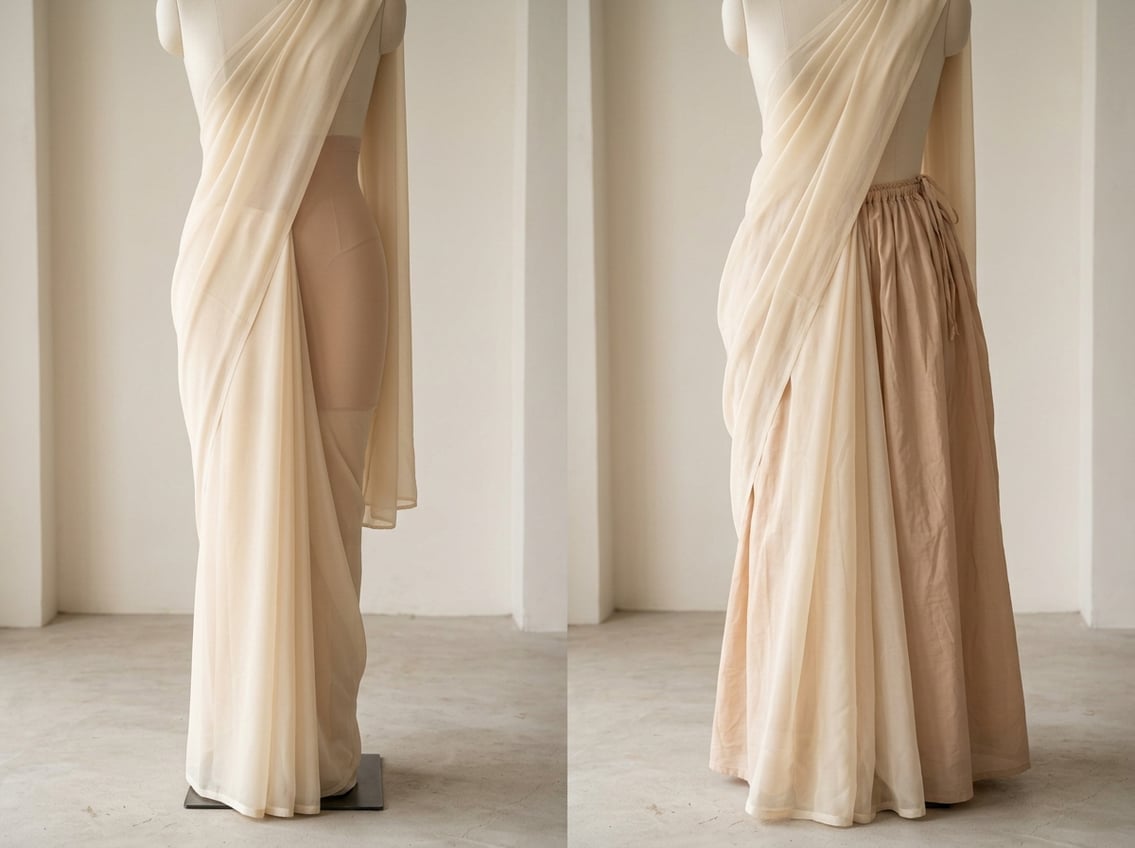
Saree shapewear is a fitted undergarment that smooths your waist, hips, and thighs for a more polished drape. Traditional petticoats are looser, tied at the waist, and mostly just give you a layer to tuck your saree into.
Why Saree Shapewear Came Into Play
People started wearing saree shapewear to get a slimmer, neater silhouette, with no more bulky fabric bunching up at the waist. Shapewear uses fabrics like nylon, spandex, or microfiber to gently compress and hold your shape.
It usually has a higher waist and longer legs, so it doesn’t roll up and keeps pleats tidy. Some designs have silicone strips or special seams to keep everything from slipping around. Brands caught on when women started asking for a cleaner, more modern look, without all the fuss of drawstrings.
Difference Between Petticoat and Shapewear
Petticoats are mostly cotton or satin, tied with a drawstring. They add volume and give you something to tuck the saree into. They come in different waist sizes and lengths, but don’t really shape your body.
Shapewear, on the other hand, compresses key areas and gives a smooth base. It uses elastic waistbands and stretch panels instead of drawstrings. Shapewear can totally replace a petticoat if you’re wearing a slim or modern drape, but for heavy or really voluminous sarees, petticoats still win for structure.
Here’s a quick breakdown:
- Fit: drawstring loose (petticoat) vs snug elastic (shapewear)
- Function: support and tuck (petticoat) vs shape and smooth (shapewear)
- Movement: may ride up (petticoat) vs stays put (shapewear)
Cotton Petticoat vs Shapewear
Cotton petticoats breathe well and are great in hot weather. They’re perfect for traditional looks and heavy silk sarees where you need a bit of body and control for the drape.
Cotton is easy to wash and lasts, but it can bunch up at the waist and sometimes feels bulky. Shapewear, on the flip side, feels sleeker and hides any lumps or bumps for a more “Instagram-ready” look.
It’s awesome under body-hugging sarees, chiffon, georgette, and those lightweight silks. One thing, though: shapewear needs gentle washing and the elasticity can fade over time, while cotton is hardier.
Pick based on fabric and occasion:
- For comfort in heat and heavy silk: go cotton petticoat.
- For a slim, modern silhouette and lightweight sarees: choose saree shapewear.
Types of Saree Innerwear Explained
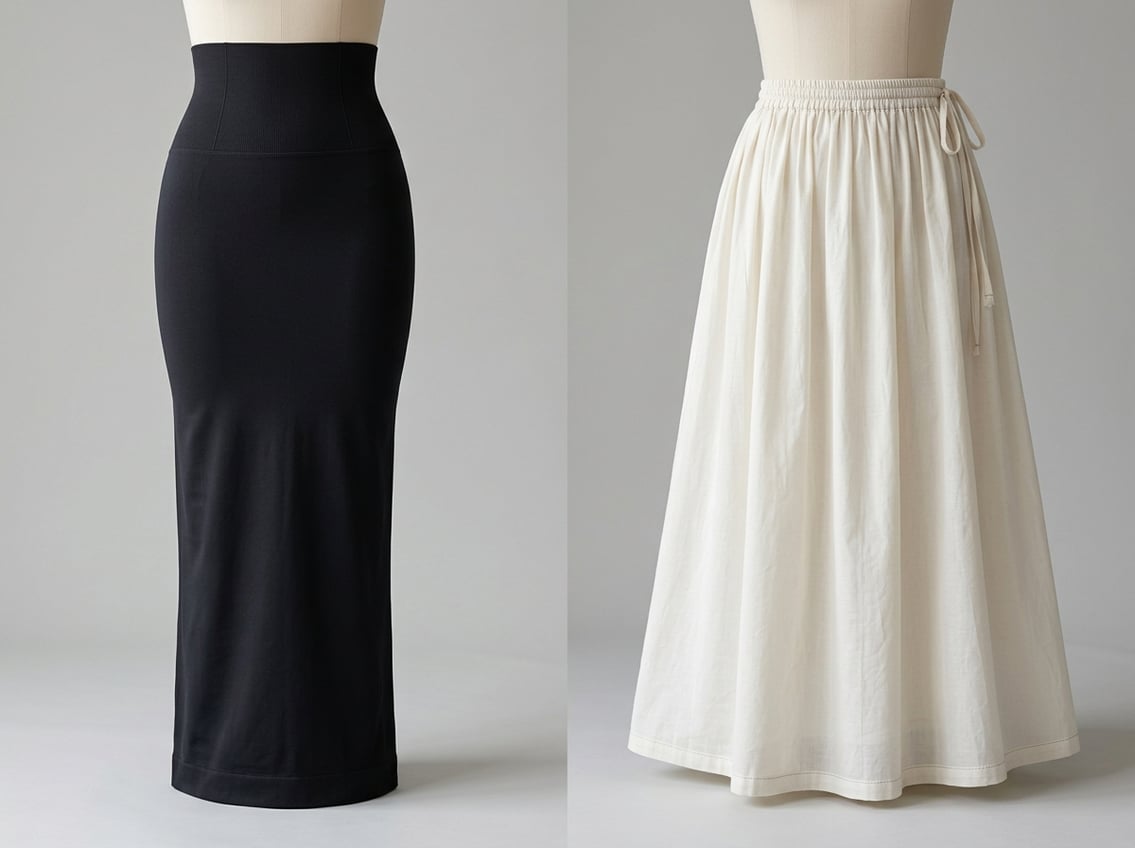
Pick innerwear that suits your saree fabric, silhouette, and what feels good for you. Think about the waist fit, length, and if you want shaping or just a looser fall.
Saree Petticoat Types
Petticoats come in cotton, silk, satin, and even net. Cotton is ideal for daily wear and heavy handloom sarees since it breathes and holds pleats. Silk or satin petticoats are more for parties or designer sarees; they give a silky shine under lighter fabrics.
Petticoats also vary by waistband and length. Elastic waistbands are comfy for long events, while drawstrings let you tighten things up for crisp pleats. Hem length can be ankle, mid-calf, or floor-length; pick what matches your height and shoes.
Some petticoats have built-in flares or extra panels for more volume. Others come with a front hook or zipper for a neater look. In Pakistan and India, cotton petticoats are still super common, but you’ll find loads of modern cuts online now labeled as saree inner wear.
Slimming Petticoat for Saree
Slimming petticoats look like regular ones but use firmer fabric and a snug cut. They compress hips and thighs just a bit, giving a sleeker look for sarees like chiffon or georgette.
These often have wider waistbands to prevent rolling and to smooth the tummy area. Breathable blends keep things comfortable during long events. Always check the waist size, not skirt size, to avoid bunching.
Slimming petticoats are great under plain or lightly embroidered sarees. They’re a simple upgrade if you want a better drape but don’t want full shapewear.
Saree Shapewear for Tummy Control
Saree shapewear is all about tummy control and smoothing everything out. It usually sits from right under your bust to your hips, using firm panels to flatten your stomach and shape your waist.
This makes pleats look sharper, and the pallu falls neater on your shoulder. Go for shapewear with a side slit or low back if you’re wearing a deep-back blouse. High compression gives more shaping but can feel tight, so moderate compression is a good balance.
Brands in Pakistan and India now offer saree-specific tummy control shapewear in different lengths and colors. Just a heads up: wash shapewear gently and air dry to keep the compression. Use it when you want a defined waist or if your saree is super clingy.
Benefits of Saree Shapewear and Key Differences
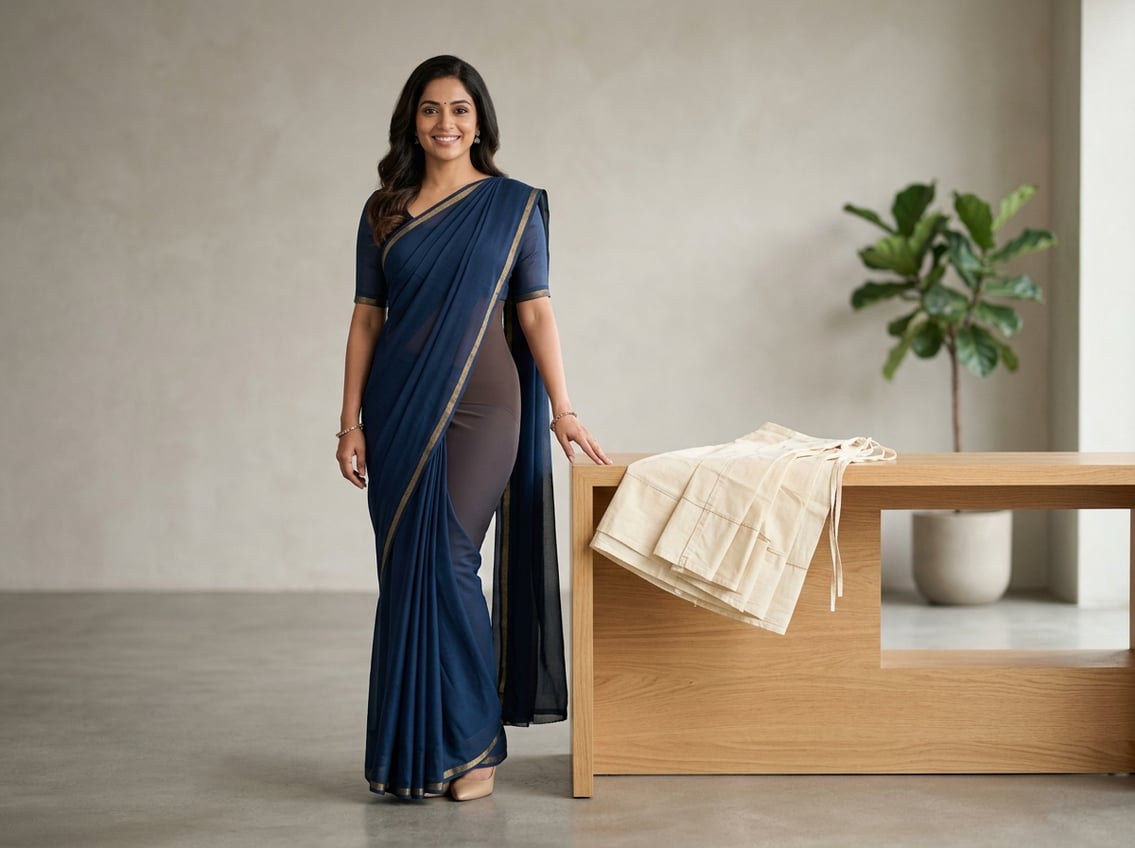
Saree shapewear gives you a smoother waist, secures pleats, and lets you move around without worrying about anything slipping. A good petticoat still works for light fabrics, but shapewear really changes the silhouette and comfort level, especially for long days.
Saree Shapewear Benefits
Saree shapewear trims your waist, hips, and tummy so the saree falls cleaner and looks more streamlined. It cuts down on bulges behind pleats and at the waistline, so your drape stays neat in photos and at events.
Most shapewear uses stretch fabrics like nylon and spandex, which add breathability and a snug fit. You can sit, bend, or even dance without the petticoat bunching up. Some designs feature a low-profile waistband and side slits for the saree’s fall.
Some styles add just enough compression without making it hard to breathe. They can even replace a belt or blouse tuck for a seamless finish. If you’re planning to wear your saree all day think weddings or travel choose a breathable, moisture-wicking fabric.
Here’s a fun fact: In 2024, the global shapewear market was valued at about 2.73 billion dollars and is expected to reach 4.32 billion by 2030, with women making up nearly 94 percent of the industry’s revenue.
Shapewear for Saree Draping
Go for high-waist shapewear if you want a defined waist and smooth pleats. Pick a length that goes to mid-thigh; it’ll anchor pleats and stop the saree from riding up as you move.
For heavy sarees, pick firmer compression and a sturdy waistband. For lighter sarees, a softer, thinner fabric prevents bulk. Some shapewear comes with a hook or slit opening for easy restroom breaks; trust me, you’ll thank yourself later.
Color matters! Choose nude or something that matches your saree or blouse to keep it invisible. Always check seams and stitches so nothing shows through thin fabrics. And honestly, try your shapewear with the saree before the big day; you’ll spot any weird pleats or fit issues early.
Best Petticoat for Chiffon Saree
Chiffon’s light and clingy, so you need a petticoat that supports the drape without adding weight. Go for a lightweight cotton or silk blend petticoat with a soft waistband to avoid visible lines.
A drawstring plus tiny hooks gives better hold than elastic alone. A slightly flared cut helps chiffon fall smoothly, unless you want that A-line look.
Stick to colors close to your skin tone or the saree shade to hide under sheer chiffon. Avoid heavy embroidery or bulky linings; they’ll show through. If you want shaping, slip on thin shapewear under the petticoat for a balanced look.
By the way, a recent survey by DataM Intelligence found that over 46 percent of women buy body shapers mainly to improve their waist shape, and about 20 percent get them to make their whole body look more presentable.
How to Choose and Wear Your Saree Underskirt
Pick an underskirt that holds your saree securely, fits your waist and hips, and matches your saree’s fabric. Focus on comfort, grip at the waist, and the silhouette you want flared for volume, fitted for a sleek look.
How to Wear Saree Petticoat
Start with the right fit; the petticoat waist should sit where you usually tie your saree. Tie the drawstring snug, but not so tight you can’t breathe or move.
If your saree’s heavy silk, go for a cotton-lined petticoat with a sturdy waist tape. For lighter chiffons or georgettes, a lighter cotton or satin petticoat keeps everything smooth without adding bulk.
Match the hem length to your shoes. The petticoat should just brush the floor when you’re in your usual heels or flats.
Use small safety pins to anchor the saree at the inside waist and near the navel so pleats stay put. For an even cleaner look, try a petticoat with built-in hooks or a fabric belt to keep pleats steady.
Best Innerwear to Wear Under Saree
Pick a well-fitted blouse or crop top with proper support; a stitched blouse always gives a neater line than anything loose. For extra shaping, low-rise shapewear shorts smooth hips and tummy without messing up the saree drape.
Go for nude or skin-toned undergarments under light or sheer sarees to avoid visible lines. Seamless panties are a lifesaver under clingy fabrics.
For comfort and modesty, wear a slip or half-slip under really sheer sarees. Look for breathable fabrics, cotton blends for hot weather, and microfiber or satin for formal events. It’s all about balancing comfort and a polished finish.
Expert Draping Tips and Innerwear Advice
These tips are all about getting a neat fall, a secure waist, and comfy innerwear that keeps your blouse and saree looking sharp. You’ll find little steps for draping, picking the right bra, and matching bra size to your blouse for the cleanest silhouette. And hey, don’t be afraid to experiment a little; sometimes the best fit is the one that just feels right.
Saree Draping Tips for Beginners
Start with a well-tied petticoat or a snug shapewear waistband. Pin the saree at your shoulder first so the pallu stays put while you work on the pleats.
Make 5 to 7 even pleats for lightweight sarees. For heavier fabrics, go for 7 to 10 pleats, and keep each pleat about 4 to 6 inches wide so they sit flat at the waist.
Secure the pleats with a safety pin through the top fold and into the petticoat seam, not just the fabric layers. Tuck the inner edge firmly at your navel, then walk a few steps to check the length.
Adjust the tuck so the saree just grazes your toes. Use a small safety pin at the hip to hold the pleats together and one at the shoulder to anchor the pallu.
For a cleaner look, press pleats with a warm iron or use a steam iron on a low setting.
Bras for Saree Blouse
To choose the best bra for a saree blouse, choose a bra that matches your blouse cut and fabric. For deep or U-shaped necklines, a plunge bra with a low center gore usually works best.
For high-neck or halter blouses, try a high-neck or convertible bra that hides under the fabric. If your blouse has a sheer back or is sleeveless, a backless or strapless bra, or even adhesive cups, can help keep things invisible.
Match the bra color to your skin tone or blouse color to avoid show-through. Look for smooth, seamless cups under fitted blouses and maybe light padding for balance with sheer fabrics.
Use clear or fabric-covered straps if your blouse has thin straps. If the hooks are strained, a bra extender can add comfort without changing the fit.
Bra Size Guide
To get an accurate bra size, wrap a soft tape measure under your bust for the band size. Then, measure around the fullest part of your bust for the cup size.
Subtract the band measurement from the bust measurement. Each inch difference typically equals one cup size (1 inch is A, 2 is B, 3 is C).
Here’s a quick example: if your band is 34 inches and your bust is 37, that’s a 3-inch difference, so you’d be a 34C.
Try the bra on with your saree blouse or a similar fabric to check the fit. The band should sit level and snug, not ride up, and the cups should contain everything with no spillage or gapping.
Move your arms and bend to test support. If the straps dig in, lengthen them. If the center gore lifts away from your chest, it might be time to try a different size or style.
Frequently Asked Questions
Got questions about fit or comfort? Here’s where you’ll find some real-life answers to help you pick the right base for your saree and the big day.
What’s the main difference between saree shapewear and a traditional petticoat?
Saree shapewear fits like a body-contouring underskirt with no drawstrings or pleats. It gives a smooth, mermaid-style silhouette.
A traditional petticoat is a looser skirt with a drawstring and gathers for pleats. It helps hold pleats and gives a classic, flared shape.
Which one is more comfortable to wear for long hours, shapewear or a petticoat?
Comfort depends a lot on fabric and fit. Soft cotton petticoats breathe well and feel cooler during long events.
Well-fitted shapewear can feel snug but supportive. If the fabric's heavy, though, it might get a bit warm after a while, so I’d go for something breathable if you plan to wear it all day.
Does saree shapewear actually smooth the tummy better than a regular petticoat?
Yep, shapewear usually gives firmer tummy control since it’s built to compress and shape. You’ll notice fewer bulges and a sleeker front.
A regular petticoat doesn’t really flatten the tummy. It’s mostly there to help with draping and pleats.
Can I wear a saree without using either shapewear or a petticoat?
You can, honestly. A well-tied saree over comfortable underwear works for casual or short-term wear.
But for structured pleats or formal events, most people prefer a petticoat or shapewear for steadiness and a neat finish. No real rules, though just what feels right for you.
What should I look for when choosing the right size in saree shapewear?
Pick a size that hugs your body but doesn’t dig in. Check the waist and hip measurements against the brand’s size chart.
Look for stretchy panels, a comfy waistband, and breathable fabric. Try sitting and moving around to make sure it stays comfortable, especially since the female segment accounts for a whopping 93.8% of shapewear industry revenue in 2024, so clearly, a lot of us care about comfort and fit.
Is a satin petticoat better than a cotton one for getting neat saree pleats?
Satin's smooth surface lets the saree glide, making sharp pleats much easier to achieve. It's a popular choice for silk and lightweight sarees, honestly, because everything just falls into place so neatly.
Cotton, on the other hand, grips the fabric more, which can help pleats stay put, especially with heavier sarees. Plus, cotton keeps you cooler, which is no small thing if you're wearing it all day.
Conclusion
Choosing between saree shapewear and a traditional petticoat comes down to the look, comfort, and support you want.
Saree shapewear creates a sleek silhouette with gentle tummy control, making it ideal for lightweight and modern drapes, while a traditional petticoat offers breathable comfort and reliable structure for classic styling and heavier sarees. The right choice depends on your saree fabric, the occasion, and what helps you feel most confident throughout the day.
No matter which option you prefer, the best results come from selecting the correct size and pairing it with supportive innerwear that complements your saree and blouse.
Taking a little extra time to choose the right foundation, secure your pleats properly, and match your innerwear to your outfit will help your saree drape beautifully, stay comfortable, and look elegant from start to finish.