

How Should a Wireless Bra Fit: Easy Tips for Comfort and Support
You want a wireless bra that stays level around your ribs, lifts without digging, and feels like it disappears under your clothes.
A proper wireless bra fits snugly at the band, cups that smooth without gaping, and straps you can adjust so your shape looks and feels supported all day.

You’ll get the basics here: what to check on the band, cups, and straps, how wireless support feels compared to underwire, and which styles actually work for your body and daily life. Let’s get into some fit checks, care tips, and quick fixes so you can stop fussing and just get on with your day.
Essentials of Wireless Bra Fit
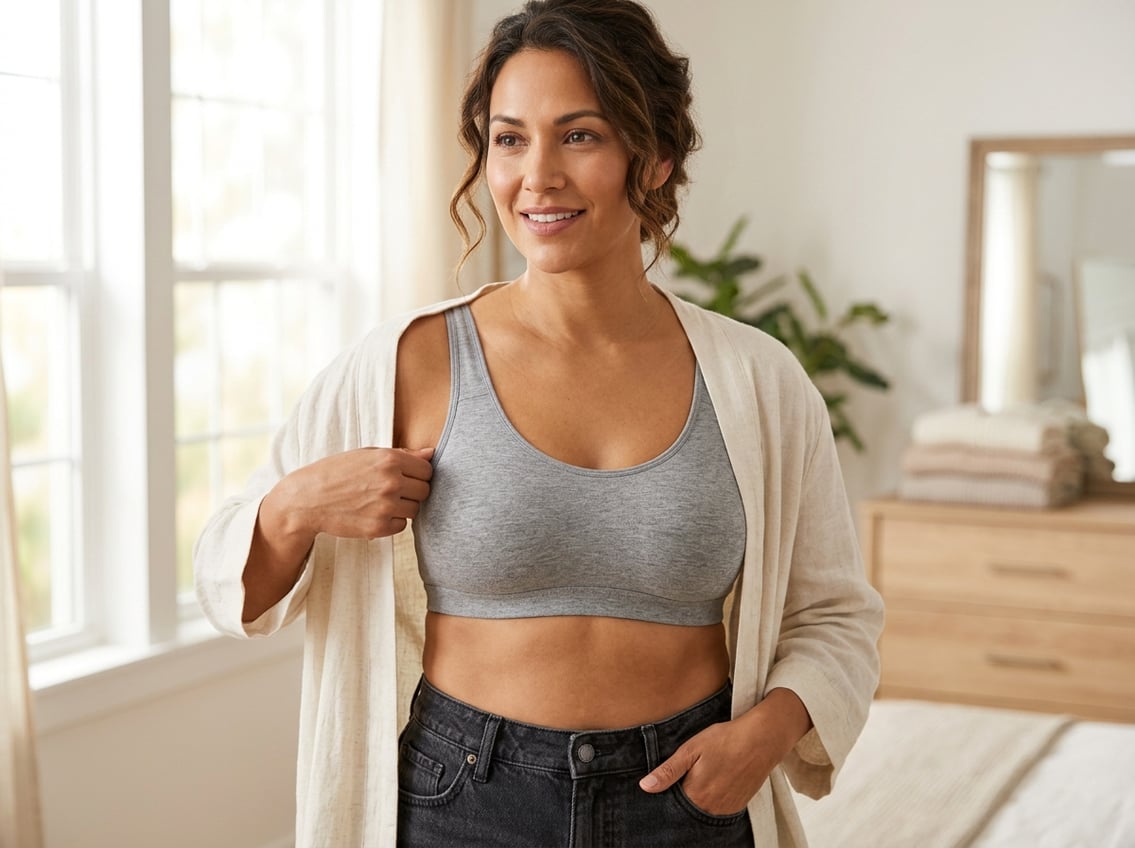
A wireless bra should sit level around your ribcage and support the breasts from below. It’s supposed to feel comfortable all day no pinching, no shifting.
The band’s where most of the support comes from. Straps shouldn’t dig, and cups should hold your breasts without gaping or spilling out the sides.
Key Features of a Perfect Fit
Start with the band: it should lie flat and level all the way around. You want it snug, but not painful just enough that you can slide two fingers underneath, but not more.
Now, the cups. They should contain your breasts without wrinkling or bulging anywhere. The fabric ought to smooth across your chest with no weird gaps.
If you wear molded or foam cups, the shape should actually match your breast profile. Otherwise, you end up with odd bumps under your shirt, which nobody wants.
Straps are just there to fine-tune the fit. They should rest on your shoulders without digging or slipping off. If your shoulders hurt, try loosening them after you’ve checked the band the band should still do most of the work.
Adjustable straps and a wide underband? Always a plus for comfort and stability.
Common Fit Mistakes to Avoid
The most common mistake? Wearing a band that’s too loose. If the band rides up your back, all the support shifts to the straps, which just leads to shoulder pain and sagging shape.
Tightening straps won’t fix a loose band. Trust me, I’ve tried.
Picking the wrong cup size is another culprit. Gaping means your cup’s too big; spillage means it’s too small. Either way, it’s uncomfortable and messes with how your clothes fit.
Don’t ignore the underband material and width. Narrow, thin bands dig in more than wider, firmer ones. Also, if your bra sits high on your sternum or leaves a gap at the center, it’s probably not the right cut for you unless that’s the style you’re after.
How Tight Should Your Wireless Bra Be
The band should fit snugly on the loosest hook when new, so you can tighten it later as it stretches. Snug means firm around the ribs, but not suffocating; think two fingers under the band, not your whole hand.
If your band’s riding up your back, it’s definitely too loose. On the flip side, if you’re getting red marks or bruises, it’s way too tight. Remember, fabric does stretch out over time, so a snug fit now will settle in nicely later.
Straps shouldn’t be carrying the weight. If you’re constantly tightening them to get lift, you probably need a smaller band or a different size altogether.
For more support, try a wider underband or styles with side support panels. It really makes a difference, especially if you’re looking for all-day comfort.
How to Test If Your Wireless Bra Fits Correctly
Here’s a quick home test. First, lean forward about 90 degrees and let your breasts fall into the cups. Stand up and check for spillage or gaps; the top edge should be smooth, with nothing popping out.
Second, fasten the band on the loosest hook and pull it forward at the center front about an inch. It should move just a bit, but not lift off your ribs. If it moves more than an inch or two, it’s probably too loose.
Third, the strap test: stand normally and lift your arms. Straps should stay put, and the band should stay level. Walk around, move, and lift your arms. If the bra shifts a lot, it’s time to try a different size or style.
Support and Comfort Without the Wire

Wireless bras can absolutely give lift and shape while staying comfy. It’s all about the fit, band tension, cup design, and where the straps sit.
Fun fact: the wireless bra segment is projected to grow at a speedy CAGR of 7.2% during the forecast period, outpacing underwire bras. That’s mostly because more people want comfort and athleisure styles are everywhere.
Does a Wireless Bra Provide Support
Yep, a wireless bra can support you if the band fits snug and the cups contain your breast tissue. The band should sit level around your ribcage and feel firm on the last hook.
If it rides up, the band’s too loose, and suddenly the straps are doing all the work. Not ideal.
Look for cups that fully cover without gapping or cutting in. Wide, level bands and side panels help keep tissue centered and reduce side spillage. For larger busts, inner slings or reinforced side seams add a little lift, even without wires.
Strap width and placement matter, too. Wide, slightly padded straps spread weight and prevent digging. Adjust straps so they keep the cups close, but don’t let them carry most of the support.
Soft Cup Bra Support
Soft cup bras use shaping, seams, and layers instead of wire to lift and separate. You’ll see molded or seamed cups that create structure. Molded cups give a smooth look, while seams give more targeted support.
Materials are a big deal: firmer fabrics and elastic-lined seams keep things in place and stop cups from stretching out. An inner sling or side boning supports the base of the breast and helps prevent “bottoming out.”
If you notice forward spillage or flattening, try a different size or a style with more cup depth. It helps to measure standing and seated to match your shape to the right soft cup design.
Non-Underwire Bra Comfort
Non-underwire bras focus on comfort with soft materials and flexible construction. Look for breathable fabrics, wide bands, and cushioned straps; they’ll help you avoid pressure points during long days.
To fix side spillage, go for styles with deeper side panels or longer under-arm coverage. If your band’s too big, that can cause spillage too; sometimes dropping a band size and going up a cup size does the trick.
Smooth, seamless cups are great under tighter clothes. Move around: raise your arms, sit, bend. The cups should stay put, the band shouldn’t ride up, and straps shouldn’t dig in. If something’s off, try a different cut or size; it’s not you, it’s the bra.
Comparing Wireless and Underwire Bras
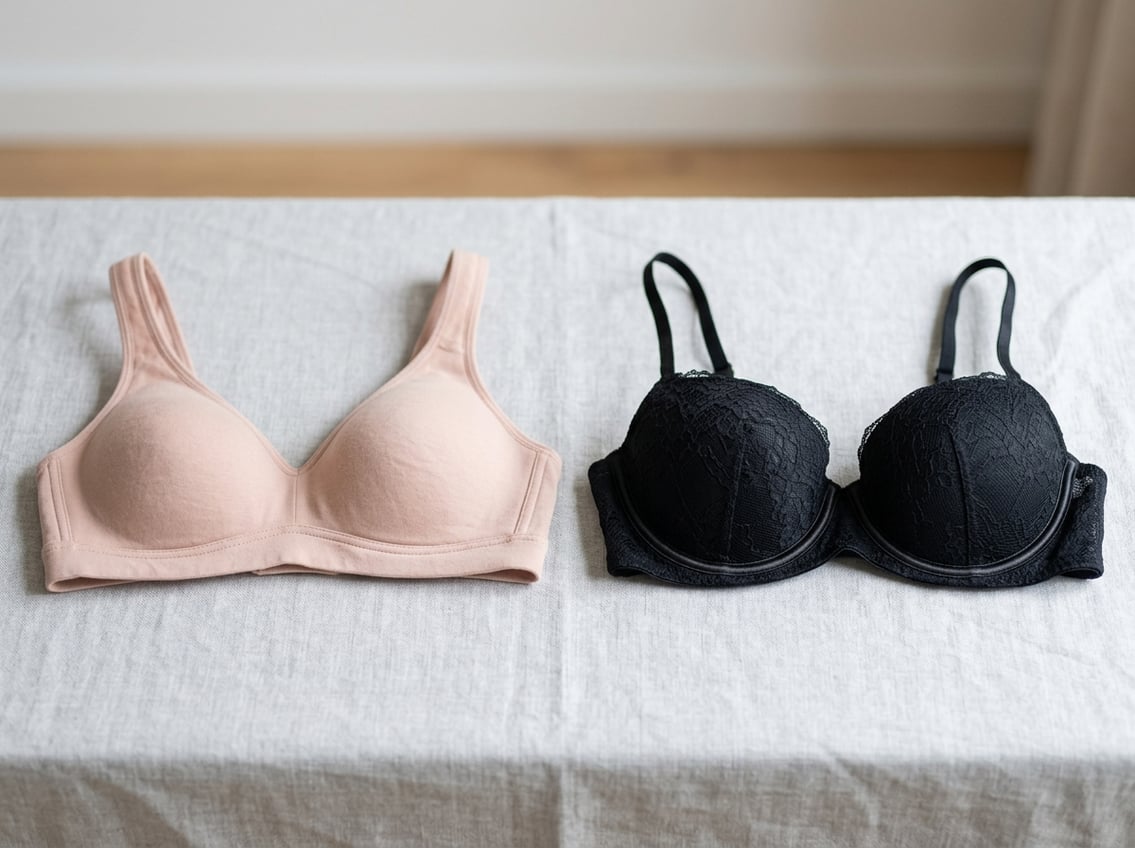
Wireless bras swap out rigid support for a softer structure and a lighter feel. Underwire bras use a curved wire to lift and shape, which changes how the band and straps have to fit to give you support.
Fit Differences Between Underwire and Wireless
Underwire bras give targeted lift at the base and sides of each breast. You’ll feel firmer cup edges and a more defined cup shape. The band has to sit snug, because the wire transfers most support to the band and back.
If the band rides up, the wire won’t hold the cups in place. Wireless bras depend more on a well-fitting band and cup construction. Look for a band that feels firm across your ribcage and cups that hug your breast tissue without gaps or spillage.
Wireless cups often use stretch fabric or molded foam to shape, so a slightly tighter band or higher sides can help make up for the lack of wire. Always check fit by moving your arms and bending over. Underwire should lie flat against your ribcage, not dig in. Wireless shouldn’t fold or gap at the cup edge.
When to Choose Wireless Over Underwire
Pick wireless if you want more comfort for long days or less pressure at your ribs. If wires irritate you, if you have sensitive skin, or if you’re working from home and just want to chill, wireless is the way to go.
Wireless is great for low- to medium-impact activities like walking, everyday wear, or even sleep. For more shaping without a wire, look for designs with reinforced bands, molded cups, or side support panels.
If you need strong uplift or precise side shaping under tailored clothes, though, underwire or a wireless with firmer construction might be a better call.
Bralette vs Wireless Bra
A bralette is usually softer and less structured than a regular wireless bra. Bralettes often use lace or thin fabric and don’t offer much shaping; they work well for smaller busts or a relaxed look.
Wireless bras are a bit more engineered for support. They use seams, thicker bands, or molded cups to give lift that’s closer to what you’d get from an underwire.
If you want more control under T-shirts or dresses, pick a wireless bra with molded cups instead of a basic bralette. For lounging, a bralette is fine. For smoother lines and steadier support, go wireless.
Finding Your Best Wireless Bra by Body Type
Focus on band strength, cup coverage, and wide straps. A good fit keeps breasts contained, stops the band from riding up, and actually feels comfortable all day.
Wireless Bra for Plus Size
Go for a wide, firm band that gives most of the support. Bands with multiple hook-and-eye closures or reinforced elastic sit flat and don’t roll.
Pick cups with full coverage and side panels to prevent spillage and side bulge. Seamed cups or molded foam help shape and lift, minus the wires.
Wide, padded straps are a lifesaver for shoulder comfort. Check for breathable fabrics and a strong back panel; it helps with sweat and keeps things comfy under shirts.
Wire-Free Bra for Large Breasts
Support has to come from the band and cup structure, not wires. Look for a firm, close-fitting band and cups that encapsulate each breast separately.
Reinforced side wings and inner sling panels add lift. Wide straps and a racerback or cross-back design help reduce shoulder strain and keep things stable.
Adjustable straps let you fine-tune lift and shape. If you want more shaping, try bras with light foam or molded cups. Try on different brands and sizes; fit can really vary.
Move around, raise your arms, bend over; see if the bra stays put. If not, keep looking.
Wireless Bra for Big Bust Pakistan
For hot climates, local brands using strong elastic bands and full-coverage cups are worth a look. Cotton blends with a bit of stretch work well for breathability and comfort in Pakistan’s heat.
Prioritize wide, cushioned straps and a broad back panel to spread weight. Adjustable closures with three or more hooks give a better fit for larger ribcages. Styles with inner side slings and reinforced seams are super helpful for support.
If you’re buying online, check size charts and customer photos. Read return policies so you can swap for a better fit if needed.
Best Wireless Bra Types by Cup Size
Small cups (A–B): Lightly lined bralettes and soft-cup wireless T-shirt bras work well. Look for shallow cups and narrower bands to avoid gaping. Thin straps are fine as long as they don’t dig.
Medium cups (C–D): Try molded wireless bras or non-wired bras with seamed cups for shape and gentle lift. Wider straps and a firmer band boost comfort for daily wear.
Large cups (DD+): Go for full-coverage wire-free bras with reinforced side panels, inner slings, and wide bands. Sports-style wireless bras with encapsulation panels or high-compression fabrics give extra support for activity.
Whatever your size, always check that band fit first. Two fingers under the band, no riding up. That’s the rule.
Choosing and Caring for Everyday Wear
Pick a wireless bra that stays put, feels soft on your skin, and gives steady support for daily movement. Smooth cups, a wide underband, and straps that don’t dig will save you from constant adjusting.
And if you’re wondering what everyone else is looking for, here’s an interesting stat: according to a February 2025 Marks & Spencer study, 51% of women said comfort was the most important thing when buying lingerie, way more than style or appearance.
Best Wireless Bras for Everyday Wear
Finding a comfortable wireless bra isn't always as simple as it sounds. Look for ones with a wide elastic band and cups that are molded or lightly lined; these keep their shape without any pokey wires involved.
Some brands seem to nail this balance better than others, especially those that focus on breathability or use stretch foam and double-layer fabric for a bit of light lift.
Key features to check:
- Wide underband (1–2 inches) for base support.
- Full or three-quarter coverage cups to stop spillage.
- Adjustable, padded straps to prevent shoulder digging.
- Seamless or smooth cups for a clean look under clothes.
- Moisture-wicking fabric for warmer days or long wear.
If you’re after specifics, a soft molded T-shirt bra gives you that smooth finish, while a wireless bralette with a supportive band is great for low-key days. For light activity, a crossover sports-style bra can do the trick.
Fit is everything here. Measure your band and cup, try a few sizes, and move around a bit to see how it really feels. Honestly, the label matters less than how it fits on your body.
How to Extend the Lifespan of Your Wireless Bra
Washing bras after every 2–3 wears is usually enough, unless you’re sweating a lot. Hand washing in cool water with a gentle detergent preserves the elastic and fabric way longer than tossing it in the machine.
If you do use a washer, at least toss your bra in a mesh laundry bag and pick a gentle cycle. Drying is another story; always lay them flat or hang them on a rack. Tumble drying? Just don’t. It’ll warp the band and cups before you know it.
Rotating at least three bras in your regular set prevents any one from wearing out too fast. Store them flat or nest by cup, but don’t jam the cups inside each other. Replace your bras when the underband stretches out, or the cups lose their shape; most last six to twelve months with regular wear.
Frequently Asked Questions
Let’s get into what people really want to know: fit, cup shape, band quirks, support for bigger sizes, and how to even pick between wired and wireless for daily life. Sometimes it’s the little details that make or break your day.
How do I know if my wireless bra is the right band size?
The band should feel snug and sit level around your ribs. You should be able to slide two fingers under the band comfortably, but it shouldn’t pull away easily.
If the band rides up in the back, it’s probably too big. If it leaves red marks or digs in, try a smaller band or look for a style with softer elastic.
What should the cups look like if the bra doesn’t have underwire?
The cups should hold your breasts without gaps or spillage at the top or sides. You want a smooth shape, no weird wrinkling in the fabric.
If the cups flatten your chest or create bulges, try a different cup size or a wireless bra with molded or lightly padded cups.
Why does my wireless bra roll up under my breasts, and what can I do about it?
Rolling usually means the band or the bottom edge of the cups isn’t giving enough support. It can also happen if your band is too big or your cups are too small.
Try a smaller band, a bigger cup, or a style with a wider underband or side panels. Adjusting the straps or picking a bra with firmer elastic sometimes solves the problem.
Can a wireless bra still give enough lift and support for larger bust sizes (like 34FF or 34HH)?
Some wireless bras really do give solid lift and support for larger busts, especially if they have strong bands, wide straps, and structured cups. Look for reinforced side panels, molded cups, or compression designs.
That said, plenty of people with fuller busts still prefer wired bras for extra lift and shape. It’s all about trying different styles and brands until you find what works for you.
Do wireless bras make your breasts sag over time, or is that a myth?
Wearing a wireless bra isn’t going to make your breasts sag. Sagging is mostly about age, genetics, weight changes, and pregnancy, not your bra choice.
Pick a supportive fit for your activity level. For high-impact exercise, a supportive sports bra is a must, wire or not.
What’s the easiest way to tell if I should choose wired or wireless for everyday wear?
If comfort tops your list, a wireless bra is honestly the way to go. You’ll get a gentle shape and light support, which is perfect for daily, low-impact stuff.
On the other hand, if you’re after stronger lift and clearer shaping, wired bras are your friend. They tend to offer more support, especially if you have heavier or fuller breasts.
Honestly, the best move is to try both styles in your size. Walk around, stretch, maybe even do a little dance.
Whichever one stays comfy, keeps the band level, and avoids any awkward spillage is probably your best bet for everyday wear.
Conclusion
A well-fitting wireless bra proves that you don’t need underwires to enjoy reliable support and all-day comfort. The right combination of a snug band, properly fitting cups, and adjustable straps helps your bra stay in place, maintain your shape, and reduce common issues like rolling bands, slipping straps, and side spillage.
Choosing a style that suits your body type and daily activities makes a noticeable difference in both comfort and confidence.
Remember that even the best wireless bra needs regular care and occasional replacement to continue performing well. Reassess your bra size every 6 to 12 months, rotate between multiple bras, and replace them once the band loses elasticity or the cups no longer hold their shape.
With the right fit and proper care, a quality wireless bra can provide lasting comfort, dependable support, and a smooth look for everyday wear.