

What Is a Full-Coverage Bra? How It Differs from Demi and Plunge
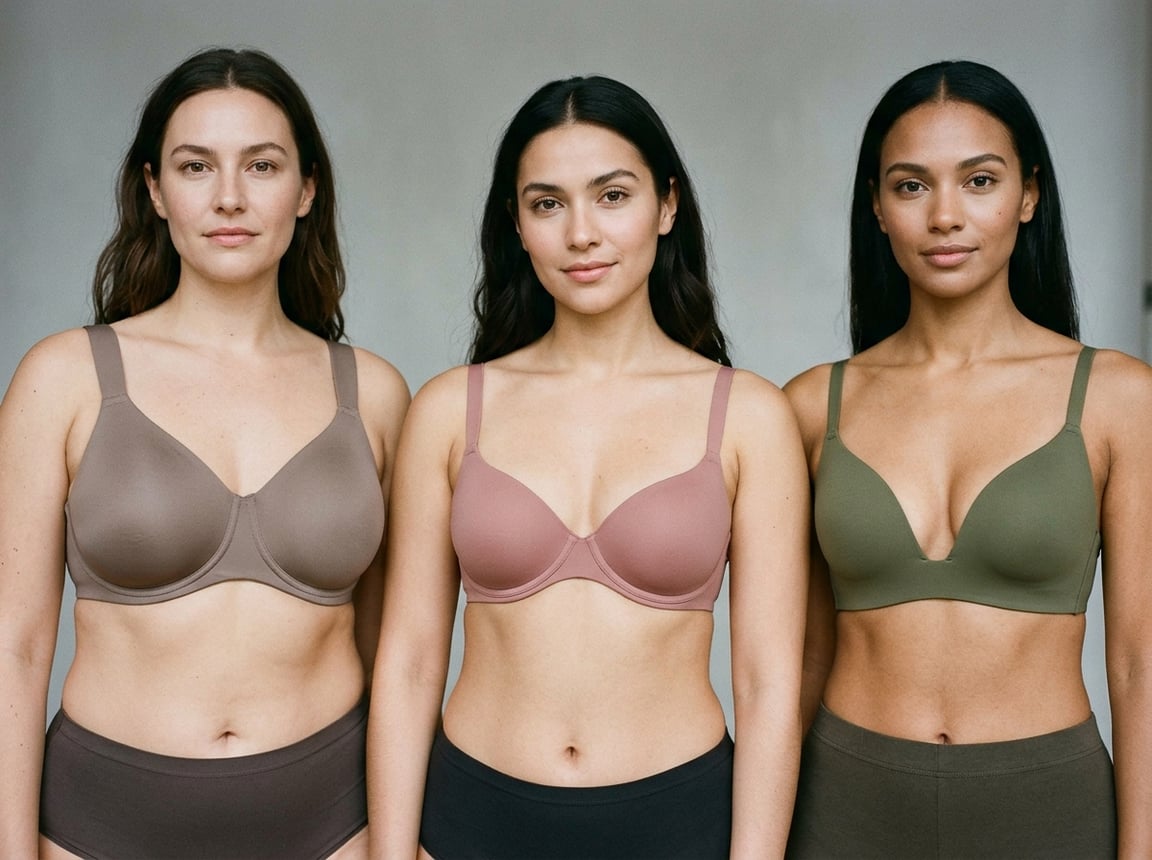
A full-coverage bra has tall cups that cover most of each breast, including the upper breast, along with higher sides and usually a taller centre panel. A demi bra has a lower cup edge that leaves the upper breast more open, while a plunge bra dips low in the centre for deep necklines. Choose full coverage when you want your breasts fully contained under everyday clothes.
You don't need a large bust to prefer that secure, covered feeling. The right choice depends on how the cup sits on your body and where its edges fall under your clothes, from a high-neck kurta to a wrap top. Even in the same size, each cup shape fits a little differently.
Key Takeaways
- Full coverage: tall cups and higher sides that contain the upper breast, ideal under everyday and high-neck clothes.
- Demi: a lower, more open cup edge for scoop and square necklines.
- Plunge: a low centre that suits deep V and wrap necklines.
- Coverage isn't support: support comes from a secure band and well-built cups, so fit matters more than the amount of fabric.
What Makes a Bra Full Coverage?
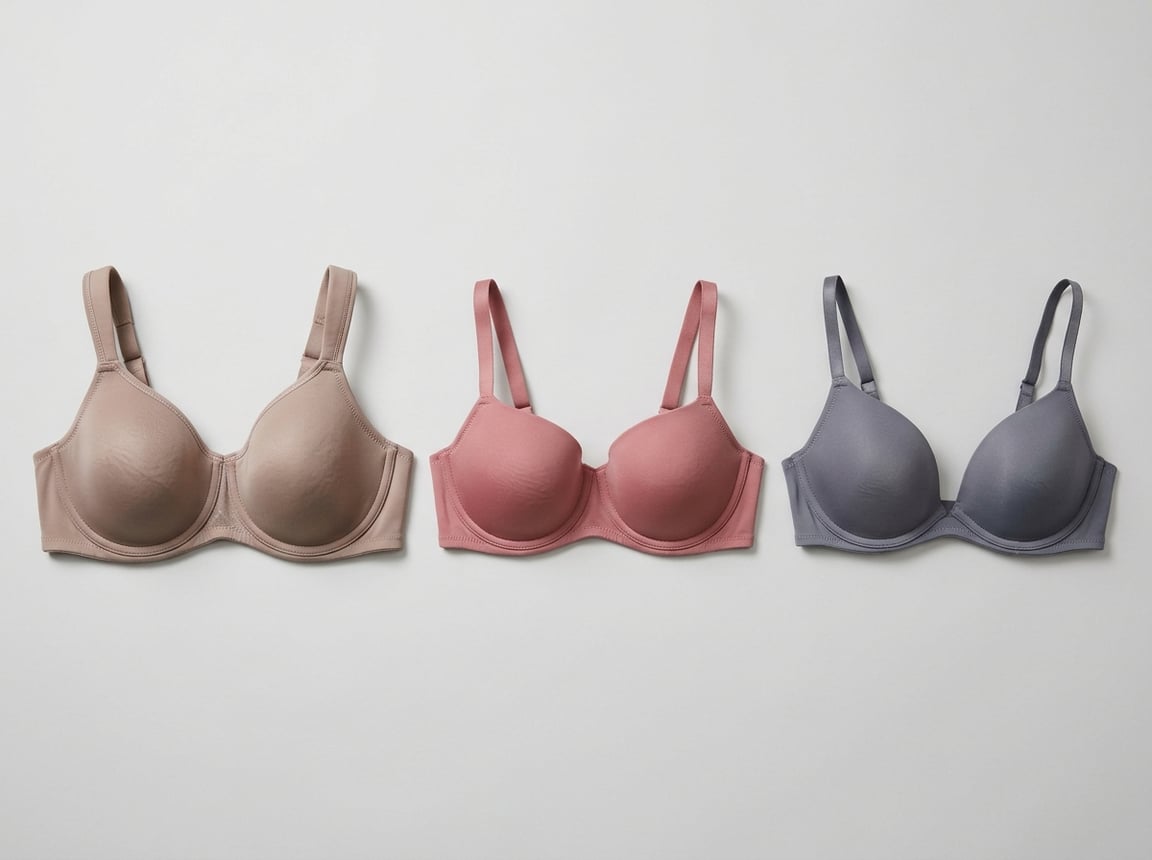
A bra is full coverage when its cups are tall enough to enclose most of your upper breast. Many full-cup designs also have higher sides and a taller centre panel.
How Full Cups Hold the Breast
In a full cup bra, the fabric reaches above the fullest part of each breast. The top edge should follow your shape smoothly, with all your breast tissue sitting inside the cup.
Full cups can be made from sewn sections or a single moulded cup. Side support panels, the firmer sections at the outer edge of the cup, help guide your breasts forward. Check that the side edge clears your underarm without rubbing when you reach forward.
Why Coverage and Support Aren't the Same
Coverage describes how much of your breast the cup encloses. Support comes from a secure band and a cup structure that carries your breast weight comfortably.
An underwire bra gives you a shaped frame around the base of each breast. A wireless design relies on the band, fabric strength and cup construction instead. Extra fabric alone won't fix a loose band or cups that slide down, which is why researchers at the University of Portsmouth's Research Group in Breast Health advise women to focus on fit rather than the size on the label.
How Do Demi and Plunge Bras Compare to Full Coverage?
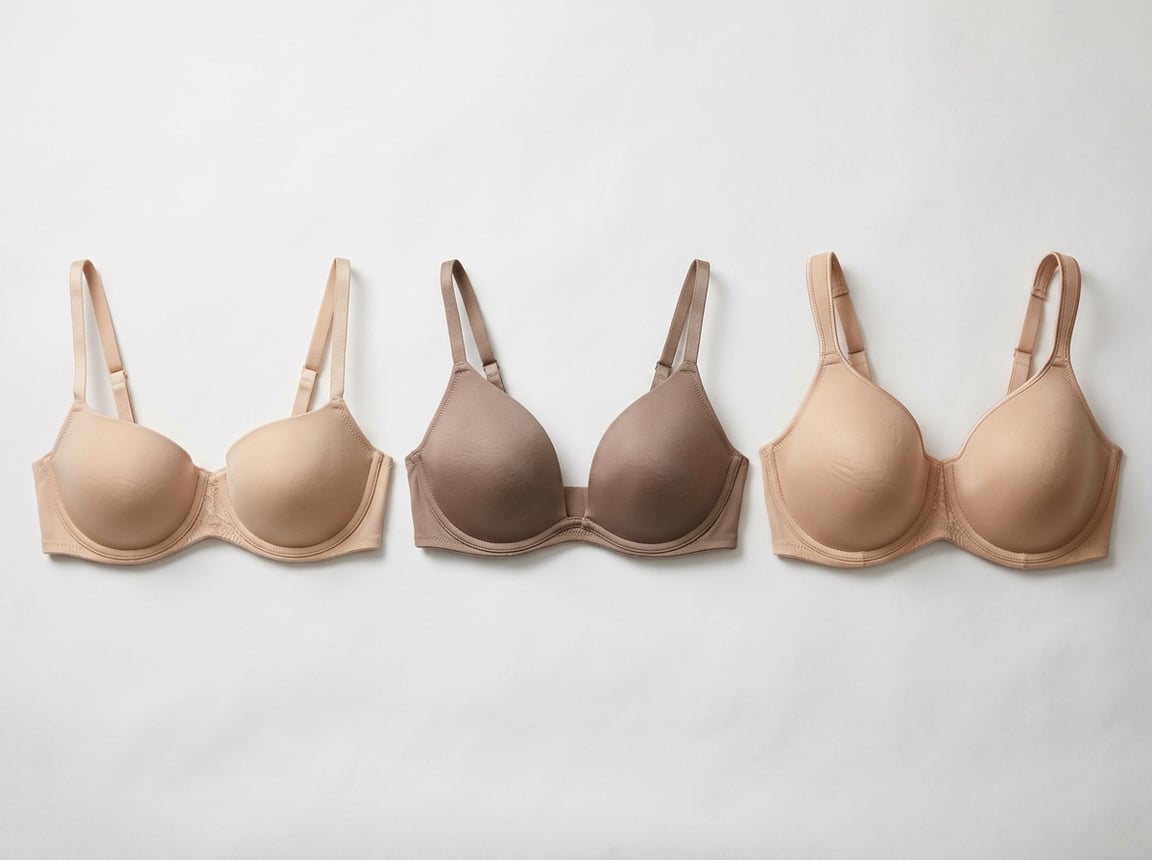
The main differences are at the top edge of the cup and between your breasts. Demi cups leave more of the upper breast exposed, while plunge cups dip lower in the centre.
What Is a Demi Bra?
A demi bra has a lower, more open top edge that leaves part of your upper breast uncovered. Its straps often sit towards the outer edge of the cup.
In a demi bra vs full coverage comparison, look at where the top edge crosses your breasts. You want a smooth line under your clothes. If that edge presses into your breast, you need a different size or cup shape.
What Is a Plunge Bra?
A plunge bra has a low centre panel that creates a deep V at the front. That makes it ideal under a plunge neckline or wrap-style top.
Side coverage still depends on the design. A plunge with tall outer cups contains you very differently from a very low-cut style. Padding is a separate feature, so check the product description if you want lift.
Where Does a Balconette Fit In?
A balconette bra has an open neckline and wider-set straps. Its top edge runs straight across or in a gentle sweetheart curve, which suits some square necklines.
Brands often use the demi and balconette labels interchangeably, so check the product photos for the actual cup height. Wider-set straps can also slip if you have narrow shoulders.
Full Coverage vs Demi vs Plunge at a Glance
Use the cup edge and centre height to narrow your options, then check the fit. Brands use these labels differently, so always try your final choice under the outfit you plan to wear.
| What to compare | Full coverage | Demi | Plunge |
|---|---|---|---|
| Top edge of the cup | Higher | Lower and open | Angled towards the centre |
| Centre panel | Usually taller | Varies by design | Low |
| Upper-breast coverage | Fullest | More exposed | Open towards the centre |
| Best necklines | High necks, kurtas, shirts | Scoop or square | Deep V or wrap |
| Side coverage | Often taller | Depends on the style | Depends on the style |
Which Coverage Suits Your Bust and Outfit?
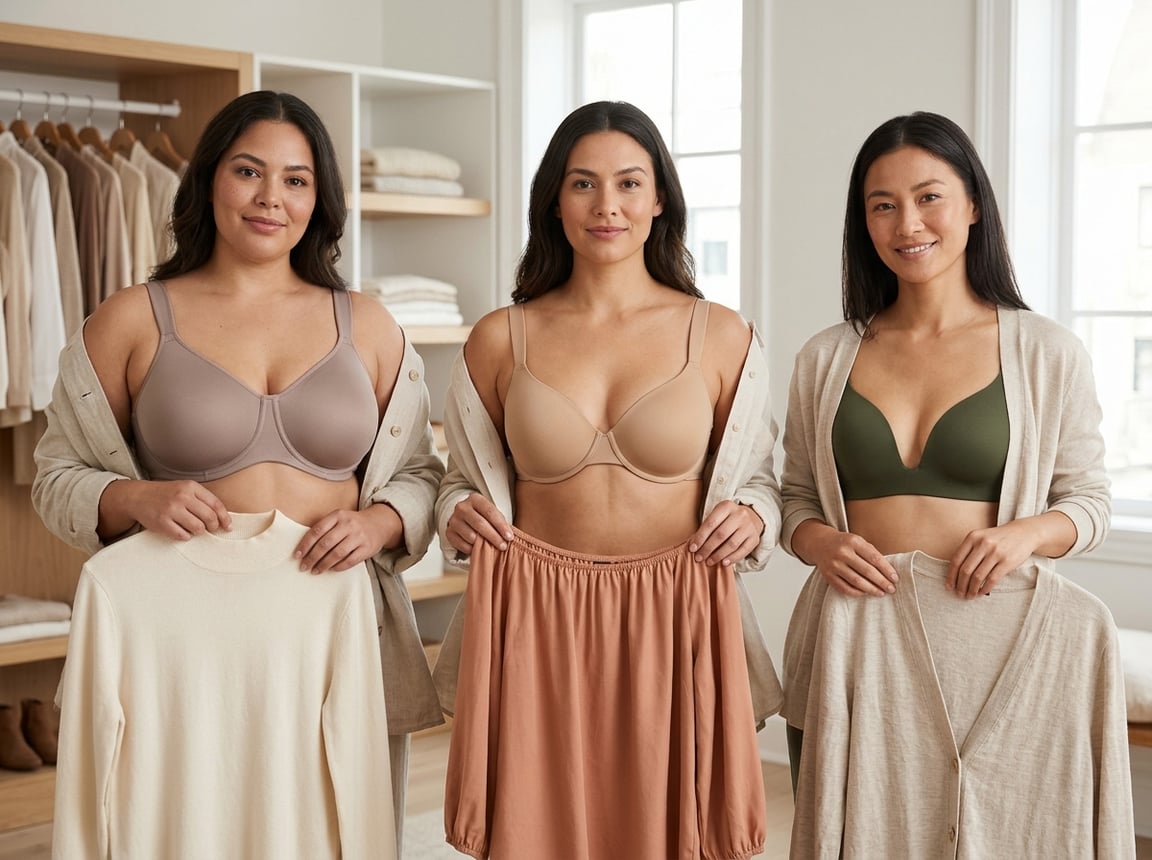
Choose full cups when you want your upper breast contained, then match the cup edges to your clothes. Your preferred shape and everyday comfort help you choose between styles with similar coverage.
Choosing a Full-Coverage Bra for Heavy Breasts
If you need a full coverage bra for heavy breasts, start with a firm band and cups deep enough to hold your breasts without flattening them. Reinforced cup sections add structure, and wider straps spread pressure across your shoulders. That matters, because Cleveland Clinic notes that bra straps carrying too much weight can leave painful indentations along the shoulders.
Full-figure bras for larger busts are designed around these needs. "Full coverage" describes the cup cut, while "full figure" describes the size range and support level, so you still need to check your exact band and cup size.
Matching Cup Edges to Everyday Necklines
Under a high-neck kurta or everyday shirt, a taller full-coverage cup works well. With a lower scoop neck, a demi gives a more open front, and a deep V needs a plunge.
Try the bra under your actual outfit, then sit and bend. Under thin lawn, cotton or silk, check the seams as well as the coverage, because raised lace shows a different outline from a smooth cup.
Wired, Wireless, Lined or Push-Up?
Coverage is separate from wiring, lining and lift. You can choose a full coverage wireless bra or a wired one in a similar cup shape. A lightly lined bra adds a thin layer for shape and modesty, while thicker padding changes the feel and outline.
For a full coverage push up bra, check both the cup height and where the padding sits. Our guide to the difference between padded and push-up bras explains how each one shapes your bust.
A minimizer bra is different again: it reduces how far your bust projects forward under clothes, while full coverage describes how much breast the cup encloses. Our minimizer bras guide explains when to choose one.
How Should a Full-Coverage Bra Fit?
A full-coverage bra should sit level around your ribs and hold your breasts without cutting in. You should feel supported while you breathe and move, without needing to keep adjusting it.
Check the Band, Cups, Straps and Centre Panel
Start with the band, then settle your breasts fully into the cups before you adjust the straps. A new bra should fit on the loosest hook, so you can tighten it as the elastic relaxes.
- Band: sits level all the way round and doesn't ride up at the back.
- Cups: your breasts stay inside the top and side edges.
- Straps: stay in place without digging in.
- Centre panel: in an underwired bra, it rests comfortably against your chest. Wireless bras sit differently, because they have no rigid wire frame.
Spotting Spillage, Gaping and Shape Mismatches
If breast tissue spills over the top or near your underarm, settle your breasts into the cups again and check whether the edge still cuts in. If it does, the cup is too small or the wrong shape.
When you're solving common bra fit problems, look at cup shape as well as size. Gaping at the top with tightness lower down usually means the shape doesn't match yours. If changing size fixes one problem but causes another, try a different cup style.
Use Size Tools and Fitting Help
Take your underbust and fullest-bust measurements, then use our Bra Size Calculator for a starting size. To find the best full coverage bra for your body, check each style's fit using the steps above.
If you're unsure, book a free 30-minute virtual bra fitting with one of our expert stylists.
What to Look For in a Full-Coverage Bra in Pakistan
When choosing a full coverage bra in Pakistan, compare the fabric, the support features and the exact sizes each style comes in. Product details tell you far more than a general "supportive" label.
Breathable Fabrics for Warm Days
For hot, humid days, many women prefer cotton bras because they feel soft and absorb sweat. Cotton stays damp after heavy sweating, though, so think about how active your day will be.
Check the lining and cup layers too. A cotton bra with thick foam cups feels very different from a non-padded cotton cup.
Full-Coverage Styles to Compare
For everyday cotton comfort, the X-Over Cotton Bra with Full Coverage Support has non-padded, full-coverage cups and soft, breathable cotton. The IFG Comfort 15 Deluxe is another cotton option, with full coverage, a minimizing shape and wide straps.
For a heavy bust, the Triumph Doreen Bra for E, F, G and H cups is a non-wired full-cup minimizer in bands 32 to 46. The Minimizer 112 N is non-wired with full coverage, in bands 32 to 40 and cups C to G. Check the size selector on each product, since not every band and cup combination is available in every colour.
Frequently Asked Questions
Are full-cup and full-coverage bras the same?
Usually, yes. "Full cup bra" and "full-coverage bra" describe the same higher-coverage shape. Check the product photos, though, because the height of the top edge and sides varies between styles.
Can a demi bra support a heavy bust?
Yes, if its band and cups suit your breast weight. Check that your breasts stay inside the lower cup edge when you bend, without cutting in or slipping towards the centre.
Can a plunge bra cover the sides fully?
Yes. A plunge bra is defined by its low centre, so it can still have tall sides. Check the outer cup and underarm edge separately, because a low front tells you nothing about side height.
Does a full-coverage bra make your breasts look smaller?
Not automatically. Your outline depends on how the cup is shaped, not how much it covers. If you want less forward projection under a shirt, choose a minimizer bra.
Can a full-coverage bra be wireless and supportive?
Yes. A full coverage wireless bra can be very supportive with a secure band and structured cups. When checking how a wireless bra should fit, make sure the band stays put and the straps feel comfortable after you move.
Conclusion
A full-coverage bra is the best choice when you want tall cups that keep your breasts fully contained under everyday clothes. A demi bra suits lower scoop and square necklines, and a plunge bra suits deep V and wrap styles. Remember that coverage describes the cup cut, while support comes from a well-fitting band and well-built cups.
Before you settle on a style, try it under your usual outfits and check it while sitting, reaching and bending. Look for a level band, smooth cup edges and breasts fully contained without pressure at the top or sides. If you're unsure of your size, start with our Bra Size Calculator or a free virtual fitting.