

What Is a Plunge Bra? Who Should Wear It and When to Choose One
A plunge bra is a bra with a deep V-shaped neckline and a low centre gore, so the cups sit further apart and stay hidden under low-cut clothing. It suits deep-neck kurtas, wrap tops and V-neck dresses, and works best for small to medium busts wanting a lifted, closer-together shape.
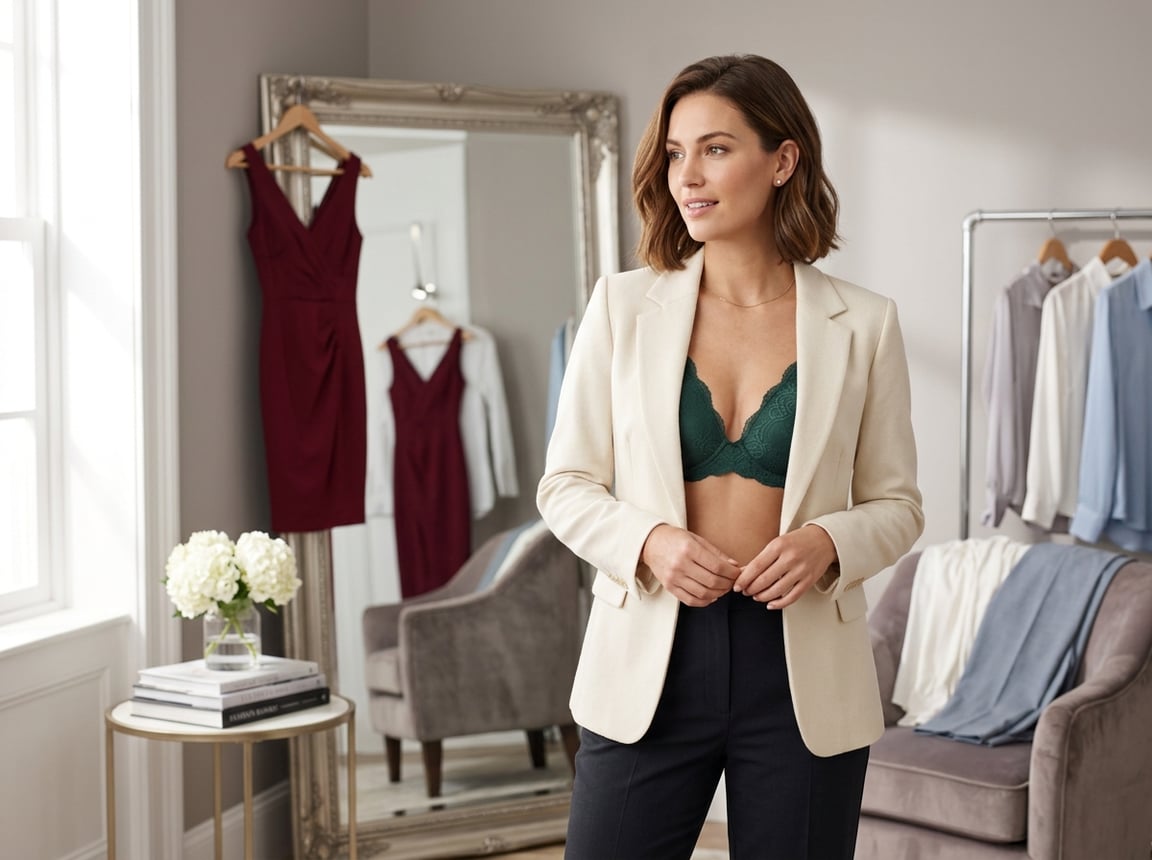
You may benefit from a plunge bra if you want more cleavage without a high centre panel showing above your V-neck or deep-neck outfit. Its angled cups can create a natural-looking lift, while the shorter centre support helps the bra sit comfortably on your chest.
Your best choice depends on your breast shape, size, support needs, and outfit. You will also need to compare plunge styles with push-up, balconette, strapless, and full-coverage bras, while checking fit, fabric, support, and availability when shopping in Pakistan.
Defining the Plunge Silhouette
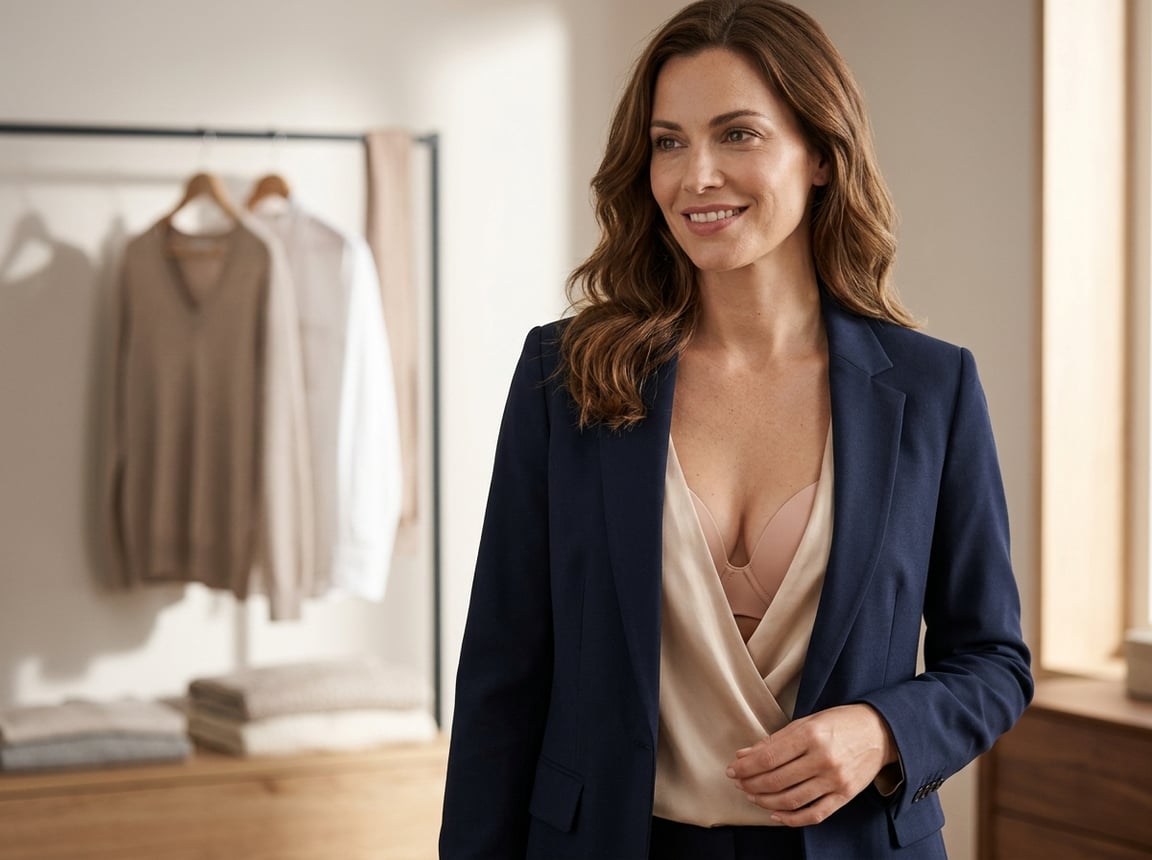
A plunge bra uses a low centre gore, angled cups, and carefully placed support to sit beneath deep necklines. Its design can reduce neckline visibility while shaping and centring your bust.
The Low Centre Gore
The centre gore is the fabric panel between the cups. In a plunge bra, it sits lower than it does in a full-coverage or T-shirt bra, often dropping several centimetres toward the band.
This low centre creates the defining V-shaped front. It lets you wear a deep neck bra under low-cut tops and dresses without the gore showing between your breasts. The cups usually angle inward, which can bring your bust toward the centre without relying only on padding.
A low gore does not suit every breast shape. If your breasts sit close together, a standard plunge may press uncomfortably or cause spilling at the centre. Check that the gore rests securely without digging into your skin.
Cup Coverage and Neckline Visibility
Plunge cups provide less coverage at the inner top edge than full-cup styles. Their lower, angled shape follows a V neckline and helps keep the bra hidden beneath wrap dresses, low-cut blouses, and other revealing clothing.
Cup coverage still varies by design. Some plunge bras use lightly lined cups for a natural shape, while others add padding near the bottom or sides for more lift. A deeper neckline may require a lower plunge, but choosing the lowest style can reduce breast containment.
Put on the garment you plan to wear when checking fit. Bend, sit, and move your arms to see whether the cup edge or centre gore becomes visible. Your breasts should remain inside the cups without spilling over the top or sides.
Underwire Support
Most plunge bras use underwire to support the lower and outer parts of your breasts. The wire follows the breast root and transfers weight into the band, while the cups shape your bust from below.
Because the centre gore is low, the wires may meet close to the bottom of your sternum rather than extending high between your breasts. The wire should lie flat against your body, with no sharp pressure, gaps, or pinching at either end.
Your band provides much of the support, so it should feel firm and level around your back. If the cups spill, wrinkle, or shift when you move, try a different cup size or another plunge shape instead of tightening the straps excessively.
How It Compares With Other Bra Styles
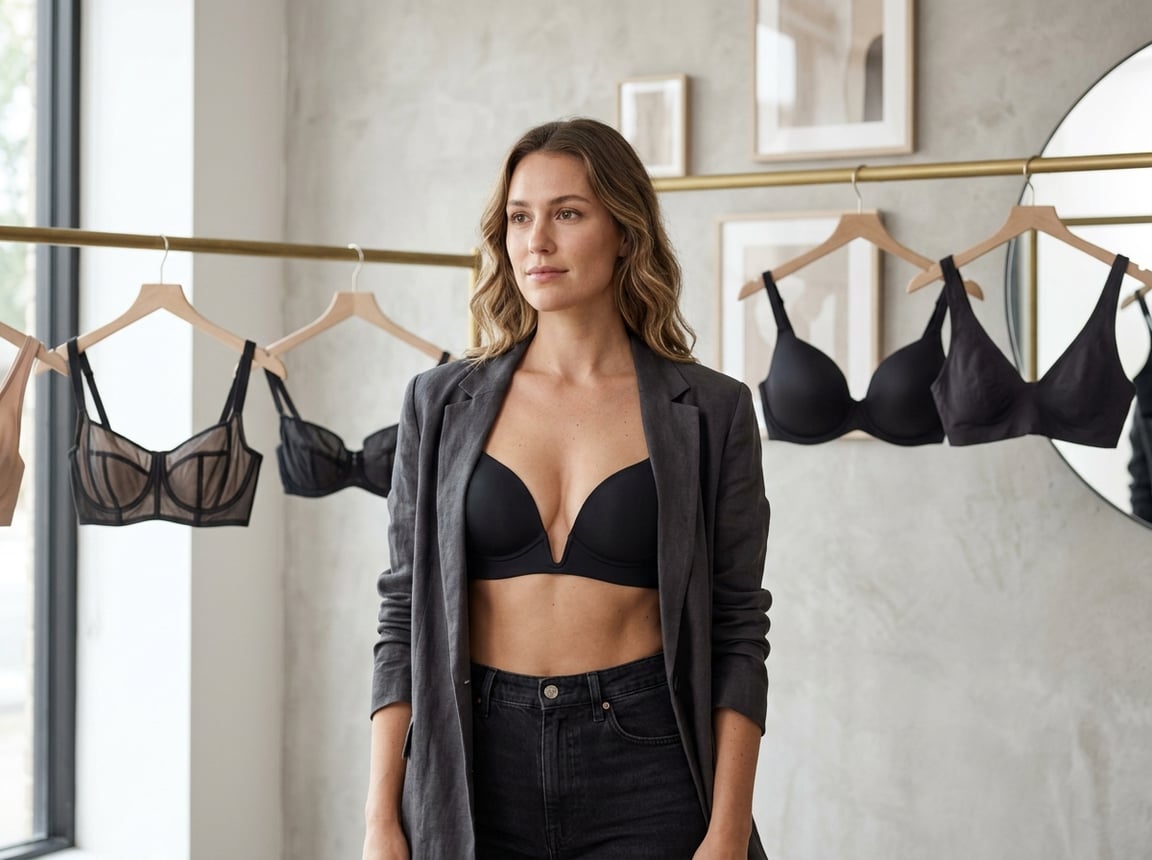
Bra styles differ mainly in cup shape, coverage, support, and the necklines they suit. A plunge bra keeps the center low, while push-up, balconette, and demi-cup designs use different shaping and coverage to create their fit.
Plunge Bra Vs Push-Up Bra
A plunge bra has a low, V-shaped center gore. Its cups angle inward and often create a natural-looking lift while staying hidden under low V-necks, wrap tops, and deep dresses. The main purpose is neckline compatibility.
A push-up bra uses padding, angled cups, or added structure to move breast tissue upward and inward. It can have a plunge shape, but not every push-up bra has a low center. Some push-up designs have higher coverage and may show under a deep neckline.
| Feature | Plunge bra | Push-up bra |
|---|---|---|
| Main purpose | Fits low necklines | Adds lift and cleavage |
| Center design | Deep V | V-shaped or higher |
| Padding | Light, moderate, or none | Often moderate or heavy |
| Best match | Plunging tops and dresses | Outfits needing extra lift |
Choose a plunge bra when hiding the center gore matters most. Shop push-up bras when you want stronger shaping, but check the neckline and padding before buying.
How a Balconette Cup Differs
A balconette bra has cups that sit higher across the bust, with a more horizontal neckline. Its straps often sit farther apart, and its seams or panels lift the bust from below. This creates an open, lifted shape without the deep center of a plunge bra.
You can wear a balconette under square, wide, or sweetheart necklines. It may show under a narrow V-neck because the cup edge and center section sit higher. The style can offer firm support, especially when it uses structured cups and wider bands.
A plunge bra directs the bust inward and leaves more space at the center. A balconette lifts from below and spreads coverage across the upper bust. Your choice depends on both your breast shape and the neckline of your clothing.
Demi Cup, Balconette, and Other Alternatives
A demi cup covers about half to three-quarters of the bust, depending on the brand and design. It usually has a lower, more horizontal cup edge than a full-coverage bra. You can wear it under scoop, square, and sweetheart necklines, but it may not stay hidden under a deep V.
A balconette and demi cup can look similar, but their construction differs. A balconette often has wider-set straps and stronger lift from the lower cup, while a demi cup may use a simpler, lower-cut shape.
Other useful options include:
- T-shirt bras: Smooth cups reduce visible lines under fitted clothing.
- Full-coverage bras: Higher cups provide more coverage and support.
- Strapless plunge bras: Combine a low center with removable straps.
- Adhesive cups: Work for backless or very low-cut outfits but provide limited support.
Check the bra’s cup edge, center height, and support before choosing it for a specific outfit.
Who May Benefit From This Style
A plunge bra can suit you if you want lower cup coverage, a low centre front, and a neckline that stays hidden under V-neck clothing. Your best choice depends on your bust size, breast shape, and the support you need from the band and underwire.
Choosing a Plunge Bra for a Small Bust
If you have a small bust, a plunge bra can add shape without covering much of your chest. Angled cups bring the breasts slightly toward the centre, which can create natural-looking cleavage under a low-cut top or dress.
Look for cups that lie flat against your skin. Gaping at the top usually means the cup is too large or too deep. If you want more volume, choose light padding or molded cups rather than very thick padding, which may look uneven under clothing.
A plunge bra for a small bust should also have a firm, comfortable band. The band provides much of the support, while the underwire helps hold the cups in place. Try the bra with the clothing you plan to wear so you can check that the centre front remains hidden.
Fit Considerations for Fuller Busts
If you have a fuller bust, choose a plunge bra with enough cup depth and strong support. A low centre front does not remove the need for a secure band, stable underwire, and cups that fully contain your breast tissue.
Look for side support panels, firm fabric, and wide or adjustable straps. These features can help guide your breasts toward the centre while reducing movement. A plunge bra may show more cleavage than a full-coverage style, but it should not cause spilling at the top, sides, or centre.
Check the underwire carefully. It should surround the breast without sitting on breast tissue or pressing painfully into your body. If you need more coverage, select a deeper plunge cup or a style with a taller side panel.
Finding the Right Band and Cup Fit
Start with a band that feels firm on the loosest hook. It should sit level around your body and allow you to slide two fingers underneath without excessive tightness. A loose band can ride up and may leave the underwire unable to support your bust.
After putting on the bra, lean forward and use the scoop-and-swoop method to place your breast tissue inside the cups. The wire should sit in the crease beneath your breast, and the cup should lie smoothly without wrinkles, gaps, or overflow.
Cup coverage varies between brands and designs, so do not rely on the size printed on the label alone. Try nearby sizes if the band or cups do not fit correctly, and test the bra while sitting, bending, and moving your arms.
Outfits and Occasions That Suit It
A plunge bra works best with clothing that has a low front or a narrow center opening. You can also choose strapless or adhesive styles when standard straps would show around the shoulders or back.
When to Wear a Plunge Bra
Wear a plunge bra under V-neck tops, wrap dresses, low-cut blouses, and evening dresses. Its low center gore helps keep the bra hidden while the cups provide shape and support. It suits both everyday clothing and special events, depending on its fabric and structure.
For work, choose a smooth, lightly lined style beneath a modest V-neck blouse or knit top. For weddings, parties, or date nights, a lace or satin plunge bra can work well under fancy occasion wear, provided it remains fully covered.
Research published in the Journal of Science and Medicine in Sport found that 85% of women were wearing ill-fitting bras, and that neither self-selection nor tape-measure sizing reliably corrected it. That is why the mirror matters more than the label. Check the neckline before dressing...
Check the neckline before dressing. If the garment dips lower than the bra, choose a deeper style, plunge bodysuit, or adhesive cups instead.
Pairing It With V-Neck and Deep-Neck Outfits
A plunge bra pairs naturally with V-neck and deep-neck outfits because its center section sits lower than that of a standard bra. This helps prevent the bra from appearing between the cups of your top or dress.
Choose a smooth, molded-cup style under fitted T-shirts, silk blouses, and bodycon dresses. It creates a cleaner line and reduces visible texture. For a wrap dress, select a bra with secure side support so the cups stay in place as you move.
Match the bra’s coverage to the outfit’s neckline. A regular plunge bra may suit a moderate V-neck, while a deep neck bra works better for a lower opening. Avoid forcing a standard bra under a deep neckline, since its center gore or upper cups may show.
Options for Halter and Strapless Looks
Halter necklines often expose the shoulders and move the straps toward the neck. A plunge bra may work if its straps adjust into a halter position, but check that the straps do not show above the garment.
For strapless dresses and tops, choose a strapless plunge bra with a firm band, silicone edging, and a close fit. These details help the bra stay put without relying on shoulder straps. Fit the band snugly, but make sure you can breathe and move comfortably.
Backless or extremely low-cut designs may require adhesive cups or a plunge bodysuit. Test the option with the outfit before wearing it for an event, especially when sitting, bending, or raising your arms.
Shopping Considerations in Pakistan
Your choice should balance price, fit, fabric, and the level of support you need. Compare local and imported options carefully, especially when you shop for a plunge bra in Pakistan, a lace bra collection, or fancy bras for occasion wear.
Understanding Plunge Bra Prices in Pakistan
The plunge bra price in Pakistan depends on the brand, fabric, construction, and place of purchase. Basic local styles often cost less, while imported bras and designs with molded cups, firm underwires, or extra support usually cost more. Lace details, padding, and decorative finishes can also raise the price.
Check the size range before you buy. A lower-priced bra may not offer your required band or cup size, while a higher-priced option may provide better shaping and stronger materials. Online prices may exclude delivery charges, and imported products can include added shipping or customs costs.
| Feature | What it may affect |
|---|---|
| Molded or padded cups | Shape and coverage |
| Strong underwire | Support and lift |
| Imported brand | Price and availability |
| Lace or satin finish | Appearance and care needs |
Selecting Fabric, Support, and Finish
Choose smooth microfiber or cotton-lined cups for regular wear because these fabrics feel comfortable under fitted clothing. Mesh can improve breathability, while satin and soft lace suit special occasions but may need gentler care. Avoid rough seams that show through thin shirts or irritate your skin.
Your plunge bra should sit firmly around your body without digging in. The center should rest close to your chest, and the cups should contain your breasts without gaps or spilling. For a fuller bust, look for wider straps, firm side panels, reinforced bands, and plunge designs made in larger cup sizes.
Check the finish before purchasing. Secure stitching, even lace, adjustable straps, and a firm hook panel can help the bra keep its shape. Follow the care label, and hand-wash delicate styles when possible.
Exploring Lace Options
A lace bra collection can include lightly lined, padded, unlined, and sheer styles. For daily use, choose lace placed over smooth, supportive cups. This gives you a decorative look without making the bra uncomfortable or visible beneath clothing.
For fancy bras for occasion wear, match the design to your outfit and the support you need. A low plunge style works with a deep V-neck, while a lace-front or satin finish can suit formal clothing. Check whether the lace feels soft and whether its pattern may show under thin fabric.
Do not choose lace based on appearance alone. Look for a stable band, comfortable underwire, and cups that stay in place when you move. If you plan to wear the bra for several hours, test it under the intended outfit before the event.
Frequently Asked Questions
A plunge bra suits low-cut clothing and can provide lift without a high center panel. Your breast shape, size, fit needs, and the level of support you want should guide your choice.
Who are plunge bras best suited for?
You may prefer a plunge bra if you often wear V-neck tops, wrap dresses, or clothing with a low center neckline. Its low, angled center allows the bra to stay hidden while the cups support and shape your breasts.
You should choose a different style if you need high coverage or if the cups do not fully contain your breast tissue. A correct band and cup size matters more than the bra style.
What breast shapes work best with a plunge bra?
Plunge bras often work well for breasts that sit close together or have more fullness at the bottom. The low center and angled cups can create a smooth, natural shape without covering much of the upper chest.
If you have wide-set breasts or more fullness at the top, look for cups with enough coverage and side support. You may need to try several designs because cup shape varies between brands.
Are plunge bras supportive enough for a larger bust?
Yes, a plunge bra can support a larger bust when it has the right construction and fit. Look for a firm band, strong underwire, wider straps, supportive cup fabric, and multiple hook settings.
Some plunge bras use reinforced panels or three-part cups to improve lift and stability. Avoid relying on a very low center alone; the band should provide most of the support.
Can a plunge bra be flattering for sagging breasts?
A well-fitted plunge bra can lift breasts with less upper fullness and create a more defined shape. Underwire support, angled cups, and firm side panels can help guide the breasts toward the center.
You may prefer a plunge style with taller side wings or fuller cups if you need more coverage. Check that your breast tissue does not spill from the top or sides when you move.
Are plunge bras a good option for smaller breasts?
Yes, plunge bras can suit smaller breasts, especially when you want a low neckline and a closer-set shape. Light padding or molded cups can add structure without requiring heavy push-up padding.
Choose cups that lie flat against your skin. Gaping usually means the cup shape or size does not match your breast shape, rather than that you need more padding.
How does a plunge bra differ from a push-up or balconette bra?
A plunge bra has a low, V-shaped center and angled cups, so it works well under deep necklines. It may include padding, but padding does not define the style.
A push-up bra uses padding, angled cups, or added lift to increase cleavage. A balconette bra has a higher, more horizontal neckline and usually offers broader upper coverage, making it better for square, boat, or wide necklines.
The Bottom Line on Plunge Bras
So, what is a plunge bra in practical terms? It's a style built around one job — disappearing under a low neckline while still lifting and shaping. The deep V and low centre gore are what separate a plunge bra from a push-up or a full-cup style, and they're also why it works so well with deep-neck kurtas, wrap tops and V-neck dresses. If your usual bra peeks out at the centre of a low-cut outfit, that's the specific problem a plunge cup solves.
That said, it isn't a daily driver for everyone. Smaller and medium busts tend to get the most from a plunge bra, while fuller cups usually need more coverage and side support for all-day wear. If you're still mapping out which styles belong in your rotation, our full breakdown of bra styles and guide to how a balconette cup differs are the logical next reads. When you're ready to shop, browse our push-up bras, fancy bras for occasion wear and lace collection.