

What Is a Demi Bra? Fit, Coverage, and Styling
A demi bra is a half-cup style with a lower-cut top edge that skips the upper part of the breast, showing more skin while still lifting and shaping from underneath. The word "demi" comes from French and simply means "half," which is a fair description of what's going on with the cup.
Most demi bras cover somewhere between half and three-quarters of the breast tissue, which lands them right in the middle between a barely-there plunge and a full-coverage everyday bra.
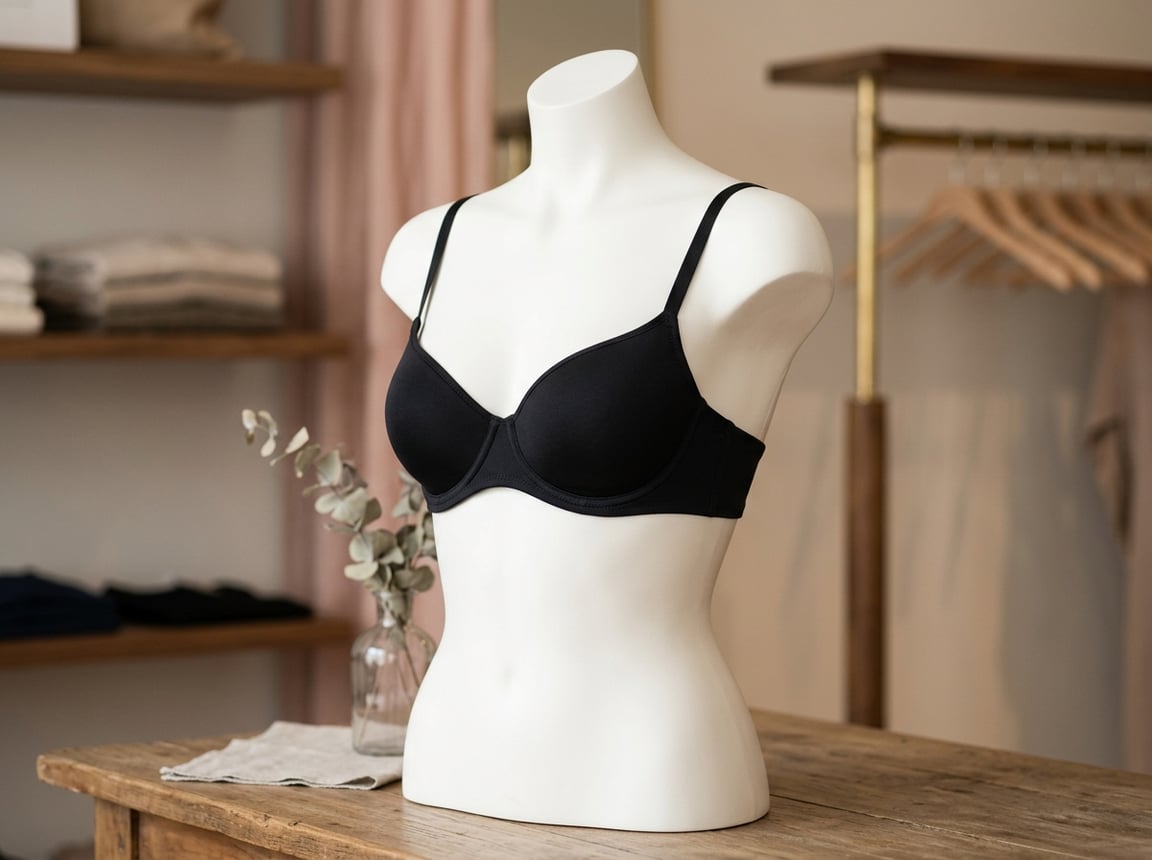
If you've been staring at a product page trying to figure out the demi bra meaning before you add it to your cart, here's the short version: it's a bra built to sit lower on the chest, angle the cup inward slightly, and create a rounded, lifted shape without the coverage of a full cup or the deep dip of a plunge.
It works well under a lot of tops and dresses, but not every demi is cut the same way, and the fit details matter more than the label.
The Defining Fit: Lower Cups, Lift, and Cleavage
A demi bra's defining feature is its lower, angled cup line, which sits across the upper breast instead of enclosing it, giving a lifted bust shape with visible cleavage.
Straps are usually set a little wider than on a full-cup bra, which helps position the breast rather than pulling everything toward the center. The exact cut still varies by brand, so "demi" on one label won't always look identical to "demi" on another.
How Much Coverage Does a Demi Cup Provide?
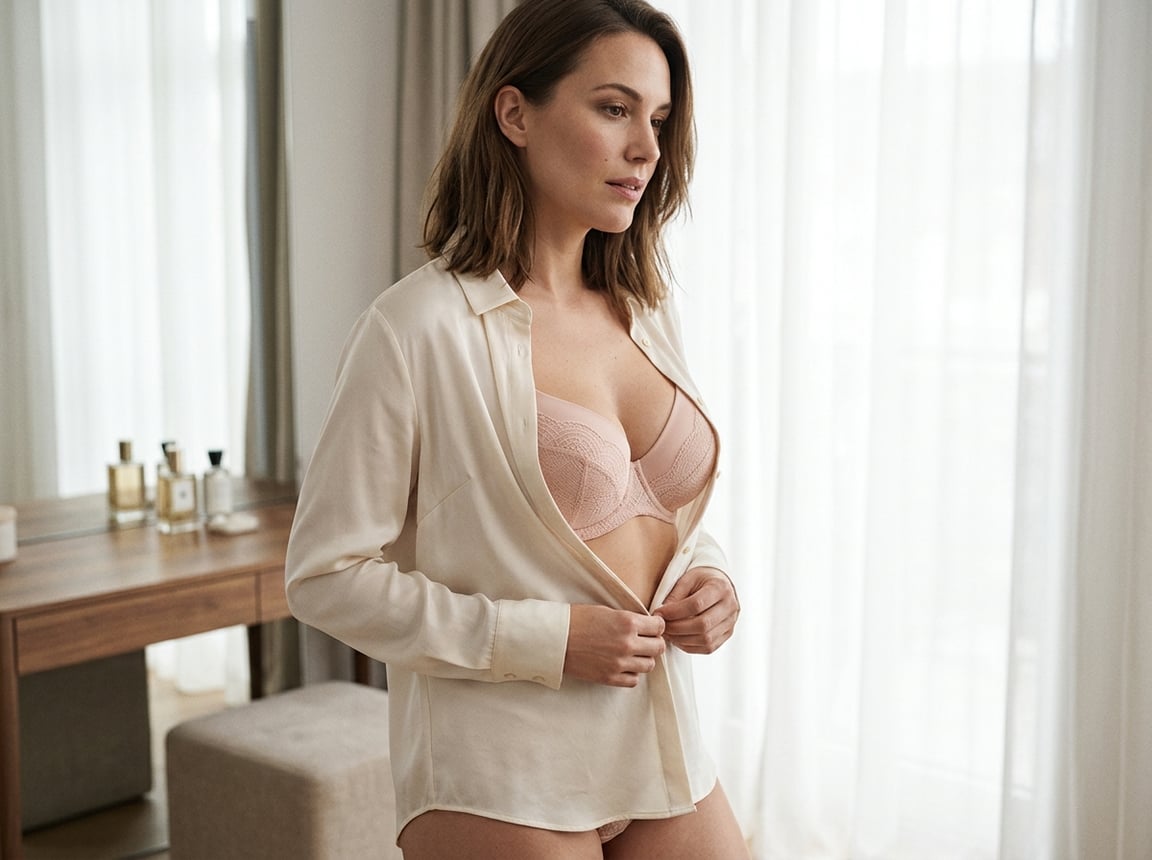
Half-cup coverage generally lands between 50% and 75% of the breast, depending on the brand's pattern and your specific size. That's the range Soma describes for its own demi bra collection, and it lines up with how most other lingerie brands define the style. The remaining upper portion of the breast stays exposed, which is the whole point of the cut.
Why It Creates a Lifted Bust Shape
The lift comes from the cup's lower, shallower construction rather than from padding. Because the top of the cup sits lower on the chest, it naturally pushes the bust slightly upward and forward, rounding out the shape without a heavy push-up pad underneath. Some demi styles do add light padding for extra shaping, but the lift itself is mostly a function of the cut.
Is a Demi Bra Also Called a Half-Cup Bra?
Yes, "demi bra" and "half-cup bra" are used interchangeably by most retailers and shoppers. Bravissimo's own style guide groups the "half-cup" description under the demi-cup category, noting it gives "an upfront, uplifted shape" with extra separation, as described in its bra style guide. The names describe the same basic concept: a cup that covers less than half to three-quarters of the breast.
Demi Cup vs. Full Cup, Balconette, Plunge, and Push-Up
A demi cup sits in the middle of the coverage spectrum, more revealing than a full cup, less structured than a balconette, and less deeply cut than a plunge.
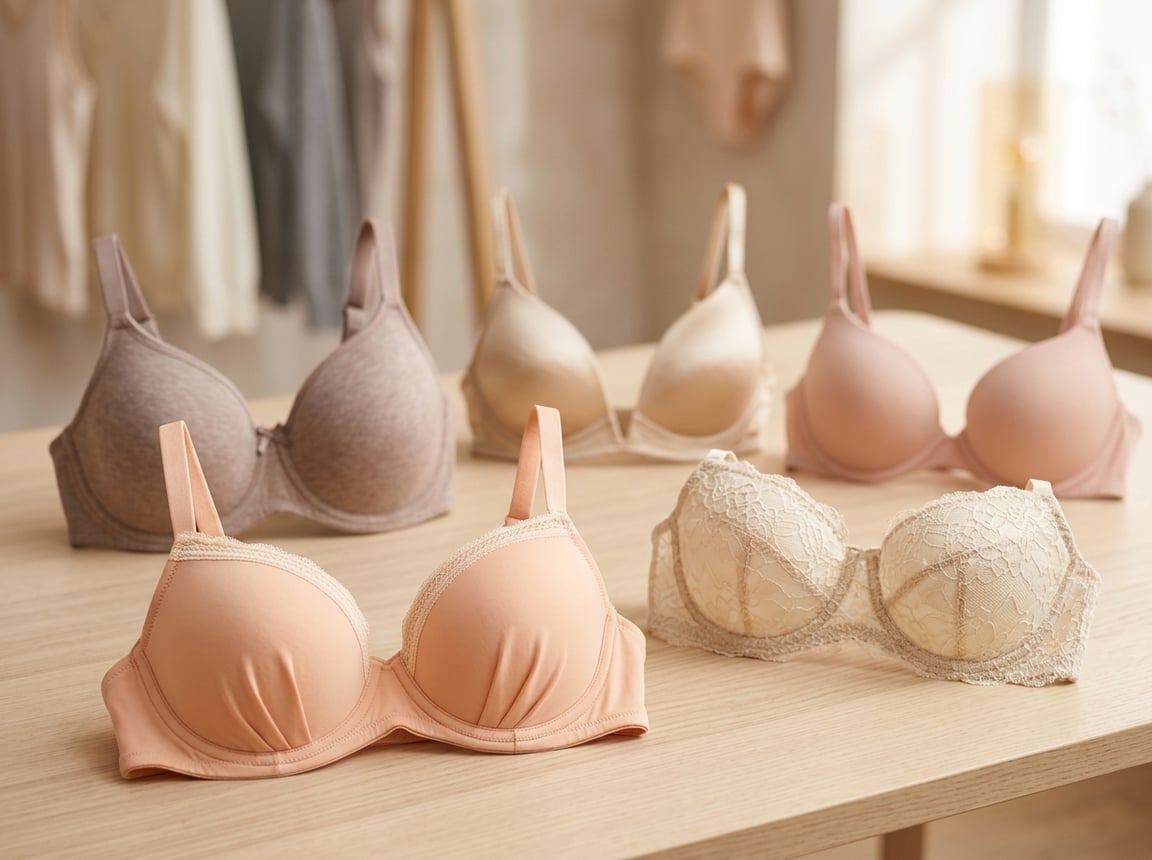
Push-up bras can come in a demi shape, but padding is what defines a push-up, not the cup coverage itself. Here's how the main styles stack up on the traits shoppers usually care about.
| Style | Coverage | Neckline Depth | Strap Placement | Best For |
|---|---|---|---|---|
| Full Cup | Highest | High, rounded | Centered, narrower-set | Maximum support, higher necklines |
| Demi/Half Cup | Half to three-quarters | Moderate, angled | Slightly wider-set | Low-cut tops, everyday lift |
| Balconette | Moderate to high | Straight, horizontal | Wide set, meet at cup's outer edge | Square or scoop necklines |
| Plunge | Lower at center | Deep V | Narrower gore, angled cups | Deep V-necks, wrap dresses |
Demi Cup Bra vs. Full Cup: Which Offers More Support?
A full-cup bra generally offers more all-over support because it encloses the entire breast with a higher, more structured cup. A demi cup trades some of that coverage for a lower neckline and a more open, lifted look. Neither is more "correct," it comes down to what you need for the outfit and how much coverage feels comfortable for your shape.
Demi Bra vs. Balconette: Why the Terms Can Overlap
Retailers use these two terms loosely, and it's common to see a bra listed as both. Victoria's Secret draws the distinction by noting a demi bra has "a slightly more inward and angled cup" that works well under V-neck or scoop tops, while a balconette "lifts horizontally from the base with wide-set straps for a straight-across" shape, according to its demi vs. balconette comparison. In practice, a balconette tends to have a straighter top edge and sits a touch higher on the chest, while a demi angles lower toward the center.
How a Demi Bra Differs from a Plunge or Push-Up Bra
A plunge bra has a much lower center gore and angled cups designed for deep V-necklines, while a demi's neckline sits higher and more moderate.
A push-up bra adds padding at the base of the cup to boost volume, and it can be built on a demi, balconette, or plunge shape. So, a "demi push-up" is possible, but "demi" and "push-up" describe two different things: one is about coverage, the other is about padding.
Which Necklines and Outfits Work Best?
A demi bra's lower cup line makes it a natural fit for necklines that would otherwise show a full-coverage bra peeking out. Square necks, scoop necks, sweetheart tops, and moderately low V-necks are where this style tends to shine, though a very deep plunge neckline may still call for a plunge bra instead.
Why It Suits Low-Cut Tops and Dresses
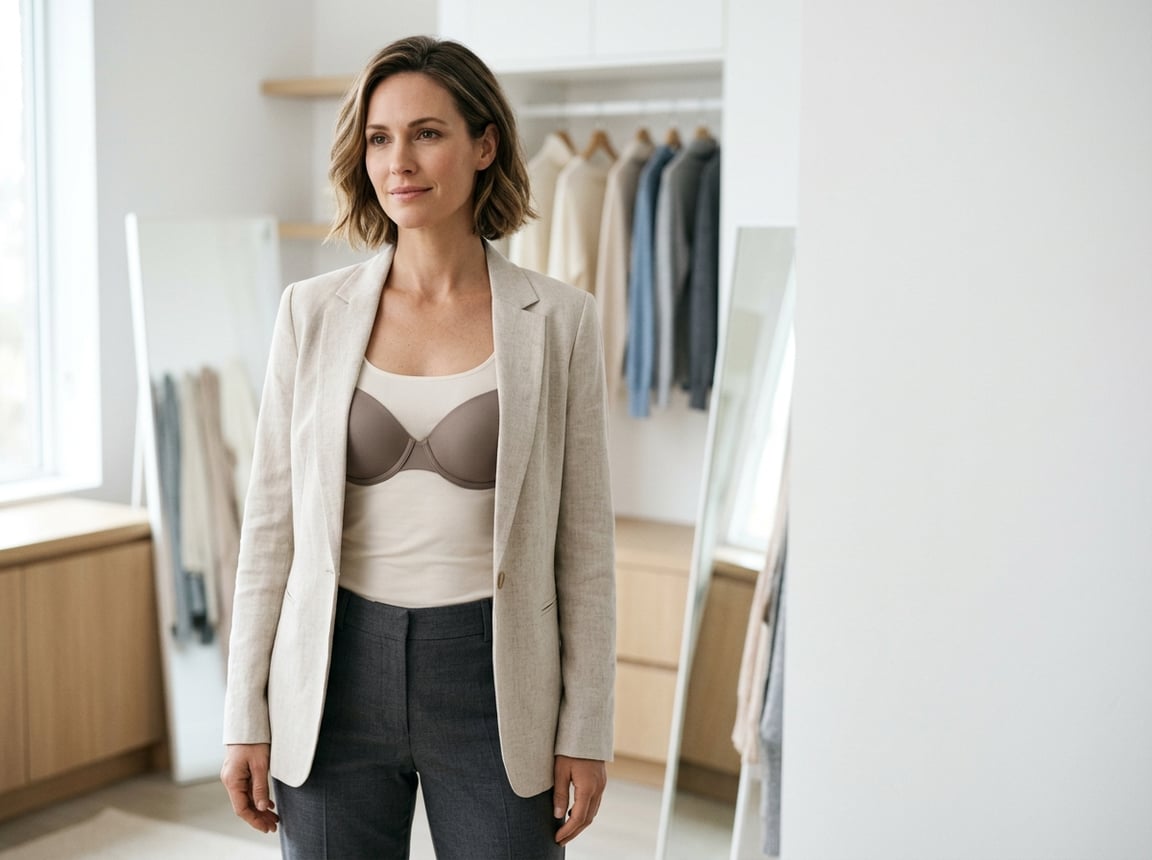
Because the cup sits lower on the chest, a demi bra for low neckline outfits stays hidden where a full-cup bra would show above the fabric line.
This makes it a go-to for fitted blouses, wrap dresses, and anything with a moderately open front. It's one of the more versatile styles for daytime tops that aren't cut too deep.
Pairing a Demi Bra with a Sweetheart Neckline
A sweetheart neckline, with its curved, heart-shaped dip at the center, pairs naturally with a demi bra's rounded lift. The bra's shaping echoes the curve of the neckline instead of fighting against it, which helps avoid a flat or squared off look under fitted bodices. This combination shows up often in going out tops and occasion dresses for exactly that reason.
When a Higher-Coverage Bra May Be the Better Choice
A crew neck, turtleneck, or higher V-neck usually doesn't need the extra reveal a demi offers, and a full-cup or balconette bra may feel more secure for those styles.
If you need more coverage for an athletic top or a conservative work blouse, sticking with a fuller cup keeps things simple. Comfort and coverage preferences are personal, so there's no rule that says a demi has to be skipped for higher necklines either, it's just less necessary there.
How to Tell Whether the Fit Is Right
A demi bra fits well when the band sits level and snug, the cups lie flat against the breast without gaping or spilling, and the straps stay put without digging in. Because the cup covers less territory than a full-coverage bra, small sizing misses show up faster and more visibly.
Signs the Band, Cups, and Underwire Fit Securely
The band should sit parallel to the floor and stay snug enough that you can slide two fingers underneath comfortably, the horizontal cup edge should sit smoothly across the breast, generally just above the nipple line, without creating a "double boob" look. Underwire should follow the natural root of the breast without poking at the sides or center.
Can People with a Larger Bust Wear This Style?
Yes, a larger bust can wear a demi bra, though it helps to look for wider straps and firmer underwire for extra stability. Some demi styles built for fuller cup sizes add side support panels to keep everything settled through the day. Fit matters more than cup size here, so trying a few brands is worth the effort if the first one doesn't feel supportive enough.
How to Avoid Cup Gaping or Spillover
Gaping at the top usually means the cup is too big, while spillover at the top or sides usually means it's too small or the wrong shape for your breast profile. Round or shallower breast shapes tend to fill a demi cup more evenly, but that's a general tendency, not a rule. If one brand's demi consistently gapes or spills, a different underwire angle or cup pattern from another brand often solves it.
Choosing a Demi Bra for Comfort and Everyday Wear
Padding, wire, and fabric choices change how a demi bra feels day to day, and picking the right combination matters as much as getting the size right. A lightly padded, wired demi tends to hold its shape best under fitted tops, while a wireless or unpadded version leans softer and more relaxed for casual wear.
Padded, Unpadded, Wired, and Wireless Options
Padded demi cups add light shaping and nipple coverage without heavy push-up volume, while unpadded (unlined) versions let the breast keep its natural shape and texture.
Wired demis give more lift and structure, while wireless demi styles trade a bit of shaping for softness and breathability. None of these is objectively better, it depends on whether you want a defined shape under clothing or a more relaxed everyday feel.
What to Look for When buying a Demi Bra in Pakistan
Shoppers looking for the best demi bra in Pakistan should check the brand's size range first, since demi cups fit differently across A through DD-plus and beyond, and not every retailer stocks the full spread.
Fabric matters too. Look for breathable cotton-blend or modal linings that hold up in warm, humid weather rather than fully synthetic linings that trap heat. Confirm the return or exchange policy before buying, since a demi's fit is harder to judge from a size chart alone, and check whether the cup depth suits the neckline you're planning to wear it under.
How to Compare Fabric, Size Range, and Return Policies
Lay a few options side by side before deciding fabric breathability, available band and cup sizes, and how flexible the return window is if the first fit misses. A brand with a narrow size range or a strict no-return policy on lingerie makes it harder to correct a fit issue later. Prioritizing these details over price alone tends to save a second purchase.
Finding the Coverage and Shape That Feel Right
A demi bra gives you a lower, angled cup that lifts and shapes the bust while showing more skin than a full-coverage style, without going as deep as a plunge. Coverage generally runs from half to three-quarters of the breast, though the exact cut, strap width, and padding vary by brand, so trying a couple of options is the fastest way to find your fit.
Whether you reach for a demi under a sweetheart top, a scoop neck, or a square-cut blouse, the right pick comes down to comfort, coverage, and how the cup sits against your own shape rather than any single universal rule.
Frequently Asked Questions
What is the point of a demi bra?
A demi bra is designed to give a lifted, rounded bust shape and visible cleavage while staying hidden under low-cut necklines that a full-coverage bra would show above. It offers half to three-quarters coverage, striking a middle ground between everyday support and a more revealing look for going-out or fitted tops.
What is the difference between a demi bra and a balconette bra?
A demi bra has a more inward, angled cup that works well under V-neck or scoop tops, while a balconette lifts horizontally with wide-set straps for a straighter, side-to-side shape suited to square or scoop necklines. The two terms overlap in retail listings, so checking the neckline shape on the product photo is often more reliable than the label alone.
Is a demi bra suitable for a large bust?
Yes, a larger bust can wear a demi bra comfortably by choosing one with wider straps and sturdier underwire for extra support. Some brands add side support panels specifically for fuller cup sizes, which helps limit spillage while keeping the lifted shape.
Are demi bras good for low-cut tops?
Yes, a demi bra for low neckline tops and dresses is one of its main selling points, since the lower cup line stays hidden below most moderately deep necklines. For very deep V-necks, a plunge bra with a lower center gore usually gives a better disappearing act.
How should a demi bra fit?
The band should sit level and snug enough to allow two fingers underneath, the cup edge should sit smoothly across the breast without gaping or spilling, and the straps should stay in place without digging in. If any of those three feels off, it's worth trying a different band size, cup size, or brand before assuming demi bras aren't for you.
Is a demi bra the same as a push-up bra?
No, a demi bra describes the amount of cup coverage, while a push-up bra describes added padding at the base of the cup to boost volume. A demi cup can be padded, unpadded, or built with push-up padding, so the two terms describe different features that can combine in the same bra.
Conclusion
A demi bra offers half cup coverage that lifts and shapes the bust without the extra fabric of a full cup style. It works especially well under low necklines, sweetheart tops and outfits that need a subtle boost. Understanding this difference makes it easier to choose the right bra for the right outfit.
If you often struggle with visible cups under fitted or low-cut clothing, a demi bra is worth adding to your collection. Pair it with your favorite going out tops or eveningwear for a smooth, confident silhouette. Explore our padded bra collection to find a demi style that fits your shape and comfort needs.