

Why Does My Bra Underwire Poke? How to Fix It (and When to Toss It) Causes, Quick Fixes, and Replacement Tips
Underwire pokes when the wire or cup shape stops matching your body or when the bra’s just plain damaged. That’s when you get pressure, rubbing, or the wire sneaking right through the fabric.
If the wire’s bent, exposed, or keeps digging in no matter what you do, you can patch it up for now, but replace the bra if the padding or casing is torn or the wire breaks.
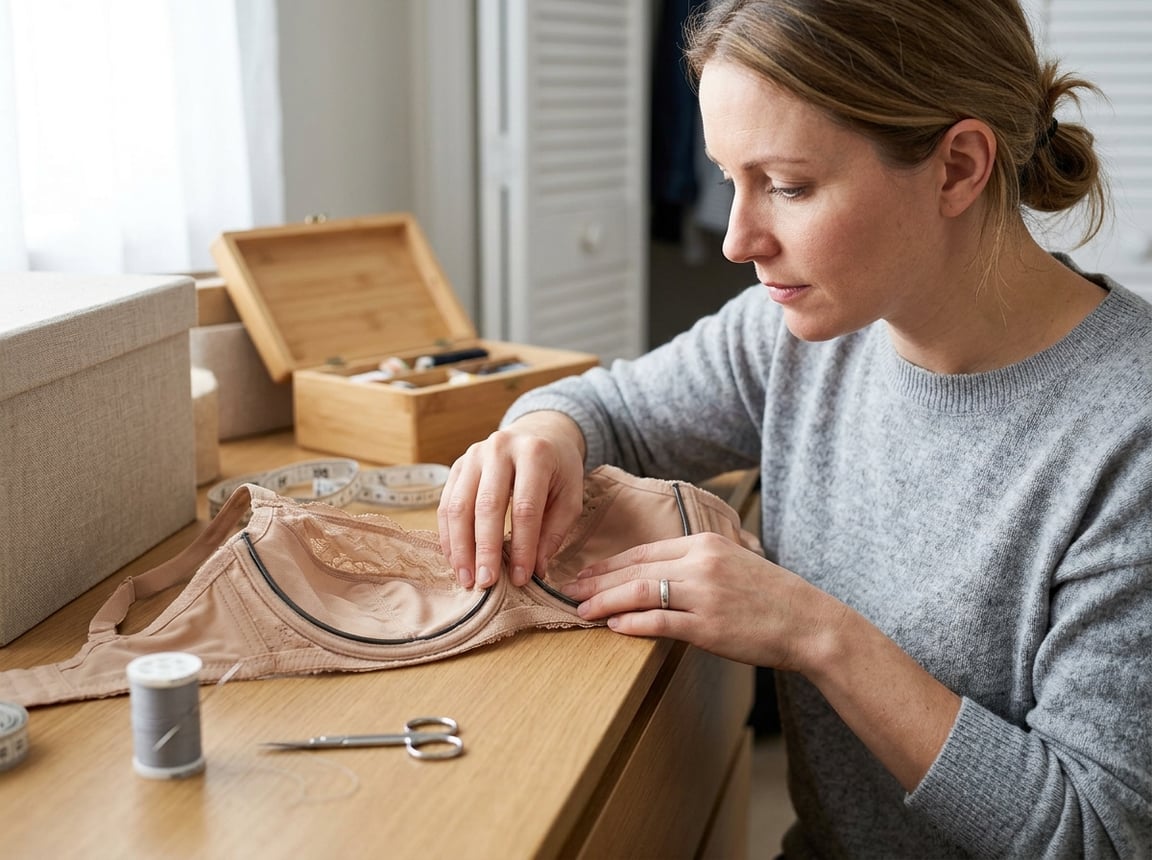
Let’s look at practical fixes, fit checks, and ways to stop the pain (or at least buy yourself a little time). You’ll find step-by-step tips for smoothing out a poke, avoiding repeat offenders, and picking a bra that won’t drive you nuts every day.
Underwire Bra Anatomy and How Fit Impacts Comfort
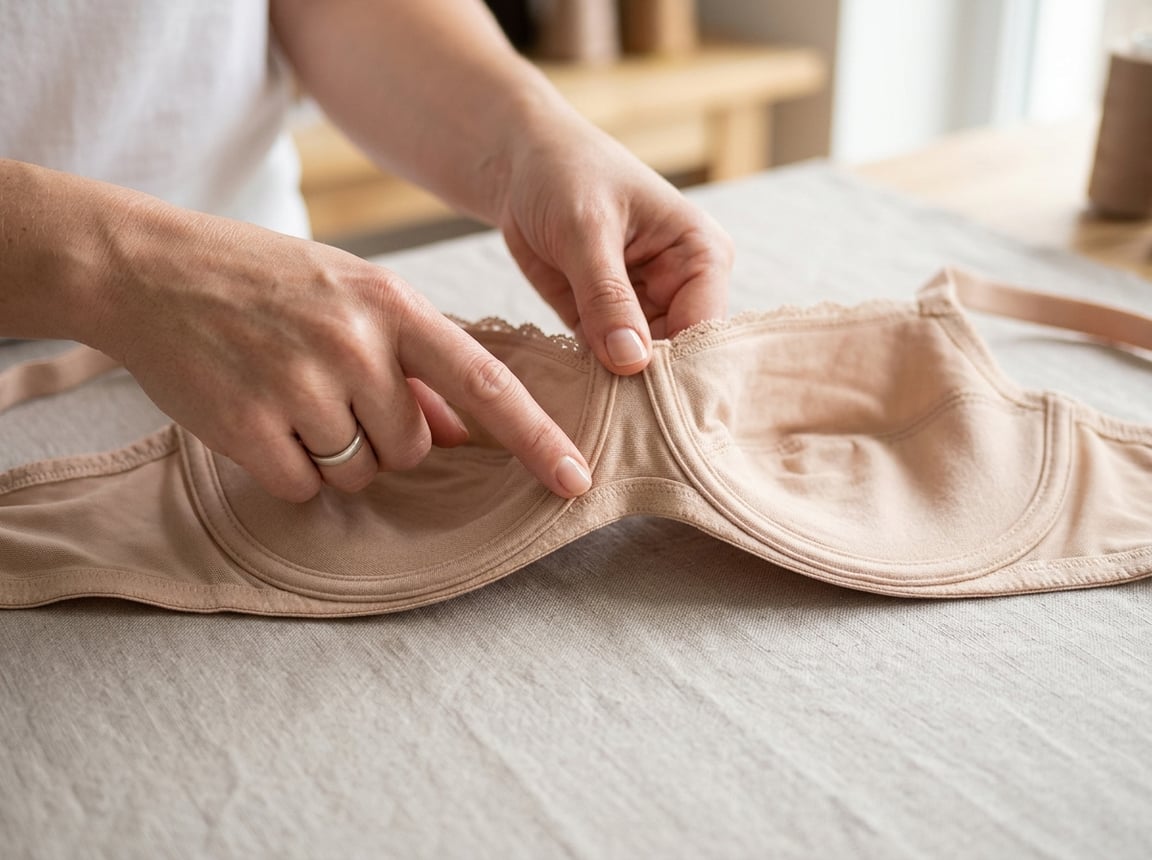
Underwire bras use a sewn channel of rigid or semi-rigid wire to shape and support the cup. Fit depends on your band size, cup shape, wire length, and where the wire sits on your body.
Key Parts of an Underwire Bra
Your typical underwire bra really has four parts that matter for comfort:
- Underwire: metal or plastic, shaped to follow your breast root. It’s what gives the cup its edge and sometimes, its attitude.
- Wire channel: a fabric tunnel that holds the wire. If this rips or shrinks, the wire can wander or poke out.
- Cups: shape and height decide if the wire hugs your chest wall or ends up sitting on breast tissue.
- Band and wings: the band’s doing most of the heavy lifting. If it’s loose, the wire’s going to roam and poke.
Check the wire length against your breast root width. Too long? It’ll jab your armpit. Too short? It sits on breast tissue. Always peek at seams and channels for wear; sometimes it’s the little things.
Common Bra Fit Problems and Myths
There are a handful of reasons underwire pokes, and honestly, a lot of old wives’ tales out there.
- Problem: Wire digs into the armpit usually means the wire’s too tall or long for your frame, or the cup style isn’t right. If you’re petite, shorter side wires might be your friend.
- Problem: Wire presses on breast tissue that’s almost always a cup that’s too small or a wire that’s too narrow.
- Myth: Underwire causes cancer. No, there’s no real evidence for that. The real issue is fit, and maybe some irritation from the material.
- Myth: Thicker band means no underwire problems. A strong band helps, but it’s not the only thing. Wire length and cup shape are bigger players.
Tackle the actual problem: try a size smaller, play with cup shapes (full coverage, demi, plunge), or look for bras with shorter side wires. Sometimes it’s trial and error.
How Underwire Should Actually Fit
When it fits, the underwire sits flat on your rib cage, following the curve of your breast root, without digging into soft tissue.
- It should wrap around the base of your breast, ending just before your armpit (not in the crease).
- The center gore should sit flat on your sternum. If it floats, you probably need a bigger cup or a different shape.
- The band should be snug and level. That’s what keeps the wires from bouncing all over the place.
Quick tip: gently press the wire edge inward. If it rests on bone, you’re good. If it pinches or leaves red marks, or you see the wire peeking out, it’s time for a repair or a new bra.
Main Reasons Underwire Pokes and Causes Discomfort
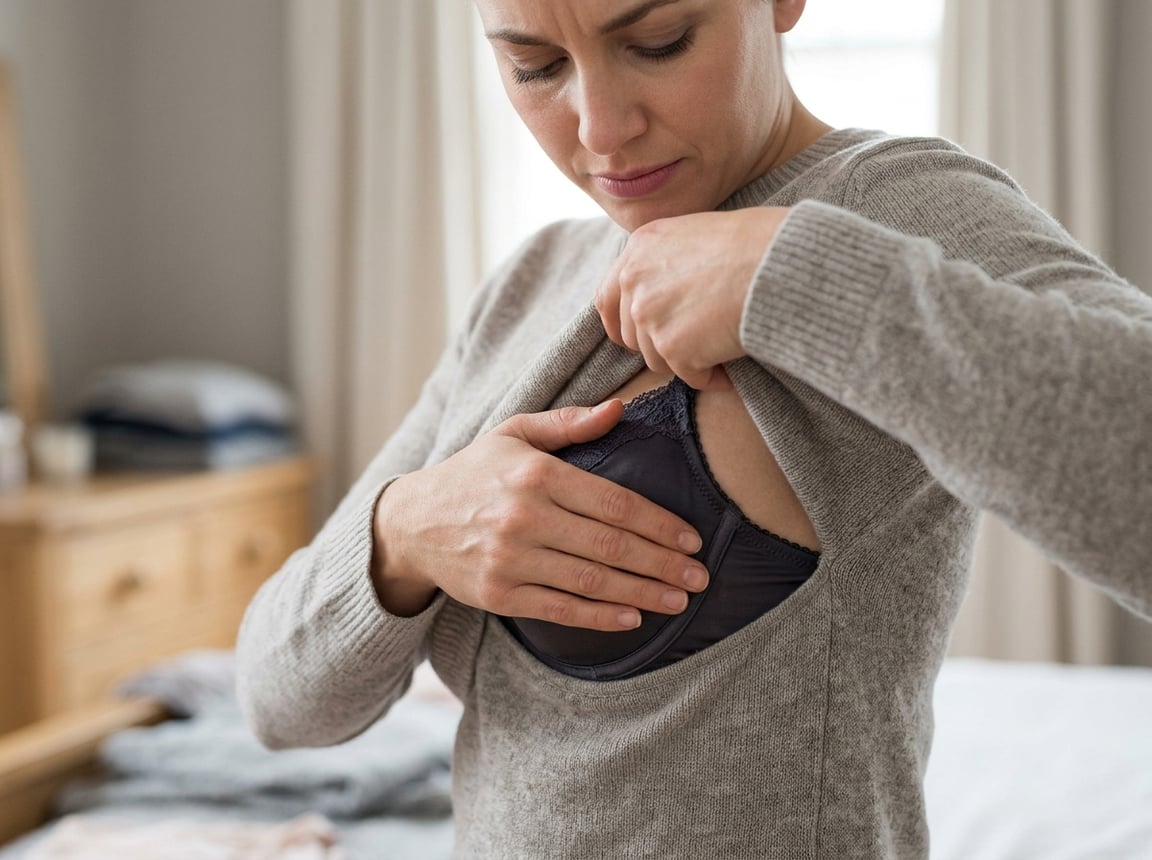
Most underwire pokes come from bad fit, fabric or wire breakdown, or just shoddy construction. Each messes with how the wire feels and how long you can actually wear the bra.
Bra Fit Problems and Sizing Mistakes
If the underwire’s sitting on breast tissue or jabbing your side, chances are the wire’s too narrow or the cup’s too small. That pushes the wire into soft spots and, well, you feel it.
Sometimes a too-tight band also warps the cup and forces the wire into your ribs or armpit. Make sure the wire goes all the way around your breast tissue, the gore lies flat, and the wings follow your ribcage. When you try on bras, scoop and swoop so all your breast tissue is inside; if you spill out, try a bigger cup or wider wire.
Wear and Tear Over Time
Wires poke because the fabric channels holding them stretch, tear, or fray. Washing, dryers, and everyday movement all chip away at the stitching and channel, letting the wire slide or poke through.
Look for exposed metal, holes, or a cup that’s lost its shape. Small repairs might buy you a little time sewing the channel or tucking the wire back in, but if the wire’s bent or the casing’s trashed, it’s probably time to let go. Hand-washing or using a mesh bag and air drying helps bras last longer.
Manufacturing Defects and Cheap Materials
Sometimes, a poking underwire is just bad luck, poor assembly, thin wires, or weak casing material. Cheaper wires bend more easily, and thin fabrics wear out fast, so even a well-fitted bra can start poking way sooner than you’d expect.
Always run your fingers along the wire channel before wearing a new bra. Feel for lumps, sharp edges, or weird stitching. Brands that use flexible welded wires and reinforced channels? Worth it. If a new bra pokes on day one, return it. That’s a defect, not your fault.
How to Deal with Underwire Pain and Irritation
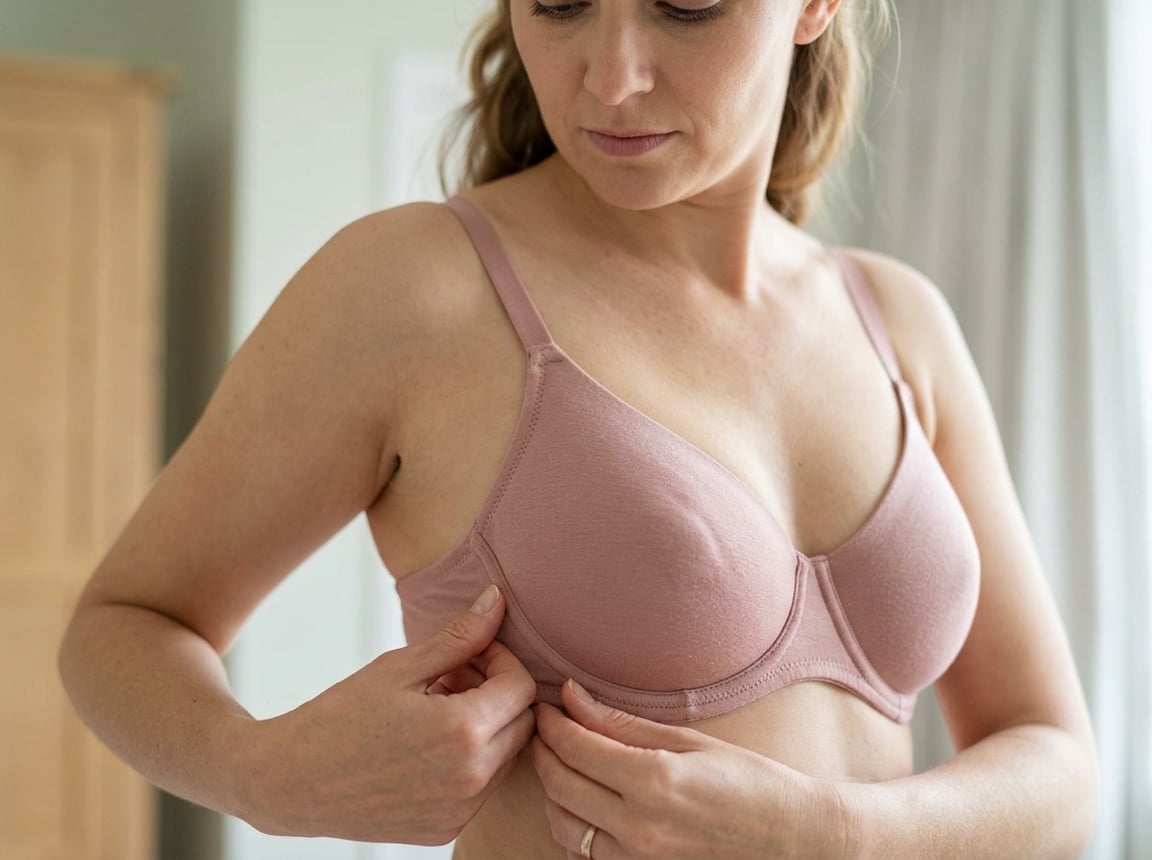
First, check your fit and try simple fixes. If that doesn’t cut it, go for short-term relief or swap styles until you find something that works.
Quick Solutions for Underwire Discomfort
If the underwire’s poking through or digging in, stop wearing the bra until you can check it out. Cover the exposed wire end with moleskin, a nipple cover, or medical tape just for one wear, not forever.
If the wire’s popped out, gently tuck it back into the channel and stitch it closed by hand. If you’re over it for the day, switch to a wireless or better-fitting bra. Don’t tough it out long-term, poking can mean chafing, bruises, or even broken skin, and that’s not worth it.
Relieving Underwire Irritation
For red marks or sore spots, a cold compress helps cut down swelling. Dab on a little petroleum jelly or a barrier cream to protect irritated skin.
Notice a pressure point? Try a bra with wider wires or softer fabric around the wire. Silicone gel pads over the wire can help, at least for a while. Don’t use alcohol on broken skin. If things get worse, like an infection, see a doctor.
Underwire Positioning Tips for Comfort
The underwire should wrap around your breast tissue, not sit on it. The band needs to be snug, not loose; otherwise, the wire will dig into your ribs or armpit.
Compare your wire width to your breast root width. Too narrow? Ouch. Too wide? It’ll jab your armpit. Try different gore heights and wire depths. A lower or shorter side wire can help if the underwire keeps hitting your armpit. Rotate styles and sizes as your body changes. Good fit and regular replacement mean less poking, period.
Fixing Underwire Problems and Bra Care Tips
Quick fixes can stop a poking wire and keep your bras going a bit longer. Regular checks, gentle washing, and small repairs really do help bras last.
DIY Fixes for Broken Underwire
If the wire’s poked through, push it back into the channel with needle-nose pliers. Trim any frayed fabric, then sew the hole closed with strong thread, using a whipstitch or backstitch, whichever you’re most comfortable with.
If the wire’s snapped or bent beyond repair, pull it out. Slip a bit of plastic tubing over the end to create a blunt tip, then sew the channel shut. For extra reinforcement, apply some clear nail polish or fray check on your stitches.
Need a quick fix? 90% of guides recommend using moleskin or duct tape to cover the sharp end of the wire before reinserting it. This can last for 1–4 weeks, giving you some time until you’re ready for a more permanent solution. Wrap the wire tip in duct tape or medical tape, tuck it back in, and stitch if you can. But if the cup’s misshapen or the elastic’s worn out, it’s probably time to replace it.
How to Maintain Underwire Bras
Hand-wash bras or use a lingerie bag on a gentle cycle. Cold water, mild detergent, and hooks fastened keep wires where they belong.
Always reshape the cups and lay bras flat to dry. Skip the dryer heat, which ruins elastic and warps channels, which means more pokes and less support.
Check your bras every month for holes, fraying, stretched elastic, or bent wires. Fix small stuff right away, stitch holes, reinforce seams so you’re not stuck with a wardrobe malfunction mid-day.
How to Prevent Bra Wear and Tear
Rotate your bras, don’t wear the same one every day. Three in rotation is a good minimum, so the elastic can recover.
Don’t yank on straps or hooks. Always fasten and unfasten at the back, not over your head, to avoid stretching out seams and channels.
Store bras with molded cups nested or flat, not folded. Keep them away from rough stuff that could snag fabric and make weak spots where wires break through.
Tips for Underwire Longevity
Get bras that fit wires that sit flat on your rib cage, not dig in. A good fit means less wire bending and fewer pokes.
Pick bras with sturdy channels: double-layer fabric or a little flap over the wire opening lasts longer. Polyester or nylon thread is better than cotton for stitching.
Traveling? Pack bras in a soft pouch or their own compartment so they don’t get crushed. Replace bras every 12–18 months if you wear them often, or sooner if you notice sagging, pokes, or stretched-out elastic.
When to Replace Your Bra
Look for ongoing fit fails, visible damage, and wires or fabric that just won’t behave. If you’re patching it over and over or it’s just not supporting you, it’s time for a new one. Don’t keep suffering, your comfort’s worth it.
Signs Your Bra Needs Replacing
Notice if a wire pokes through the casing, bends oddly, or splits the fabric. If the underwire keeps slipping out or you can feel the metal along the cup or side seam, that's a big red flag that the internal structure's just done.
Stretched or sagging cups? Loose elastic in the band? If the band rides up your back even when it's on the tightest hook, it's not doing its job anymore. Persistent discomfort like rubbing, bruising, or skin irritation from the wire means it's time to move on.
How old is your bra, and how often do you wash it? Most underwire bras last about 6 to 18 months with regular wear. If you wear it weekly and see these issues, honestly, it's probably time to let it go.
Risks of Wearing Damaged Underwire Bras
A broken or poking underwire can stab right through the lining and jab your skin, especially under your arm or along the breast crease. This can lead to cuts, blisters, or just constant irritation, and if left unchecked, it might even cause infection. Skin abrasions and red lines from rubbing are commonly reported as the primary complaints in ill-fitting bra studies.
If your bra's lost its support, your back and shoulders start picking up the slack. Over time, this can affect your posture and leave you feeling tired or achy. Plus, metal poking through can damage your clothes or even stain them if the wire rusts, yikes.
Quick fixes, like taping over a poking wire, might help for a day or two, but they're not a real solution. They're just a stopgap, so don’t rely on them for too long.
Choosing the Right Replacement Bra
Grab a soft tape measure and check your band and cup size while wearing a non-padded bra. Try on different sizes in-store, or order a few online, aim for the band to fit on the middle hook, and make sure the underwire actually circles your breast without digging in or sitting too low.
Pick a wire depth and side height that match your torso and breast shape. If the wire always pokes your armpit, look for styles with a shorter wire or a lower side seam. For bras you wear all the time, I'd go for one with reinforced channeling and quality elastic; it'll last a lot longer.
Materials and construction matter: wider bands offer more support, molded cups help with shape, and rust-resistant wires are great if you hand-wash often. Keep at least one backup bra ready so you can swap out any underwire bra as soon as it starts to fail.
Bra Underwire Problems: Frequently Asked Questions
Wondering why wires poke, how to spot damage, or what quick fixes actually work? Here you'll find practical steps you can use right away.
What usually causes bra underwire to poke through the fabric?
Underwires poke through when the fabric channel frays or the stitching gives out, so the metal starts pressing against the lining. Machine washing and twisting bras in the laundry really speed up this kind of wear.
If the wire bends or breaks, it creates a sharp end that pushes through weak seams. A poor fit puts extra pressure on the underwire, making the fabric wear out even faster.
How can I tell if the underwire is broken, bent, or just out of place?
If the wire feels shorter, has a sharp end, or you notice a gap where the wire should be smooth, it's probably broken. A bent wire will mess with the cup shape and sit unevenly around your breast.
If the wire moves but everything else looks okay, it's likely just out of place. The wire won't match the cup's curve and might shift toward your armpit or the center. Compare both cups; if they're not the same, something's off.
What quick at-home fixes can stop an underwire from digging in or poking out?
If a wire's poking out, push it back into the channel and hand-stitch the seam with small stitches to close it up. You can also use a dab of fabric glue, clear nail polish, or wrap a bit of medical tape around a frayed end for a temporary fix.
For a bent wire that's not broken, try gently reshaping it with pliers wrapped in cloth, then slide it back in. If sewing isn't your thing, stick a thin piece of moleskin or an adhesive pad over the spot inside the cup to cushion the wire against your skin.
Can an incorrect bra size or fit cause underwire poke, and how do I check my fit?
Absolutely. A too-small cup squishes breast tissue against the wire and can warp it, while a too-big band lets the bra shift, pushing the wire into your armpit. Both can lead to more rubbing and faster seam wear.
Check that the underwire actually circles your breast and sits flat against your ribcage. The center gore should rest on your sternum, the band should fit snug on the loosest hook, and the straps shouldn't be doing all the heavy lifting.
Is it safe to repair an underwire that has pierced the channel, or should I replace the bra?
Minor channel punctures can be fixed by tucking the wire back in and resewing the seam, as long as the wire and fabric are still strong. Tape or glue works for a quick fix, but don't expect it to last.
If the wire's broken, the channel is badly torn, or repairs never seem to hold, it's time to replace the bra. A sharp wire, even after a repair, can still hurt you or ruin your clothes, so don't risk it.
How to Tell When Your Bra Is Too Worn Out to Fix
If the underwire has snapped right in half, that's a clear sign it's time to let go. The same goes if the channel is so ripped up that the wire pokes out, no matter what you do.
When the cups and band have lost their stretch across most of the bra, repairs probably won’t cut it. Multiple fixes that never seem to last, or that annoying poking feeling that keeps coming back, usually mean the whole structure’s shot.
It's also a good idea to swap out bras if the hooks or straps keep breaking. If you notice persistent smells or stains that just won’t wash out, that’s another red flag.
Honestly, wearing a bra that’s lost its shape or support isn’t just uncomfortable; it can actually irritate your skin. Why risk it?
Conclusion
In conclusion, the issue of underwire poking can often be attributed to poor fit, wear and tear, or incorrect bra choice. Ensuring that your bra is the right size and fits properly can prevent the underwire from causing discomfort. Regularly replacing bras when the underwire starts to shift, or break can also improve the overall comfort and longevity of your bras.
To fix this issue, first check if your bra size is correct, as an ill-fitting bra often leads to underwire problems. It’s essential to adjust the straps and band so they are not too tight or loose, as this can cause uneven pressure. Additionally, paying attention to fabric quality and the style of underwire can also help in finding a more comfortable fit.
Lastly, if the underwire is damaged, it’s best to replace the bra or carefully repair it to avoid further discomfort. For those with sensitive skin, opting for bras with softer, flexible underwires or wire-free options might be a good alternative. A few adjustments can make a significant difference in comfort and support, preventing the poking issue in the future.